Giving voice to all communities
Watch CBS News
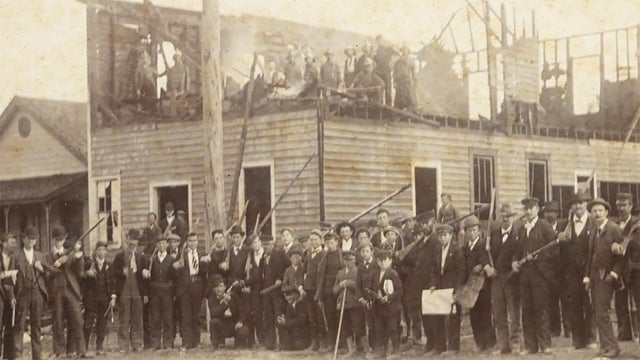
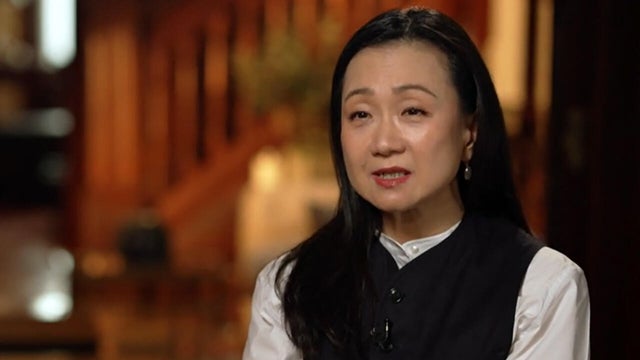
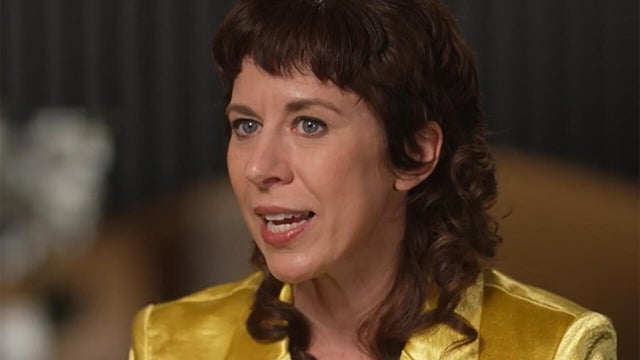
In 1898, Wilmington, N.C., was a prosperous integrated city, where Black and white North Carolinians shared political power and leadership positions. But white supremacists took back control of the city's multi-racial government at gunpoint, and launched a wave of violence that killed scores of Black residents. That little-known history is the subject of The New Yorker journalist Lauren Collins' new book, "They Stole a City." She talks with Lee Cowan about her hometown's darkest chapter – the only successful coup in our nation's history.
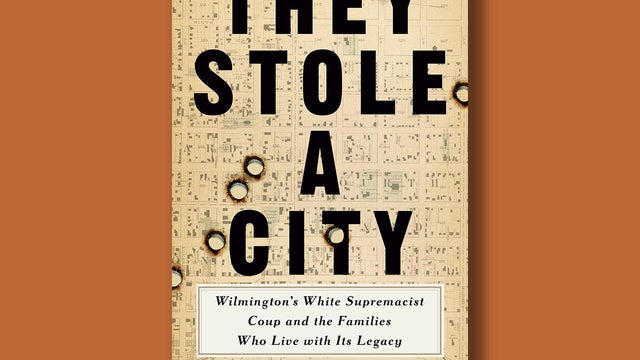
The New Yorker writer's new book examines how, in 1898, white supremacists staged a coup against Wilmington, N.C.'s multi-racial government – a case study in the sabotage of American democracy.

Eric Dillon thought the pain in his shoulder was a minor injury. It took two years to get the real answer.
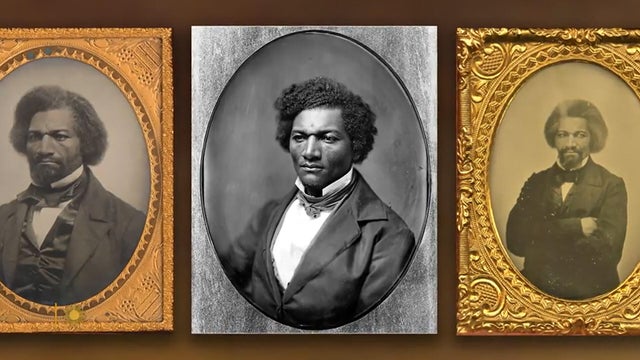
Frederick Douglass, who was born into slavery and became an influential orator, writer and intellectual, was the most photographed person in America in the 19th century. Nancy Giles explores how Douglass used the early photographic medium to promote the cause of abolition.
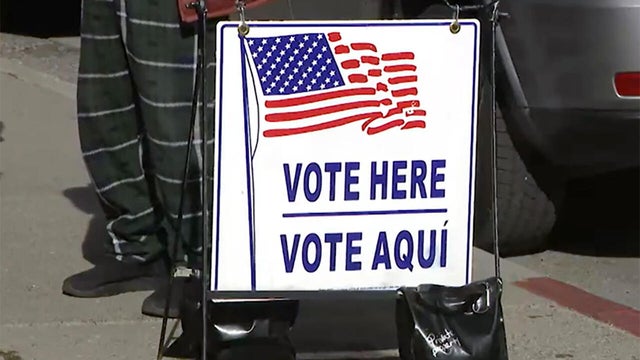
The Supreme Court has ruled that, under the Voting Rights Act, Congressional districts can no longer be drawn along racial lines, but can be shaped by partisan aims. The result: A dash to re-draw voting districts in several states. What does this portend for democracy?
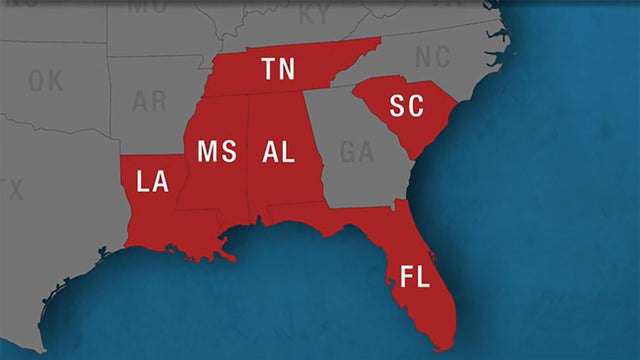
In 1965, President Johnson signed the Voting Rights Act, a momentous piece of civil rights legislation that broke down barriers facing Black voters. Last month, the U.S. Supreme Court ruled that voting districts can no longer be drawn along racial lines, but could be shaped by partisan aims. The result: a dash to re-draw voting districts in several states. "Sunday Morning" national correspondent Robert Costa talks with key voices about what the Court's ruling portends for democracy.
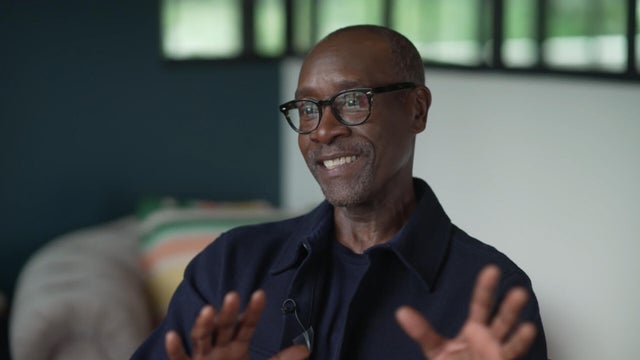
Oscar-nominated actor Don Cheadle has appeared in more than 100 films and TV shows. But it had been a quarter-century since he appeared on stage in the Off-Broadway hit "Topdog/Underdog," until he made his Broadway debut this spring in a revival of "Proof." In this web exclusive, he talks with Tracy Smith about the lessons of his parents; catching the "theater bug" as a child; the "hamster wheel" of an actor's career; and his emotional investment in works like "Hotel Rwanda."
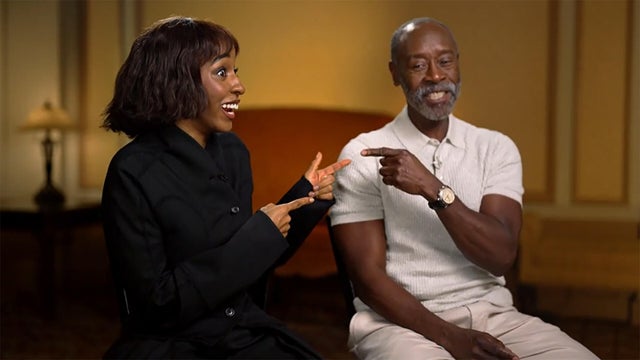
In this web exclusive, actors Ayo Edebiri ("The Bear") and Don Cheadle ("Hotel Rwanda") talk with Tracy Smith about making their Broadway debuts in the revival of "Proof." They also discuss their love of live theater, and the early roles that inspired their passion for acting.
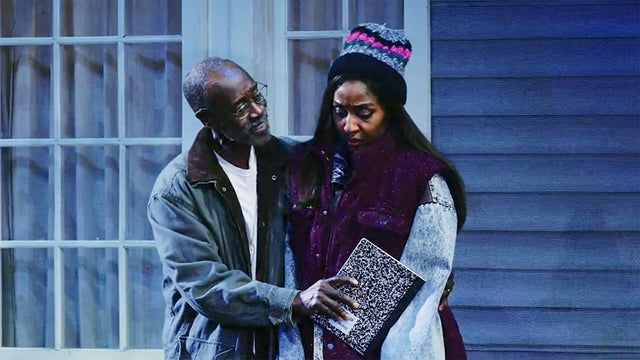
Celebrated actors Don Cheadle and Ayo Edebiri are both making their Broadway debuts in a revival of David Auburn's Tony- and Pulitzer Prize-winner "Proof," about a brilliant mathematics professor with mental-health issues, and his daughter with issues of her own. Cheadle and Edebiri talk with Tracy Smith about exploring the dynamics of a parent-child relationship, and how their off-stage relationship helps them on-stage.
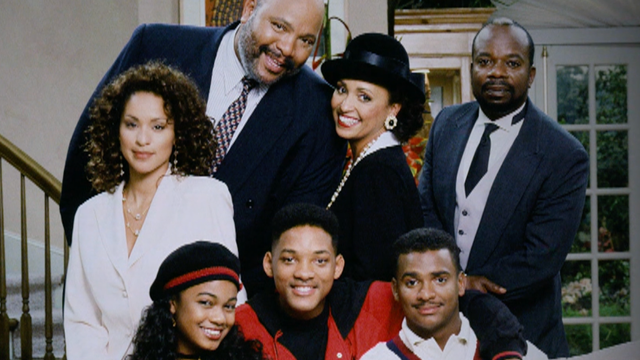
Long before 1990s sitcoms, Black comedians were shaping American comedy in bold ways. Geoff Bennett, co-anchor of PBS NewsHour, explores this history and its lasting impact in his new book "Black Out Loud."