Maryland Farm Bureau asks commission to stop controversial power line project
The Maryland Farm Bureau is asking for the Public Service Commission to pull the plug on a controversial power line project in three Maryland counties.
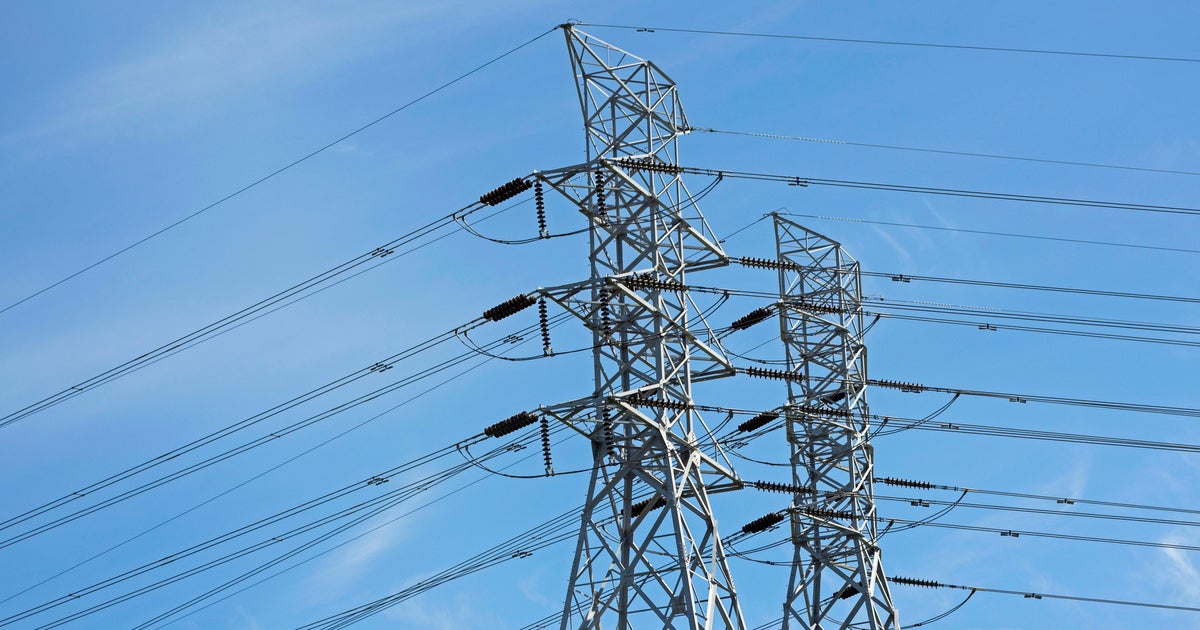
The Maryland Piedmont Reliability Project seeks to run 70 miles of overhead transmission lines through Baltimore, Carroll, and Frederick counties.
The Farm Bureau's new motion to dismiss developer PSEG's application for the project says PSEG insisted the project needed to be in service by June 2027.
PSEG admits that the schedule of procedures and reviews means it cannot meet that goal.
The Bureau's filing says in part, "That admission makes clear the application is not merely incomplete, it is no longer viable."
"Back in 2024, we warned that the MPRP project's unrealistic timeline threatens to take productive farmland out of use," the Farm Bureau said in a statement. "We urge PSC to dismiss this case and collaborate with farmers, landowners, elected officials, and stakeholders to advance energy projects that do not jeopardize Maryland's finite farmland."
PJM Interconnection, which operates the power grid in several northeastern states, says that without the project, the region could face blackouts and voltage collapse by June 2027.
Procedural schedule for review set
In October, the Maryland Public Service Commission set a procedural schedule for reviewing the Piedmont Reliability Project.
The state regulators of the project approved a timeline that extends beyond what developer PSEG requested.
PSEG asked the commission to issue a decision by March 31, 2026, so it could finish construction and have the line in service by June 1, 2027.
Instead, the commission's schedule pushes final briefs to February 2027, giving regulators more time to examine the project's potential impact on the electric system.
Fight over access to properties
Last April, PSEG submitted a court filing that would grant surveyors access to properties. Some residents fought back and filed a court appeal.
In June, however, a federal judge granted PSEG access to 91 properties to conduct surveys in a preliminary injunction. In July, the company filed another motion seeking access to 200 more properties, stating that surveys must be completed before construction can begin.
Residents' concerns
Residents who are in the path of the powerline project have expressed concerns and anger about potential negative environmental impacts and how the transmission lines may impede personal property.
Some residents said the powerlines would cut through family-owned farms.
A Carroll County youth camp and outdoor education center told WJZ that the project would jeopardize the camp experience that they provide to guests, since the transmission line would go through their property.
Earlier this year, Janet Stratton, a Hereford resident, was concerned because her farm, which has been passed down for six generations, is in the path of the proposed transmission line.
"I realized my childhood dream 30 years ago," Stratton said. "To have it taken away would be devastating."
The Chesapeake Bay Foundation (CBF) said the project poses risks to the bay's habitat and water quality.
The CBF found that the project has the potential to damage protected forests, nutrient-rich wetlands, and sources of clean water.
Project status and timeline
In September, Maryland regulators set a procedural schedule for reviewing the Piedmont Reliability Project.
Under the approved schedule, PSEG must file an updated analysis and field studies by March 2, 2026.
Public hearings on the project began in September and will continue through December.
The process concludes with final briefs due Feb. 12, 2027. PSEG may also submit an updated analysis from PJM, the regional grid operator, as part of its March 2026 filing.