VLADIMIR DUTHIERS:
00:00:00
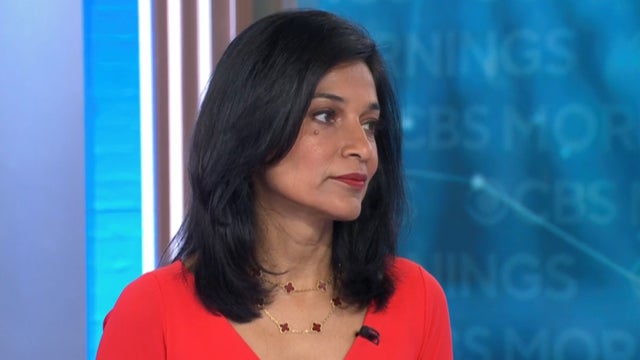
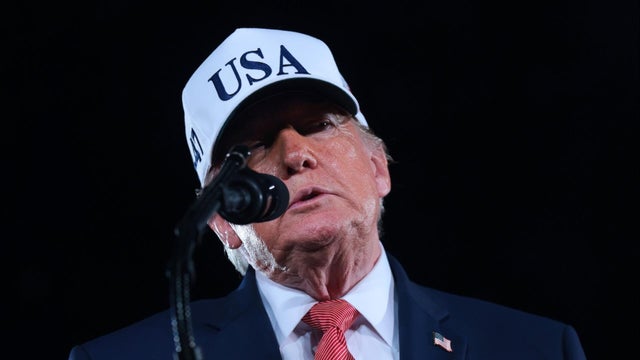
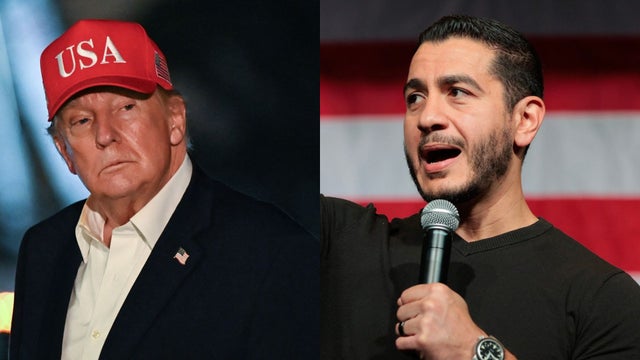
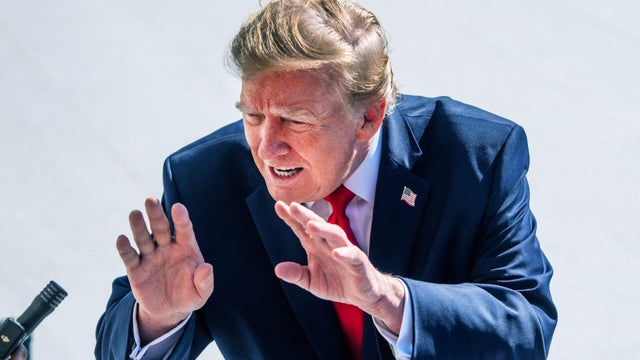
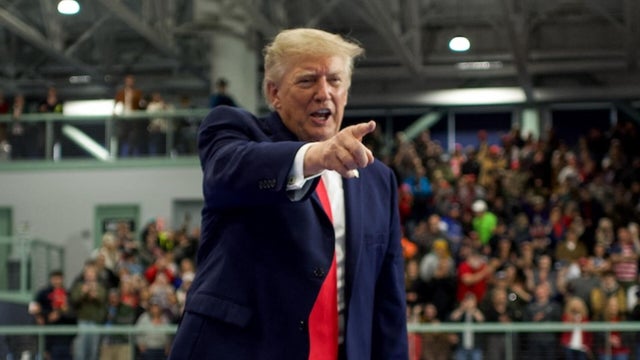
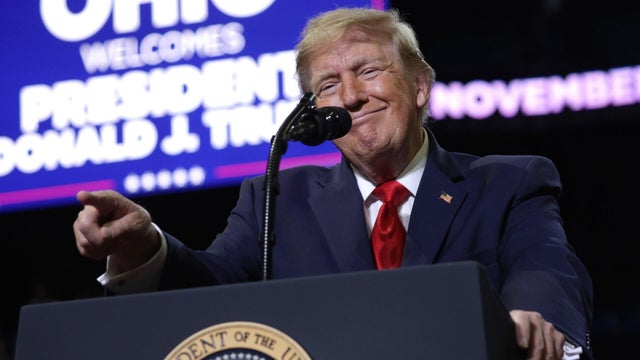
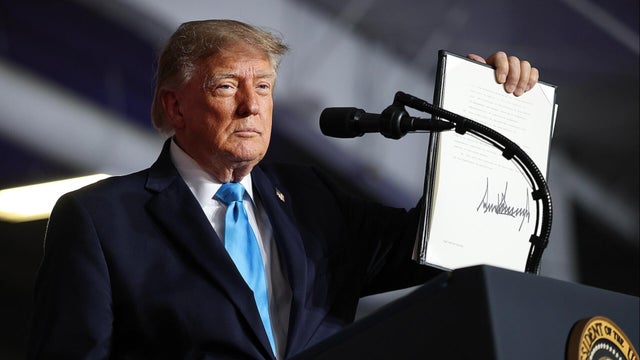
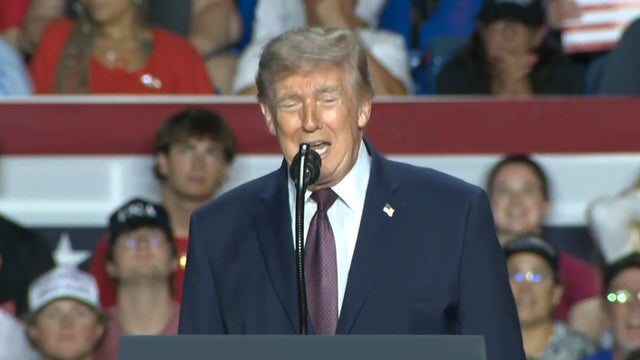
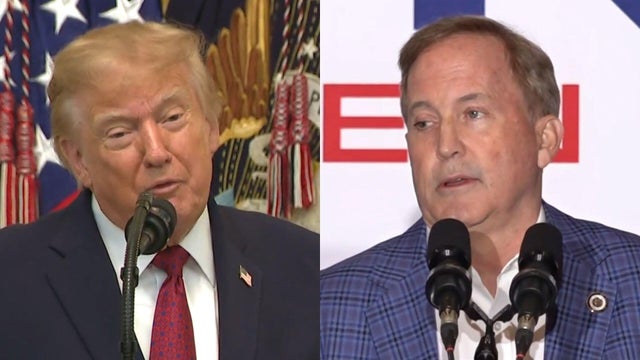
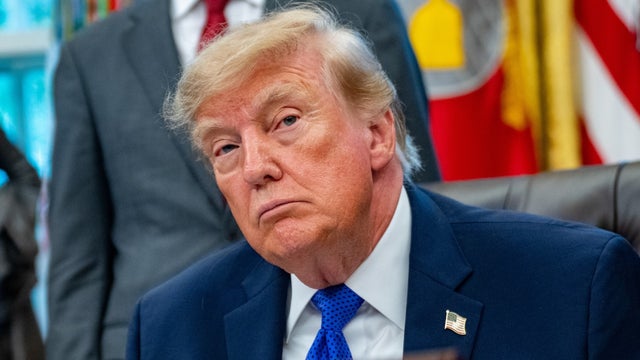
President Trump says he wants to cap credit card interest rates at 10% for a year. He says he wants it done by January 20th. But can he do that, and what would it mean? CBS News Business Analyst Jill Schlesinger is here to break it down. Good Morning, Jill. Good to see you. Good to be here. So does the president have the legal power to do this? And what are the average credit card interest rates for consumers at the moment? OK, so we're not sure he actually can do this by fiat. It looks like it has to be congressional action. There have been some bipartisan efforts, actually, that have been brewing over the last year or so to try to make this happen. They've stalled out. Maybe with a president's push, they can get them revived again. So we'll have to see. Right now, the average credit card interest rate that you pay if you're carrying a balance is 20%.

GAYLE KING:
00:00:41
Wow.
JILL SCHLESINGER:
00:00:42
So that is a massive amount. And people have been struggling with those high interest rates for some time.
GAYLE KING:
00:00:47
I remember when it was 17%, and I thought that was high. So what would it mean if it was capped at 10%?
JILL SCHLESINGER:
00:00:52
Well, first of all, what we don't know is whether the president is saying 10% on anything new you charge or 10% on the whole balance you're carrying. But let's presume it's the whole balance. Just think about this. Most people, they carry about $6,500 is the average balance. I'm going to try to make the math a little bit easier for you this morning. If you had a $5,000 balance, and you were saying you had 24% interest, because 20% is the average, so we'll use 24%, you're paying a lot of your payment towards interest itself, $100 a month. If we slapped a 10% cap on that, it would reduce the amount of interest to $41 a month. And guess what. That saves you about $700 a year in interest. So it is unambiguously a great thing for consumers. The question is, how long would it last? And if it's only one year, would you really get out of the hole after that one year reprieve is up? So the president is pressuring the Federal Reserve to lower interest rates. Would that translate into lower interest rates on credit cards? Well, it does, actually, because the Federal Reserve controls short-term interest rates, and those do translate to credit card interest rates that are charged. Of course, when the Fed goes down, say, by a quarter of a percentage point, the credit card companies, they don't go down by a quarter of a percentage point, exactly. Some fraction of that. And I think that what's also important is the Fed is trying to balance that help for consumers with the fact that when you have lower interest rates, it boosts economic growth and it can create inflation.

NATE BURLESON:
00:02:25
All right, Jill Schlesinger, thank you so much.