JILL SCHLESINGER:
00:00:29
Great to be with you. - The White House was preparing everyone all week that these numbers might be bad. They weren't. Tell us about them and why.

JILL SCHLESINGER:
00:00:37
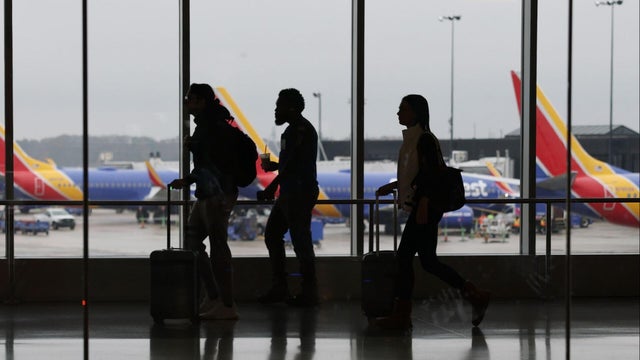
Well, it was really important that economists wanted to set the bar low because we had no idea. Because these surveys are taken in the first couple of weeks of every month, that could mean that we're going to see really weird numbers because of the variant. You know what happened? The labor market stomped on Macron. This was like an unbelievably better than expected as you said 467,000 jobs created. I saw estimates for 400,000 loss of jobs. - Wow. - And I think there was really great was that there was broad based hiring we were worried that we would see leisure and hospitality and bars and restaurants really feel the brunt of this. They added 151,000 jobs. Professional and business services adding jobs. Retail adding jobs. So it was a very good report. - This report also looked back to 2021. What stuck out most for you there?
JILL SCHLESINGER:
00:01:27
I think that we should never get too excited on the good side and too worried on the downside. So we have these revisions that come out once a year, these benchmark revisions. If we look at last summer, that's when we thought, oh, we've got a couple million jobs each month in June and July. Those numbers were taken down. But consequently, at the end of the year, when we were really worried, I came on the air, I said, Oh, my God, there were weak reports in November and December. Those were revised up. Net, net, a couple of 100,000 jobs added for the total year. 550,000 jobs on average every month. It was a wildly strong year. - We've also had concern through the COVID pandemic that we were seeing a shrinkage in the labor market. What have we learned?
JLL SCHLESINGER:
00:02:10
Well, with these revisions we saw that the labor force participation is higher than we thought. And in fact, we're at a rate that's just below where we were pre-COVID. We're not all the way there, but a lot of the shrinking of the labor force has to do with retirements, and those were happening before COVID. And we now know that there are a lot of people who are over the age of 65 who said, I'm not going back in, it's too dangerous. That's OK. We do want to see the younger people come back in the labor force and that is starting to happen. - On the other side of shrinkage is inflation, which has been a big concern for the past year or more. There's a new report coming out this Thursday what are you expecting?

JILL SCHLESINGER:
00:02:49
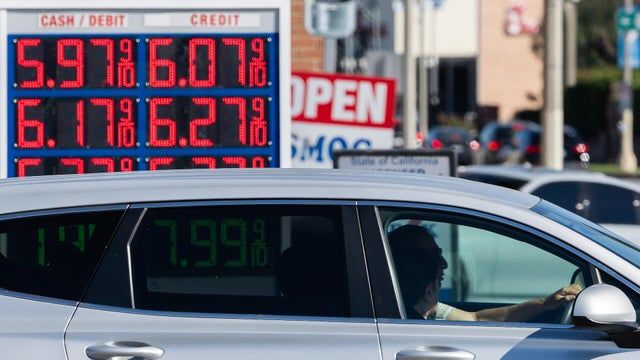
Well, we know that as of December, price up 7% from a year ago. And I don't think that-- - That's a lot.
JILL SCHLESINGER:
00:02:58
And I'm not sure it's going to slow down. It could be higher than that. I think we're going to see high inflation for the next few months. Now, the actual supply chain issues are frankly starting to ease up just a touch. So the second half of the year should be better. But when you look at wages in this jobs report being up 5.7%, you've got to sort of say to yourself, but wait, we have inflation at 7% higher. So a lot of people are still falling behind when we factor in prices. - So just kind of like, hold steady sounds like.
JILL SCHLESINGER:
00:03:29
No. If you are not getting a raise at your job, go look for another one. Because all the evidence points to the fact that people do get more money when they leave their place of employment. That said, maybe you go to your boss, you want flexibility, you want some different hours, that could be important to you. But I just want to be clear, this is a tight labor market. Workers have leverage we need you guys to all use that leverage. - All right, great point. Jill Schlesinger, thank you.