Iran war grinds on with Pentagon expected to send more troops to Middle East
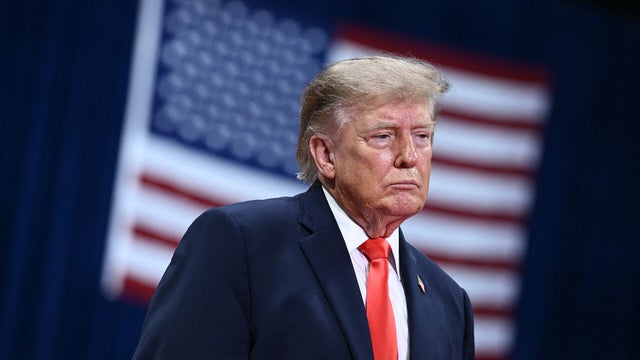
President Trump said several members of his administration were involved in talks with Iran about the ongoing war.
Watch CBS News
President Trump said several members of his administration were involved in talks with Iran about the ongoing war.
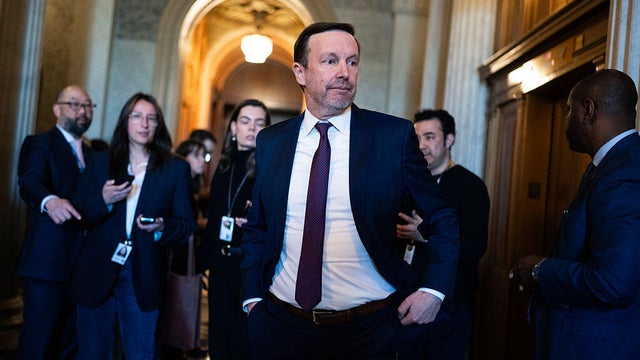
Democrats have vowed to keep forcing votes on the issue as they seek public testimony from administration officials.
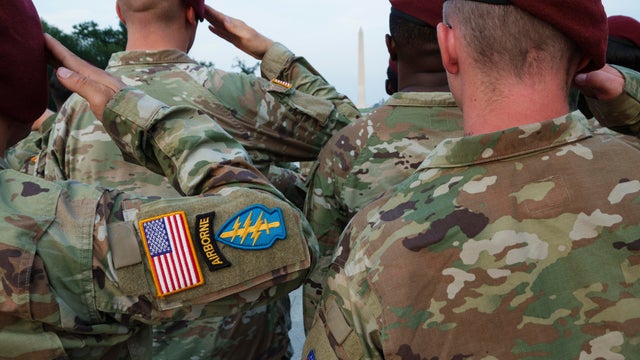
A command element and some ground forces are expected to be part of the Middle East deployment, according to a source familiar with the planning.
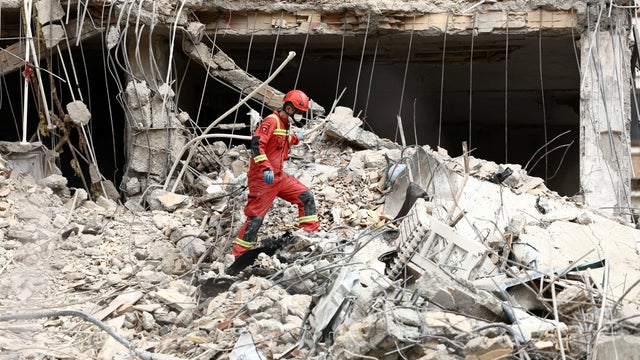
As Iran threatens to mine the entire Persian Gulf, President Trump said his deadline for the Strait of Hormuz to reopen is postponed amid negotiations with Tehran.

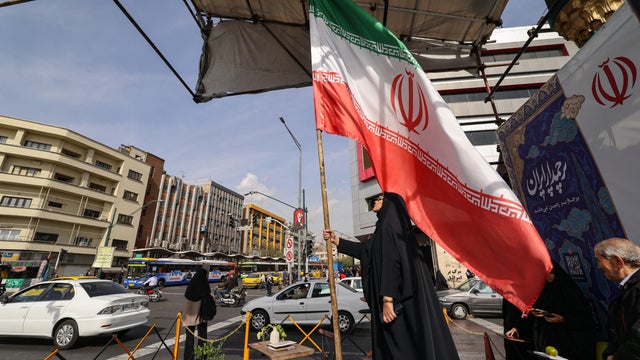
Iranian state media said there was no "direct or indirect communication" with President Trump, but a senior Iranian official later indicated they'd received communication from a mediator.

Iran has received a message from the U.S. through mediators as a potential precursor to talks between the two warring countries, a senior Iranian Foreign Ministry official told CBS News, after President Trump suggested a deal is possible.
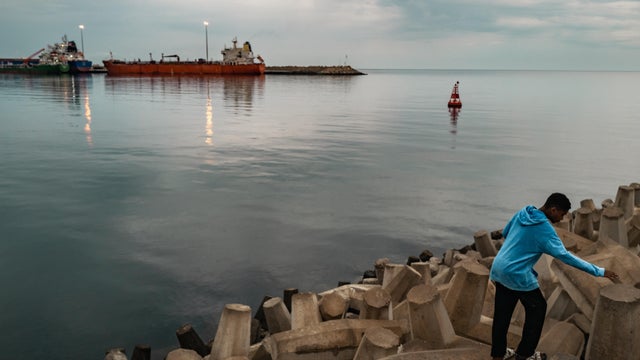
U.S. officials say assessments show at least a dozen Iranian mines in the Strait of Hormuz as President Trump backs off his threat to target Iran's energy infrastructure over claims of productive peace talks
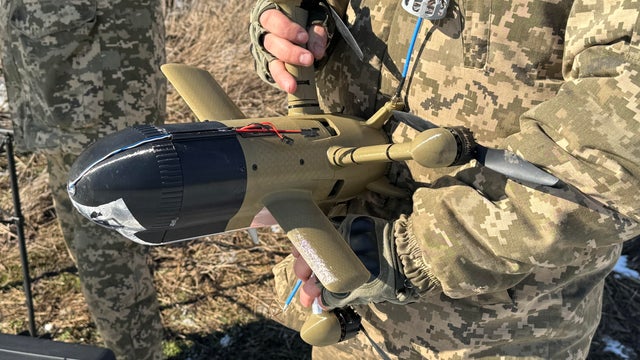
Trump says aid for Ukraine depleted U.S. weapons stockpiles, but as the Iran war takes that mantle, Kyiv eyes opportunities to build long-term defense partnerships.
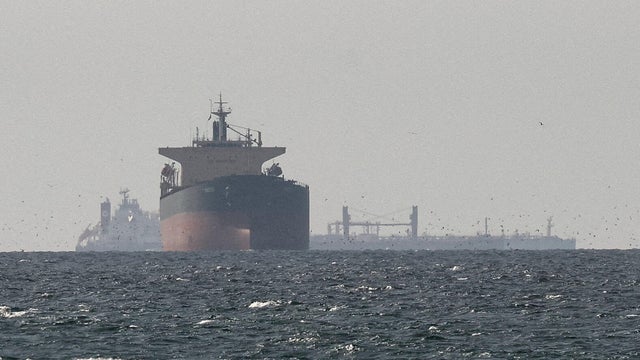
The president threatened to "obliterate" Iranian power plants if Iran didn't reopen the Strait of Hormuz by late Monday night Eastern Daylight Time.
Most Republicans, especially MAGA, continue to support the US action and express a lot of confidence in Trump personally.

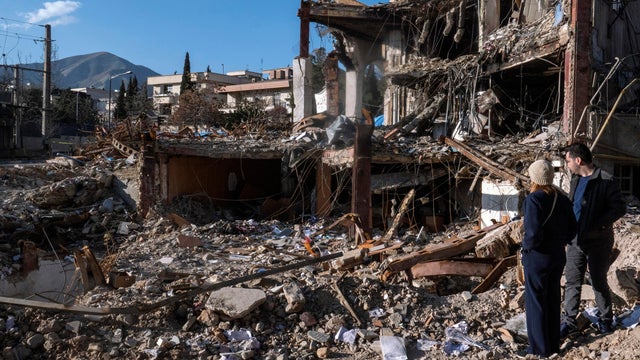
Iran struck two communities near Israel's main nuclear research center late Saturday, leaving more than 100 people wounded in the southern part of the country.

Ambassador to the United Nations Mike Waltz said "we are seeing our allies come around as they should," as Iran threatens shipping in the Strait of Hormuz.

As the war with Iran enters its fourth week, much of its stockpile of enriched uranium is believed to lie buried deep inside the Isfahan Mountain complex. CBS News national security correspondent David Martin talks with physicist David Albright, president of the Institute for Science and International Security, about the risks of seizing that near-weapon grade material.

The Trump administration has been strategizing methods and options to secure or extract Iran's nuclear materials, according to multiple sources, as the military campaign against Tehran enters a more uncertain phase.

The U.S. Treasury has authorized the purchase of Iranian oil that's already at sea, exempting buyers from the tight sanctions that have restricted Iran's oil industry for years, as the Trump administration grapples with high oil prices.

Transcript: Siamak Namazi, Emad Shargi, Roger Carstens, Neda Sharghi on "Face the Nation with Margaret Brennan," March 22, 2026

With gas closing in on $4 a gallon, the Trump administration is pulling multiple levers to tame energy prices. The results have been mixed.
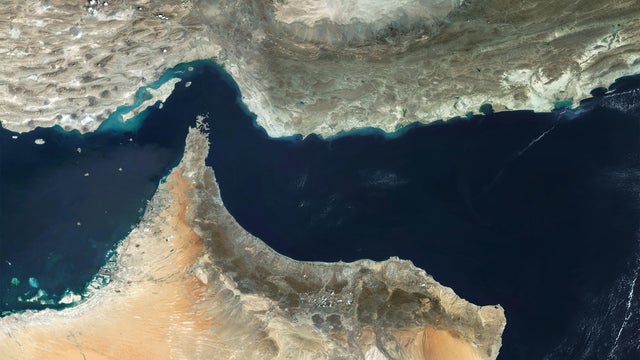
Plunging oil shipments transiting the Strait of Hormuz have sent global energy prices soaring to their highest level in years.

It is unclear under what circumstances President Trump would authorize the use of U.S. troops on the ground in Iran.

The announcement comes as NATO faces criticism from President Trump, who's seeking military assistance in securing the key Strait of Hormuz.

The United Nations' top nuclear watchdog, IAEA Director-General Rafael Grossi, told CBS News that Iran still has the technical ability to restart its nuclear program, even though U.S. military strikes dented the program.
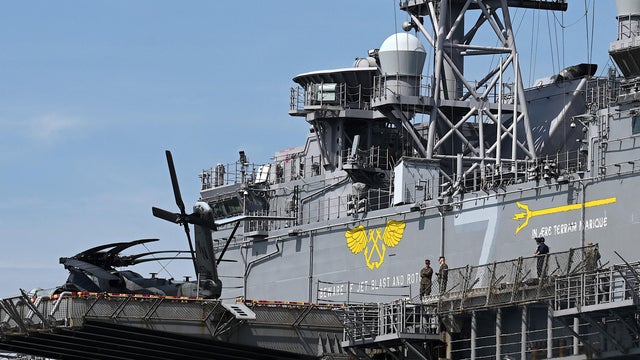
The first Marine Expeditionary Unit, which is coming from the Pacific, is still making its way toward the region.

As the Iran war rages, Israel continues killing senior Iranian figures. CBS News asked experts how they do it.
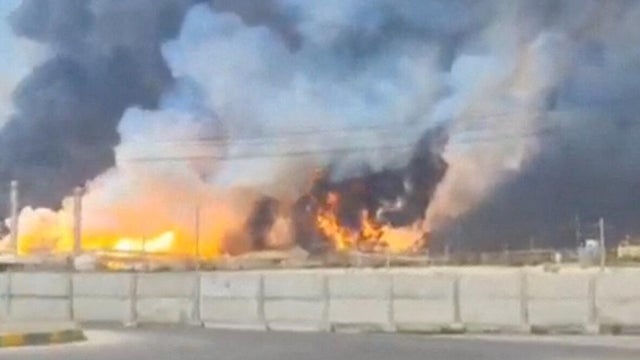
As Iran retaliates for an Israeli strike on the South Pars gas field, one analyst warns the war is "now hitting the plumbing of the global energy system."

Domestic energy companies could benefit from high oil prices in the short-term, but take a hit if the Iran war drags on.