What ID do you need to vote in Texas for the 2026 midterm elections?
Texas voters heading to the polls for the November 2026 midterm elections generally must present an approved photo identification. Voters who do not have an acceptable photo ID may be able to cast a ballot using an alternative document and, in some cases, sign a Reasonable Impediment Declaration.
Which IDs are accepted in Texas?
Texas election officials accept seven forms of photo identification for in-person voting, provided the document meets the applicable requirements.
Accepted IDs:
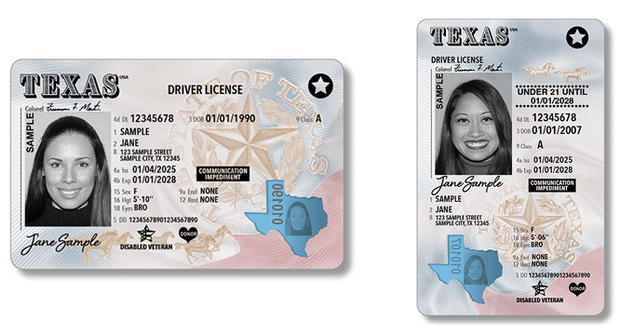
- Texas driver's license issued by the Texas Department of Public Safety
- Texas Election Identification Certificate (EIC)
- Texas personal identification card issued by Texas DPS
- Texas handgun license
- U.S. military identification card containing the voter's photograph
- U.S. citizenship certificate containing the voter's photograph
- U.S. passport, including a U.S. passport book or card
Voters should bring one of these documents to the polling place. A voter registration certificate alone is not one of the seven approved photo IDs.
What happens if you don't have an approved photo ID?
Voters who do not have one of the approved photo IDs and cannot reasonably obtain one may use an alternative procedure at the polling place.
They must present an original or a copy of an approved supporting document and complete a Reasonable Impediment Declaration. Eligible voters who follow this process can generally cast a regular ballot.
Accepted supporting documents include:
- Current utility bill
- Bank statement
- Government check
- Paycheck
- Government document showing the voter's name and address, including a voter registration certificate
- Certified U.S. birth certificate or another qualifying document establishing identity and confirming birth
What is a Reasonable Impediment Declaration?
A Reasonable Impediment Declaration (RID) is a form that allows eligible voters without an approved photo ID to explain why they cannot reasonably obtain one.
The voter completes and signs the form at the polling place and presents an approved supporting document. Election officials cannot question the reasonableness of the voter's stated impediment.
Reasons listed by the state include:
- Lack of transportation
- Disability or illness
- Missing documents needed to obtain an approved photo ID
- Work schedule or family responsibilities
- Lost or stolen identification
- An approved photo ID application that has not yet been fulfilled
- Voters have to meet the eligibility requirements and provide approved supporting documents
What if you left your ID at home?
The alternative declaration is intended for voters who cannot reasonably obtain an approved photo ID, not those who forgot or lost their ID. Voters who forget their ID may return with it before polls close or cast a provisional ballot and follow the required verification process.
There is a six-day verification deadline. The voter generally has six calendar days after election day to present acceptable identification to the county voter registrar or complete another applicable statutory procedure for the ballot to be counted.
Can I vote with an expired ID?
Texas allows certain expired photo IDs to be used, depending on the voter's age.
Ages 18–69: An approved photo ID may be expired for up to four years before the date it is presented for voter qualification.
Age 70 and older: An approved photo ID may be expired for any period, provided it is otherwise valid.
U.S. citizenship certificate: The standard expiration limits do not apply to this document.
Voters between 18 and 69 whose approved photo ID has been expired for more than four years may need to use the alternative identification procedure if they cannot reasonably obtain an acceptable photo ID.
Voters should check their eligibility before election day.
Does the address or name have to match voter registration?
The address on an approved photo ID or supporting document does not have to match the address in the state's voter registration records. A different address alone is not a reason to reject an otherwise acceptable identification document.
The voter's name does not necessarily have to be an exact match.
Texas allows election officials to assess whether the name on the identification is substantially similar to the name on the voter registration record. If so, the voter may generally proceed after signing an affidavit confirming they are the person listed on the registration record. If the names cannot be matched under the applicable rules, further verification or a provisional ballot may be necessary.
Voters who have changed their names should bring their identification and be prepared to follow the poll worker's instructions.
Check the Texas Secretary of State's official guidance for the latest requirements before voting.


