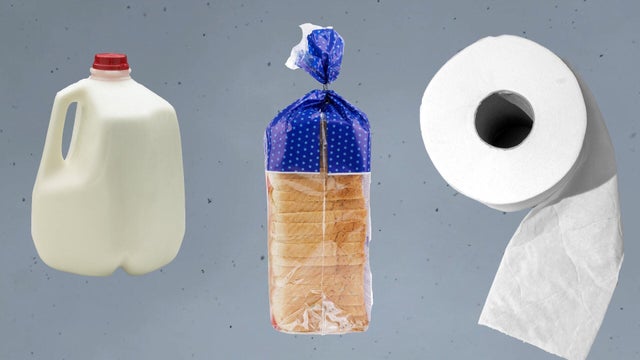
Hey Ray: Milk, bread, toilet paper, and snow storms
Every time snow is in the forecast, three magic words are uttered somewhere in western Pennsylvania!
Watch CBS News

Every time snow is in the forecast, three magic words are uttered somewhere in western Pennsylvania!
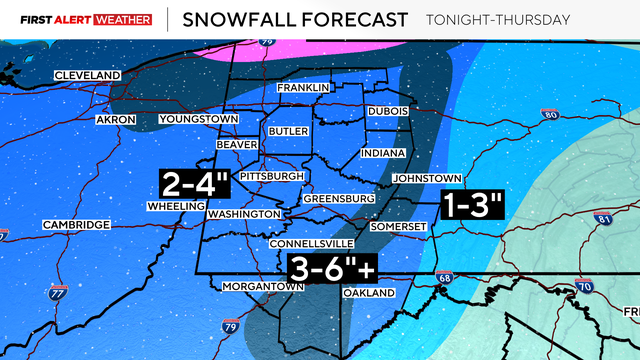
A map shows how much snow the Pittsburgh area is expected to get on New Year's Eve.
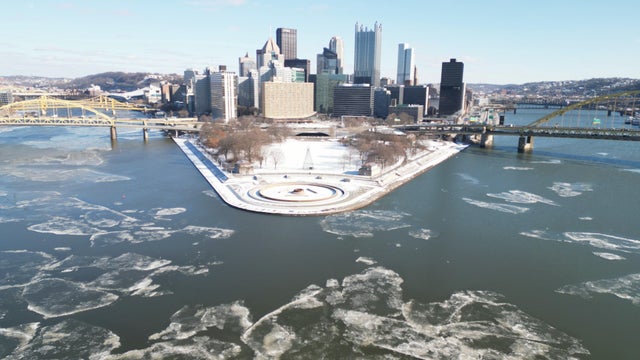
A White Christmas is nice, but in Pittsburgh, the weather is much more interesting on December 25.
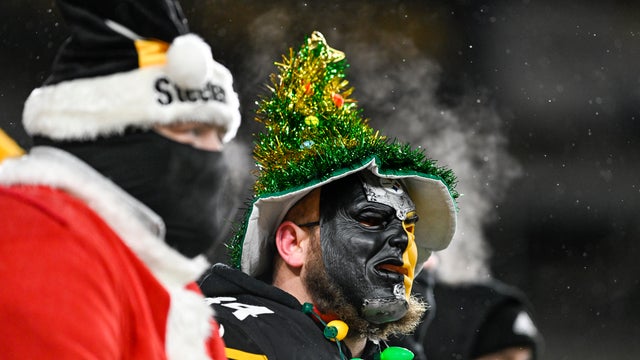
Here's a breakdown of how cold it was for Monday's Steelers-Dolphins game at Acrisure Stadium in Pittsburgh, Pennsylvania.
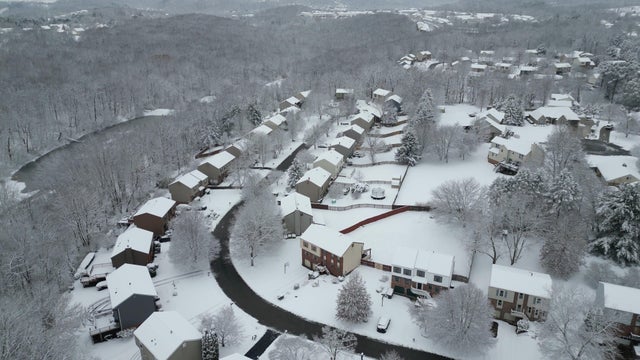
People always love to brag about how much snow they used to get back in the day, but who really has the bragging rights in Pittsburgh?

The National Weather Service said that total snow accumulations for the Pittsburgh area could be between 2 and 5 inches.
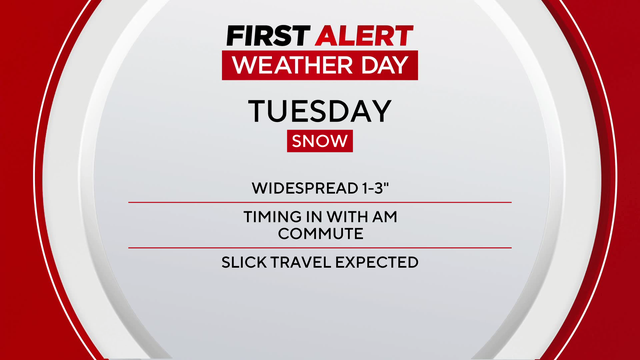
Sunday and Monday will be cool and mostly dry, but snow showers are on the horizon starting on Tuesday in Pittsburgh.
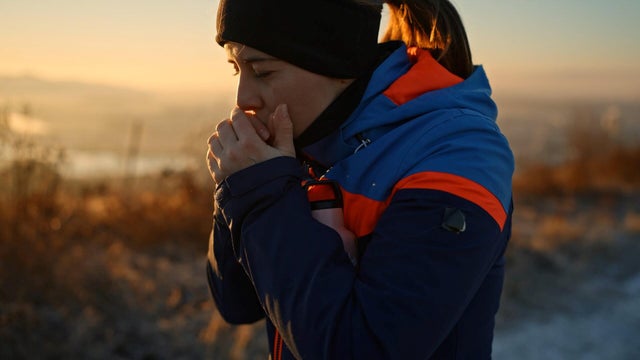
Have you ever noticed that your breath can both warm and cool things down? There is a science behind that!
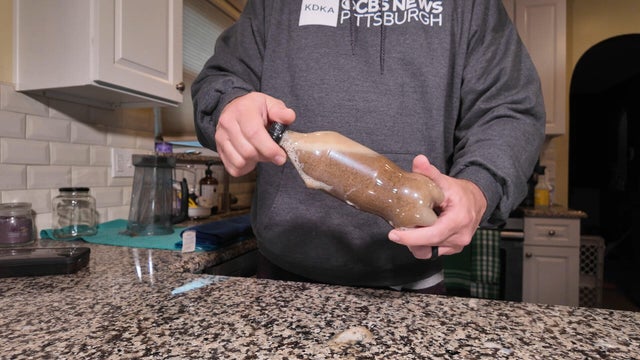
Mixing drinks is a time-honored tradition, but did you know that you can use milk to knock the color out of cola?
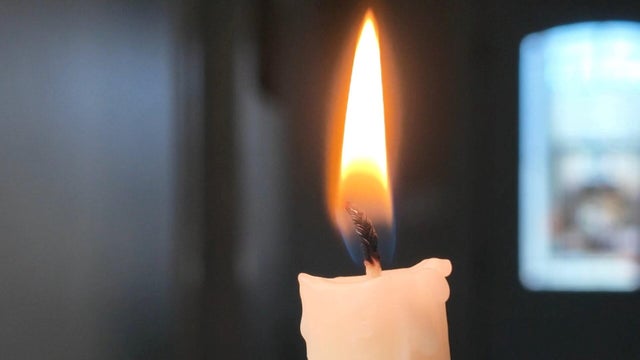
Lighting a candle seems normal, even easy, but there's a lot of science behind getting the flame lit and keeping it lit!
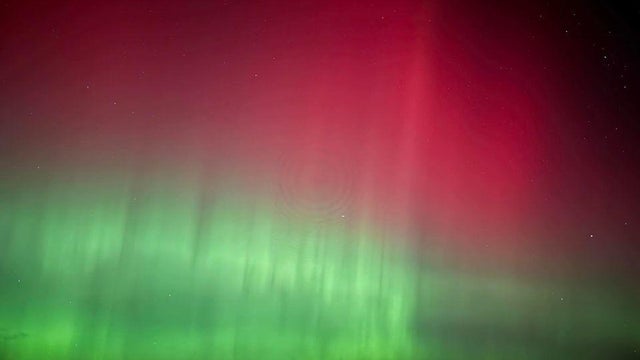
The northern lights may return to the night sky over the Pittsburgh area on Wednesday.
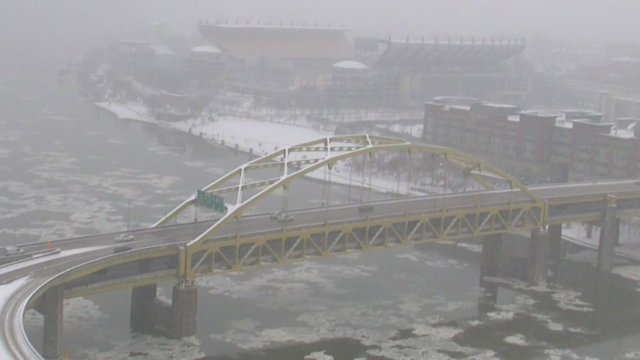
Here's a winter weather forecast for 2025-2026 in the Pittsburgh region.
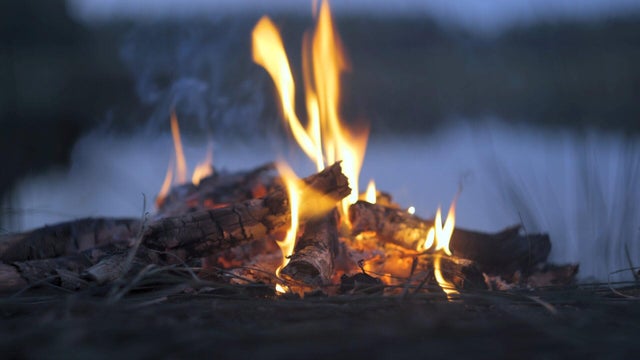
Have you ever been around a bonfire only to find that the smoke seems to follow you around? Well, there's science behind that!
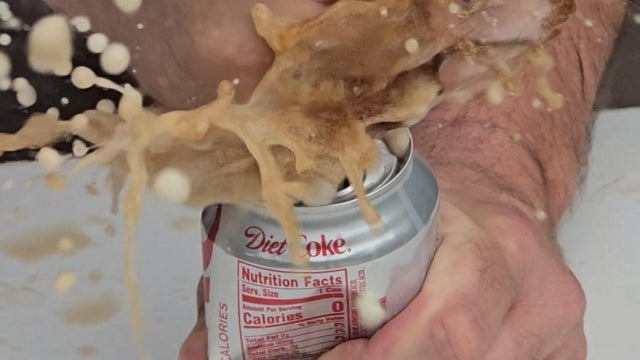
While some call it pop, and others call it soda, this experiment will be more about popping than about what you call Coca-Cola!
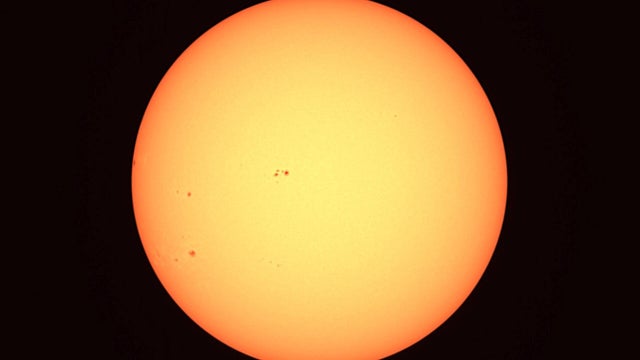
Have you seen the Northern Lights? They're more than just pretty colors; when you see them in Pittsburgh, there's science behind it!