Israel-Lebanon ceasefire begins
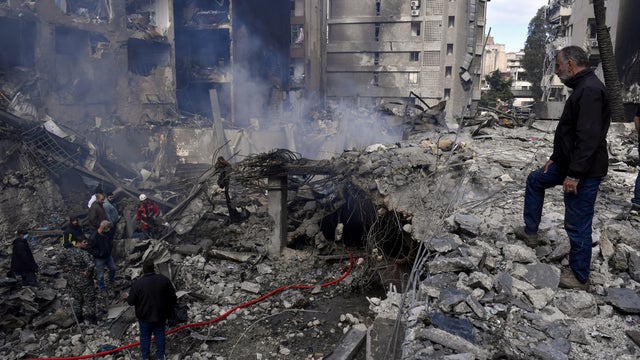
The leaders of Lebanon and Israel agreed to start a 10-day truce at 5 p.m. Eastern Time Thursday.
Watch CBS News
The leaders of Lebanon and Israel agreed to start a 10-day truce at 5 p.m. Eastern Time Thursday.
Lebanon and Israel agreed to a 10-day ceasefire on Thursday. CBS News senior White House correspondent Weijia Jiang has more details on the U.S.-brokered deal.

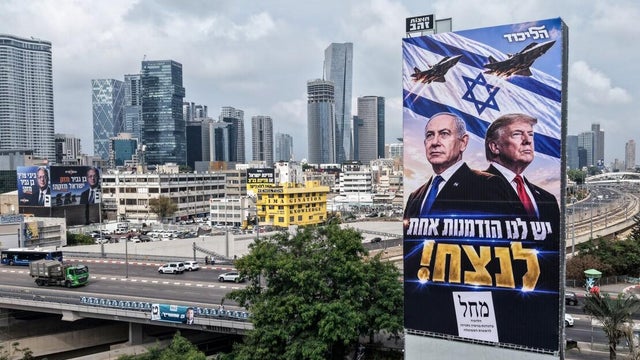
Hungary's Viktor Orban has conceded defeat in what he called a painful election. Meanwhile, in Israel, Prime Minister Benjamin Netanyahu is facing strong opposition ahead of a vote for his reelection coming up in the fall. Elizabeth Palmer reports.
Only about a dozen ships passed through the Strait of Hormuz in the first two days of the ceasefire, far below normal traffic levels before the war, data shows.

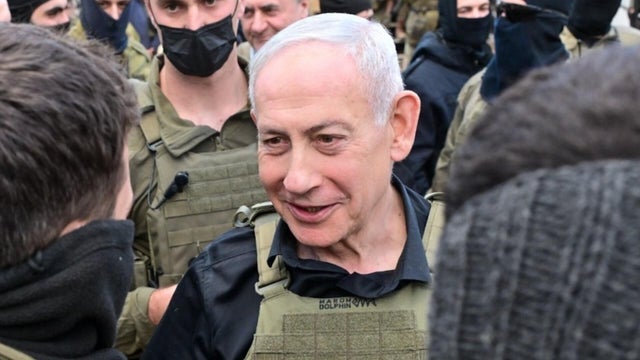
Israeli Prime Minister Benjamin Netanyahu said, "There's no ceasefire in Lebanon," and that Israel will continue striking the Iranian-backed militant group Hezbollah. However, Netanyahu authorized direct talks with Lebanon starting next week in Washington, D.C. Ed O'Keefe reports.

Sources tell CBS News that the U.S. will host diplomatic talks to craft a ceasefire between Lebanon and Israel. BBC Middle East correspondent Hugo Bachega joins CBS News with the latest.

The U.S. and Israel publicly disagree with Iran and Pakistan over whether the country to Israel's north is included in the Iran ceasefire.
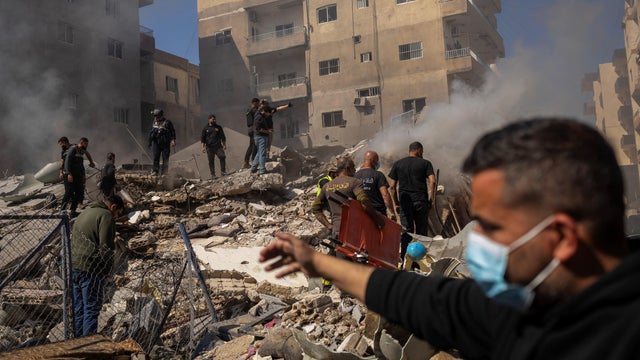
Iran says Israel is violating the ceasefire deal President Trump announced, and Tehran appears to still have control over shipping in the Strait of Hormuz.

The U.S., Israel and Iran have begun a fragile two-week ceasefire in the Middle East. CBS News contributor and Iranian journalist Masih Alinejad joins with analysis.
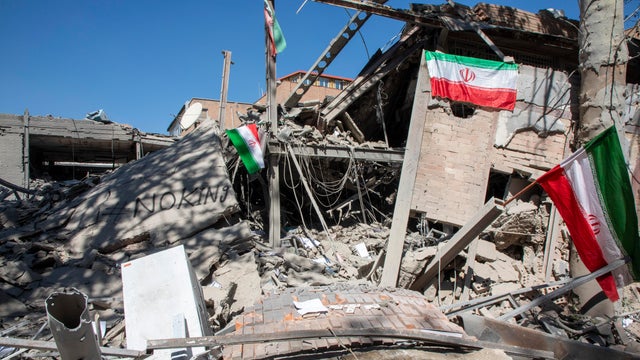
President Trump announced that the U.S. and Iran had agreed to a two-week ceasefire that was contingent on the reopening of the Strait of Hormuz.
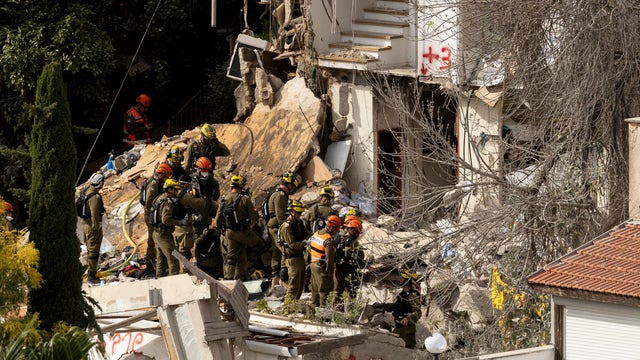
President Trump's deadline for Iran to reach a deal to end the war or face punishing strikes on its bridges and power plants is less than 24 hours away.
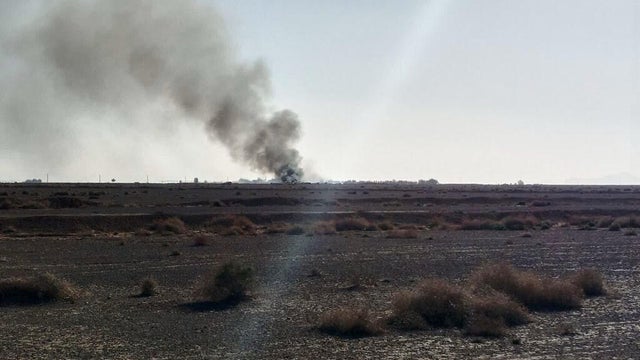
President Trump hailed the rescue of a U.S. airman who was missing almost two days inside Iran — and threatened to hit power plants if Iran doesn't reopen the Strait of Hormuz.
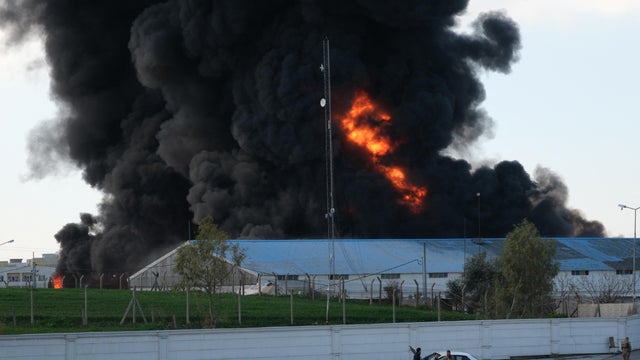
President Trump warned the U.S. "hasn't even started destroying what's left in Iran," and previewed that strikes on bridges and power plants could be next.

President Trump indicated the Iran war may wrap up "very soon" and he could abandon efforts to force Iran to reopen the Strait of Hormuz, as the war pushed U.S. gas prices over the $4 mark.
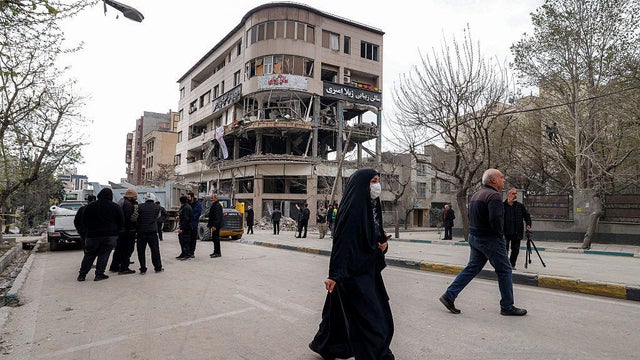
It's unclear if the talks would be direct or indirect, and Washington and Tehran aren't commenting. This, as Iran warns the U.S. not to start ground operations.
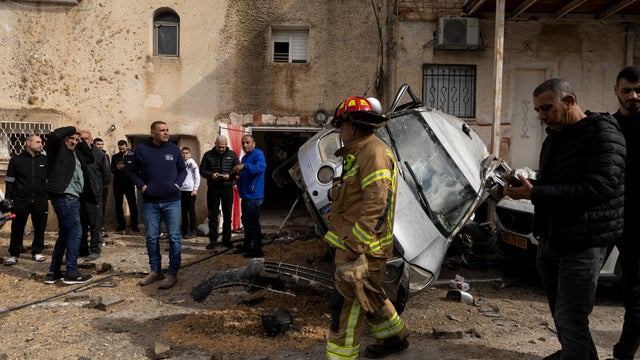
President Trump has extended a pause on striking Iranian energy infrastructure until April 6.

President Trump said several members of his administration were involved in talks with Iran about the ongoing war.
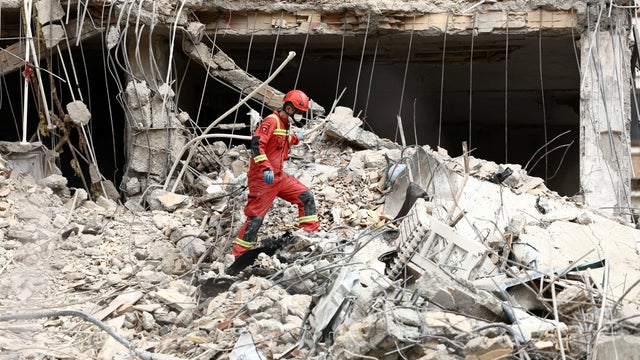
As Iran threatens to mine the entire Persian Gulf, President Trump said his deadline for the Strait of Hormuz to reopen is postponed amid negotiations with Tehran.
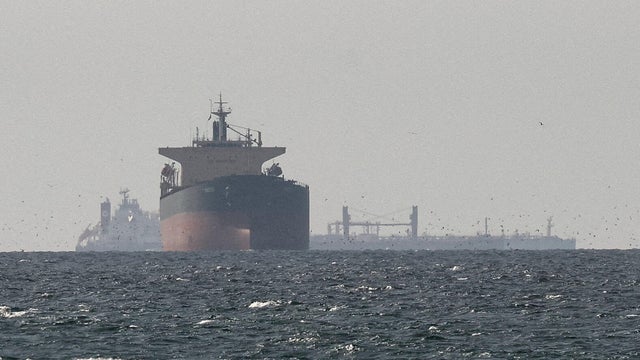
The president threatened to "obliterate" Iranian power plants if Iran didn't reopen the Strait of Hormuz by late Monday night Eastern Daylight Time.
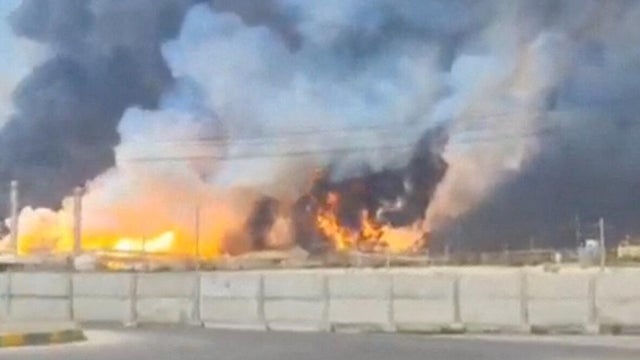
As Iran retaliates for an Israeli strike on the South Pars gas field, one analyst warns the war is "now hitting the plumbing of the global energy system."

Rafael Grossi, director general of the International Atomic Energy Agency, sat down with CBS News chief foreign affairs correspondent and "Face the Nation" moderator Margaret Brennan to examine the state of Iran's nuclear program. Brennan, along with national security analyst Aaron MacLean, join "The Takeout" to discuss further.

It appears Congress, which has not authorized the war with Iran, may be asked to provide $200 billion to pay for it. That number is not official, but senior House and Senate Republicans did not deny it on Thursday and sounded vaguely supportive. CBS News' Major Garrett has more.

Israeli Prime Minister Benjamin Netanyahu addressed his nation on Thursday, giving an update on the state of the war with Iran. Netanyahu praised President Trump several times, thanking him for "leading this effort to safeguard our future."
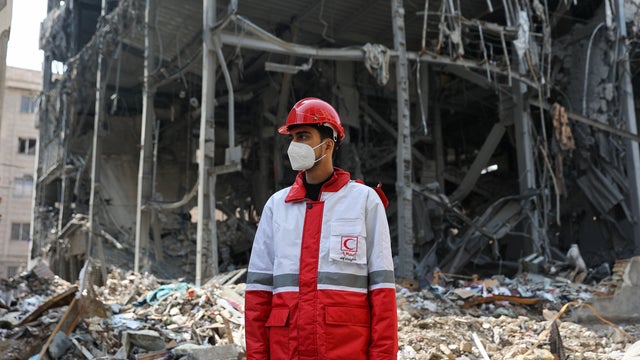
Trump says the U.S. will destroy a vast Iranian gas field if Tehran retaliates for an Israeli strike on the facility by attacking Qatar's infrastructure.
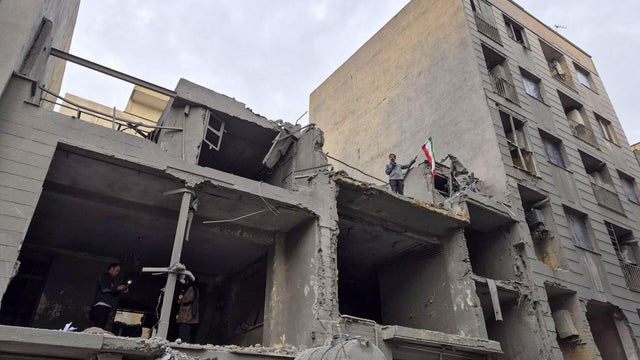
Israel says it killed Iran's top security official Ali Larijani, as America's European allies reject President Trump's demands for help in the Strait of Hormuz.