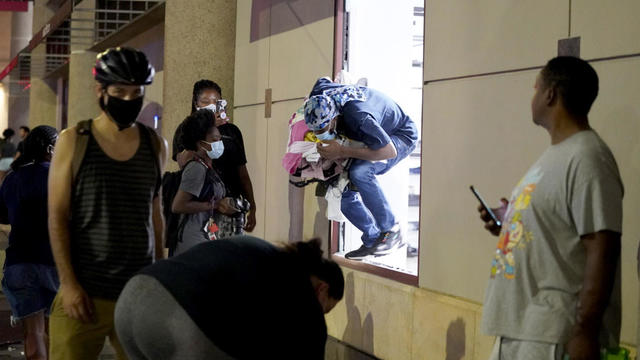
Unrest hits Minneapolis after mistaken reports of police shooting
Misinformation spread that officers had shot and killed Black homicide suspect but video showed he actually shot himself.
Watch CBS News
Misinformation spread that officers had shot and killed Black homicide suspect but video showed he actually shot himself.
Amid growing concern about the dangers of QAnon, a pro-Trump conspiracy theory that's been linked to real-world threats, social media companies' responses are coming under scrutiny. CNET senior producer Dan Patterson joined CBSN's "Red and Blue" to discuss.

The social media giant is using it to help figure out what content, amid millions of posts, violates its policies and should be labeled or removed, but AI has some limitations.

A recent study from South Korea showed children ages 10-19 can spread the coronavirus at least as well as adults can.
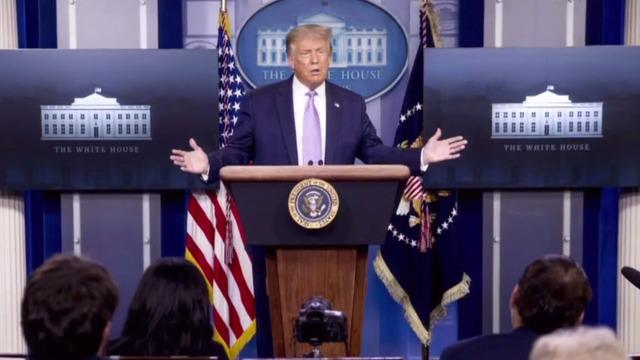
Social media giants Facebook and Twitter have taken action against the president and his campaign after each posted a video of Mr. Trump making false claims about the coronavirus. This is the first time Facebook as ever removed a post from the president's page. Weijia Jiang reports.

Monopolies and misinformation on social media will be part of the focus of an unprecedented hearing on Capitol Hill Wednesday. The heads of Amazon, Apple, Facebook and Alphabet -- which owns Google -- will participate remotely. They're among the richest people on the planet. The House Judiciary Committee is investigating whether their companies have too much power. Errol Barnett reports.

The clip was viewed millions of times before it was scrubbed from the social media platforms.
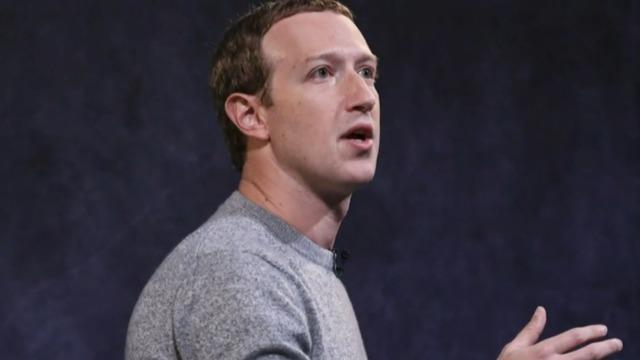
Civil rights leaders say that Facebook isn't doing enough to stop the spread of hate speech on its platform. Imran Ahmed, the founder and CEO of the Center for Countering Digital Hate, joins CBSN to discuss how big tech companies are profiting from misinformation.

Consumer-goods giant will also pull ads from Twitter, citing polarization and hate-promoting speech on social media.
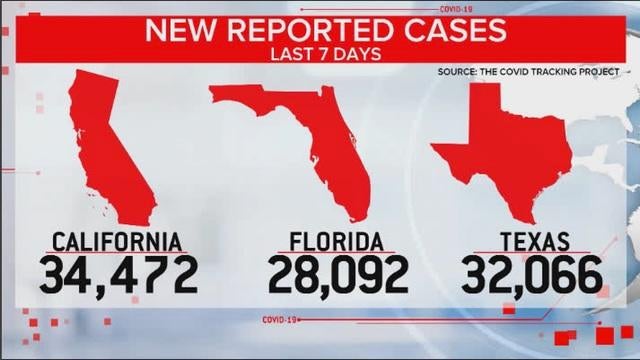
The U.S. is projected to reach 180,000 COVID-19 deaths by the beginning of October, according to a new model released by the University of Washington’s Institute for Health Metrics and Evaluation. But as many as 33,000 lives could be saved if the majority of people start wearing masks. Dr. Bob Lahita joined CBSN to discuss that plus new research on possible brain complications from severe COVID-19 and other developments.
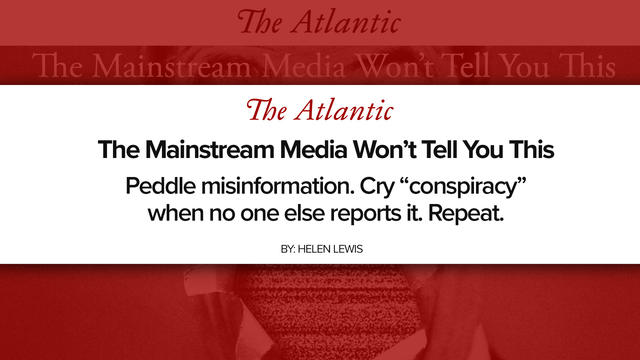
Social media networks have struggled to contain the spread of misinformation as conspiracy theories continue to saturate the internet. Recently a number of conspiracy theorists have posed as journalists online in an effort to further peddle false narratives to the public. Helen Lewis, a staff writer at The Atlantic, joined CBSN to discuss the implications.

As Twitter claims to thwart Beijing's efforts to spread fake news, Zoom admits it "fell short" by temporarily silencing Chinese dissidents.

Bad actors have taken advantage of protests over the death of George Floyd, sometimes provoking violence or spreading conspiracy theories and misinformation on social media. CNET senior producer Dan Patterson joins CBSN with more.
While most Americans expect a vaccine to be available at some point in 2021, a new survey by the AP also finds many people in the country are skeptical about actually using it. Dr. Neeta Ogden joined CBSN to discuss what kind of consequences could we see if people don't have confiedence that a vaccine is safe and effective.
Bots have dominated the Twitter discussion about "reopening America," tech researchers say.
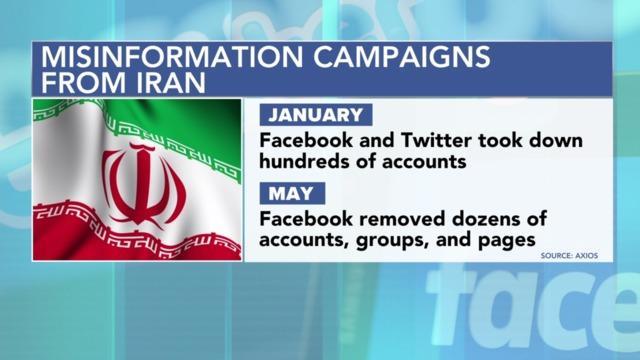
Security officials and social media giants are warning that misinformation threats ahead of the 2020 election aren't just coming from Russia. Axios media reporter Sarah Fischer joined CBSN with more on her reporting.

"If you're telling someone that social distancing doesn't work, or that you know something that's proven to be a cure when it isn't, we want to take that off our services completely," Zuckerberg said.
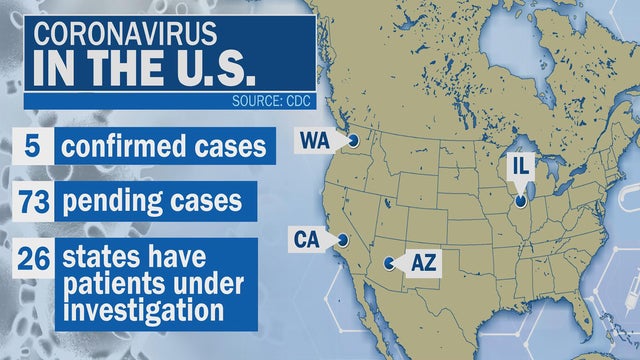
Social media accounts spreading misinformation about coronavirus are sparking fears in the U.S. and China, as the deadly disease continues to spread. Axios media reporter Sara Fischer joins CBSN to discuss how falsehoods are spreading and what's being done to combat it.
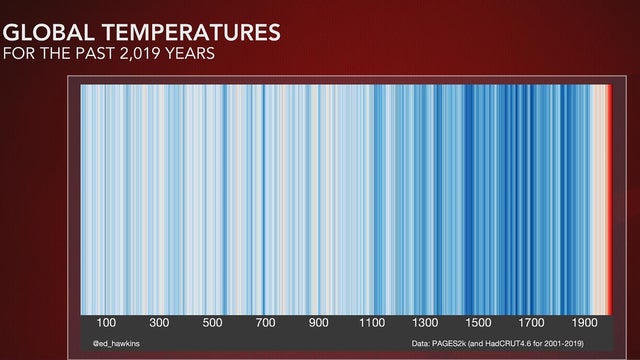
A color-coded chart shows how global temperatures have fluctuated over the past 2,000 years. The chart shows how abnormally warm recent temperatures are, but a different chart has been circulating online that excludes temperatures from recent years and has been championed by climate change contrarians. CBS News meteorologist and climate specialist Jeff Berardelli joined "CBSN AM" to discuss.
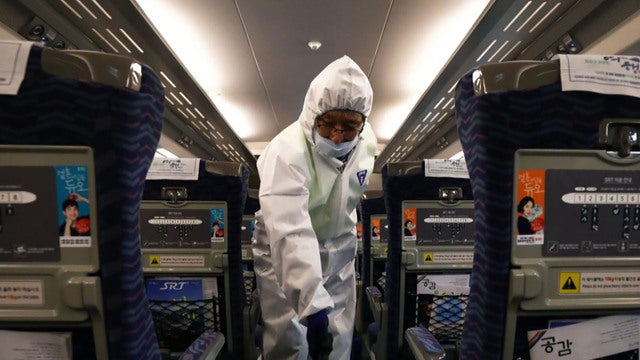
As health officials struggle to contain the coronavirus outbreak, Facebook is fighting the spread of misinformation about the disease online. AP reporter David Klepper joined CBSN to discuss the social media platform's efforts.
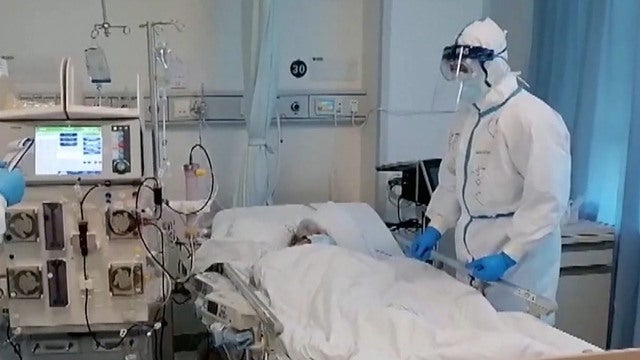
Social media has fueled the spread of misinformation about the coronavirus. Tanya Basu, a senior reporter covering humans and technology at MIT Technology Review, joined CBSN AM to talk about the scope of the problem.
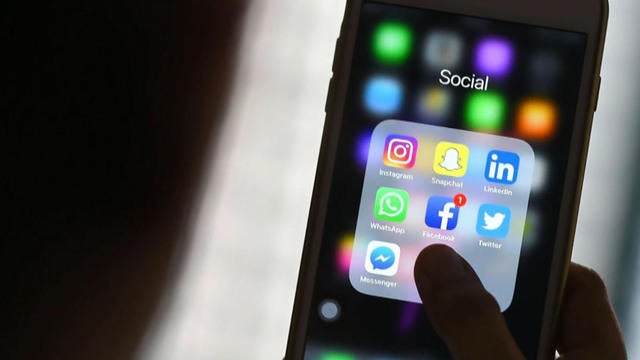
As the coronavirus spreads worldwide, so too does misinformation about the disease. CNET senior producer Dan Patterson joins CBSN with a closer look at where the bad info is coming from and what companies are doing to curtail it.
As misinformation spreads about the coronavirus outbreak, the science community overall is on edge over false information. The anti-science movement has even made its way into classrooms, confusing students about what's true and what's myth. CBSN Originals executive producer and correspondent Adam Yamaguchi joined CBSN AM to discuss his latest documentary, "The War on Science."
As the coronavirus spreads across the world, misinformation about the virus is being shared online, and some of it could be coming from foreign governments. A top State Department official told the Washington Post last week that Russia has been creating "false personas" to spread misinformation on social media. CNET senior producer Dan Patterson joins CBSN with more.
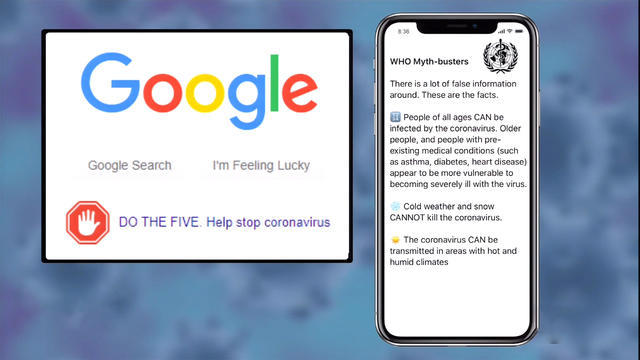
With Americans around the country shuttered inside their homes amid the coronavirus pandemic, many are turning to social media to be entertained and stay connected. However, the usual pitfalls of misinformation that live online could be deadly, when it comes to false facts and data on the virus. Wired Editor-in-Chief Nick Thompson joins “CBS This Morning: Saturday” to talk about what he’s learned covering the role of technology in the coronavirus crisis.