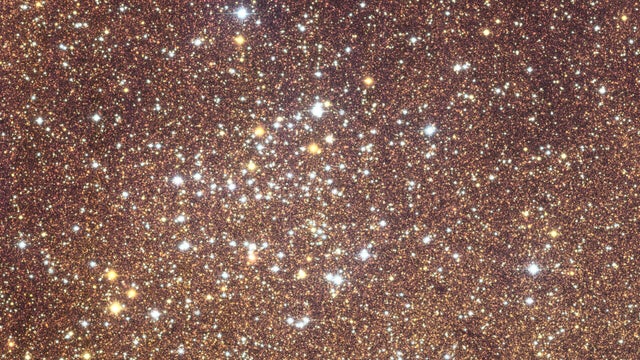
Telescope snaps most detailed photo yet of Milky Way's heart
Euclid is on a mission to chart one-third of the sky in the hopes of shedding light on the enduring mysteries of dark matter and dark energy.
Watch CBS News
Euclid is on a mission to chart one-third of the sky in the hopes of shedding light on the enduring mysteries of dark matter and dark energy.
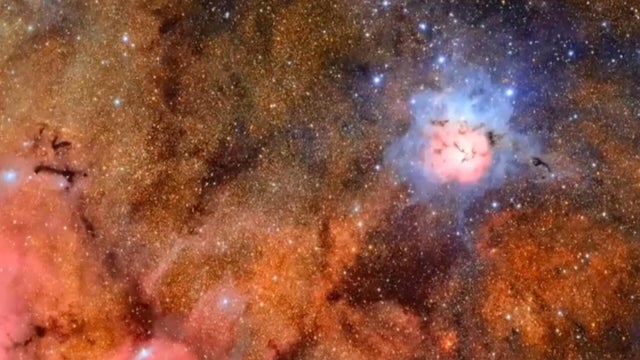
Incredibly brilliant images have been released this week of the Milky Way and other distant galaxies from the world's largest telescope at the Rubin Observatory in Chile. Derrick Pitts, chief astronomer and planetarium director at the Franklin Institute, joined CBS News to discuss.

Everyone is sore about something or other that costs more than it used to -- a gallon of gas, a quart of milk, a phone call. Andy Rooney is no exception.
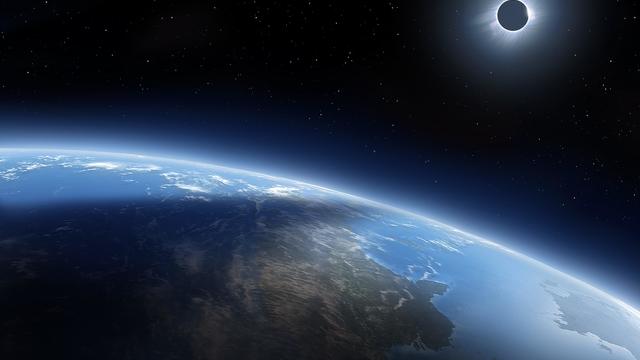
The asteroid was discovered in August and is set to become a mini-moon, spinning around Earth in a horseshoe shape for about two months.
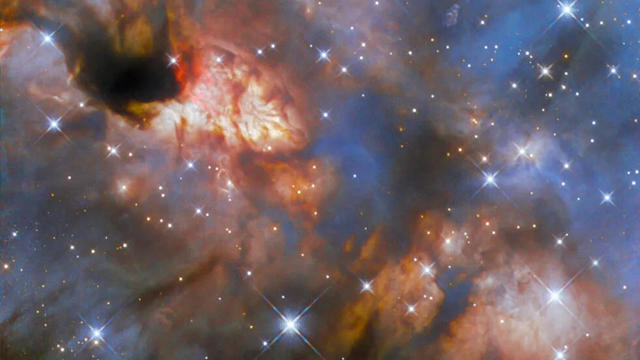
The Hubble Space Telescope captured a bold photo of the likely star forming about 5,900 light-years from Earth.
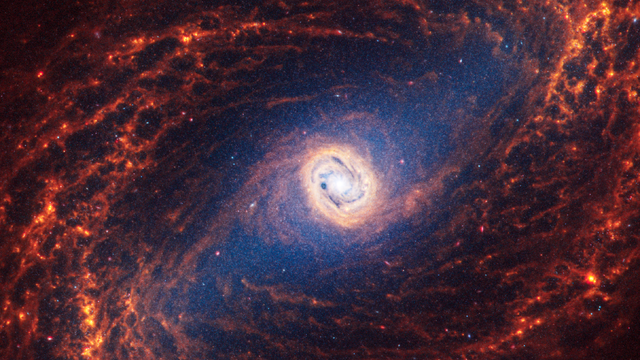
The new images captured by the James Webb Space Telescope are "mind-blowing even for researchers who have studied these same galaxies for decades," one scientist said.

The James Webb Space Telescope revealed galaxies from more than 13 billion years ago that seem to be as mature as the Milky Way is now: "Something so unexpected it actually creates problems for science."
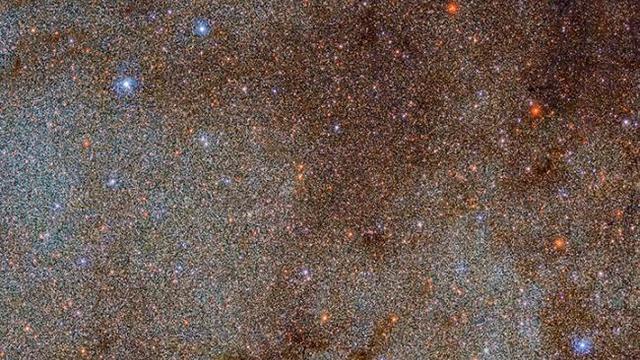
Stunning images released by the National Science Foundation show the most expansive slice of the galaxy to date produced by a single camera.
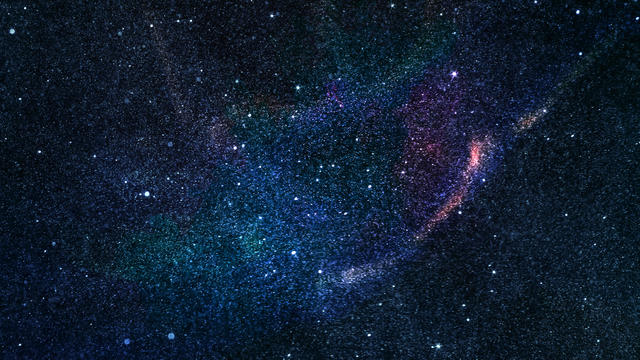
The first-of-its-kind vibrant map allows you to scroll through 200,000 galaxies dating back 12.5 billion years.
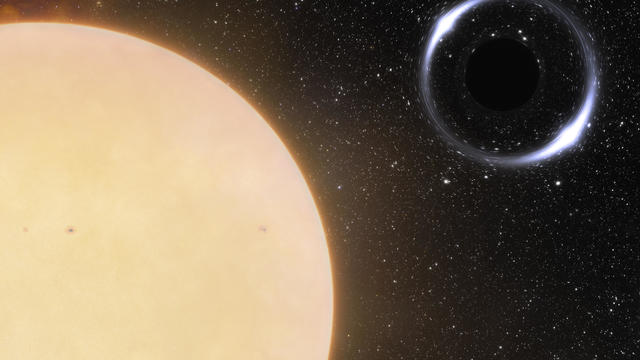
Scientists said the black hole is 10 times more massive than the sun.
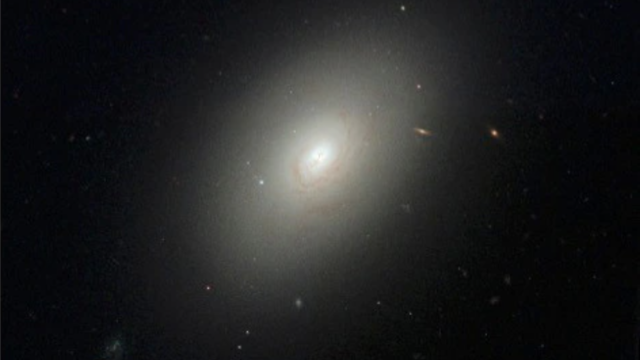
Finding the remains of ancient stars "was like trying to find the mythical elephant's graveyard," scientists say.
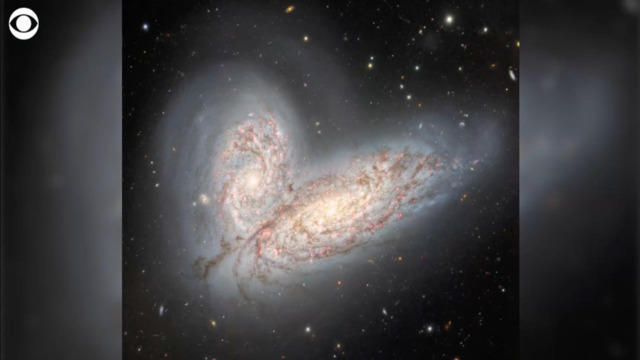
In a part of space far, far away, two galaxies joined together to form one of the universe's most spectacular events – a galactic merger with streaming stars and chaos. And scientists say the stunning images are a preview of what's to come for the Milky Way.
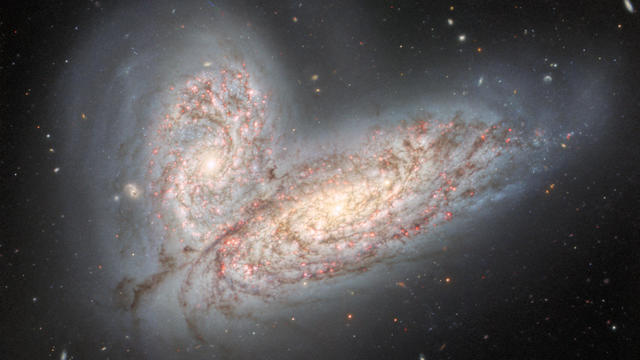
"Dueling gravitational forces will trigger bursts of intense stellar formation and wildly distort their once-majestic structures," researchers said.
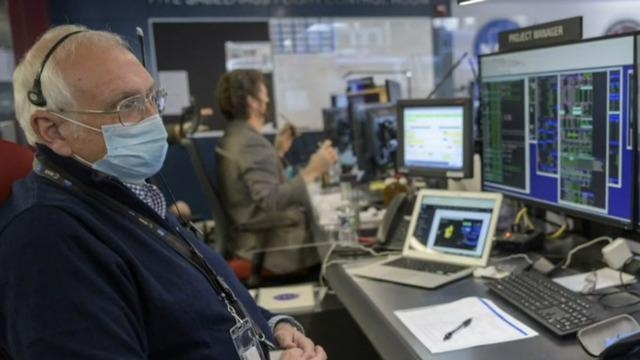
NASA's James Webb Space Telescope could soon provide some answers about other planets in the far reaches of the Milky Way. Assistant astronomer at the Space Telescope Science Institute Néstor Espinoza speaks with CBS News anchor Lana Zak about the what scientists hope to learn from these other planets.
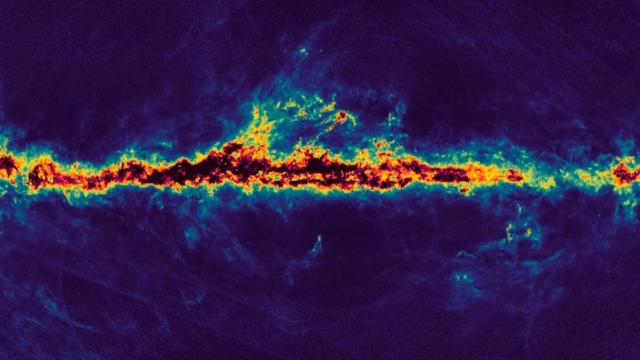
Astronomers says the data "revolutionizes our understanding of the galaxy."
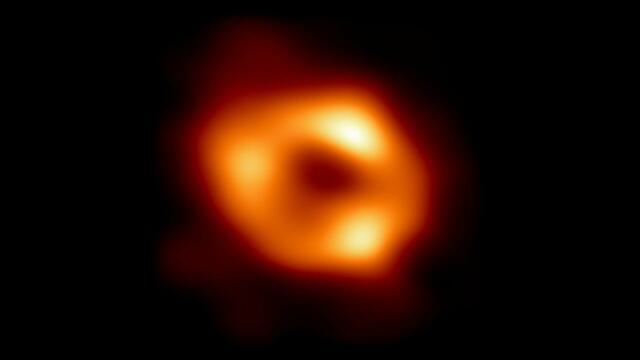
Astronomers have managed to get the first images of the black hole located at the core of the Milky Way. Scientists across seven countries released the first ever image of the black hole called Sagittarius A*. Jeff Glor has more.
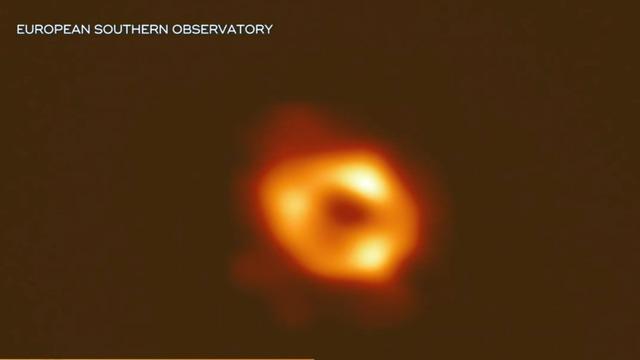
Astronomers have released a colorized image of the black hole at the center of our Milky Way Galaxy, captured by the Event Horizon Telescope collaboration. "CBS News Mornings" takes a look.
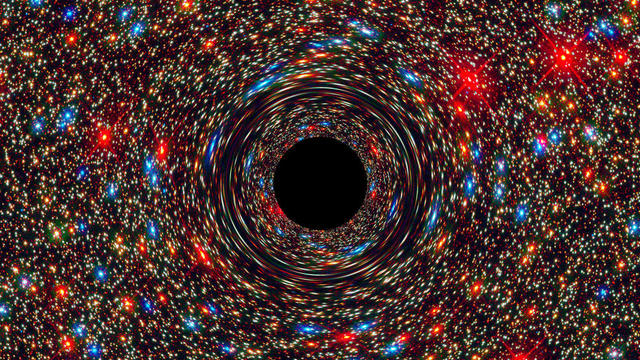
Astronomers zero in on some of the most mystifying phenomena in the universe
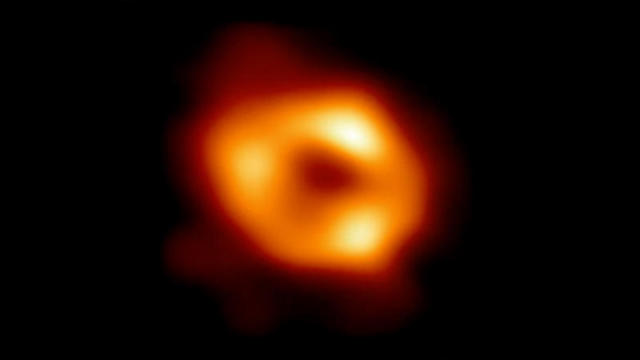
Three years after capturing the first image of a supermassive black hole in a galaxy 55 million light years away, astronomers have managed to "photograph" one closer to home.
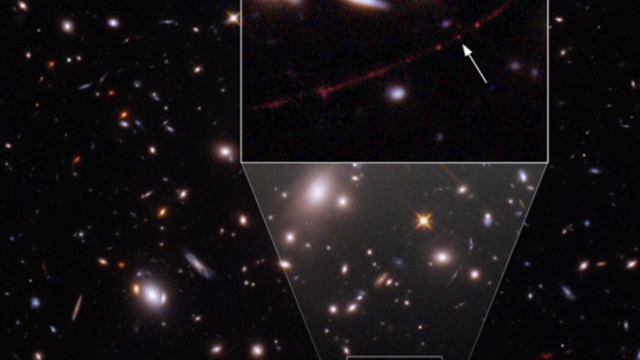
The star may be up to 50 times the mass of our sun.
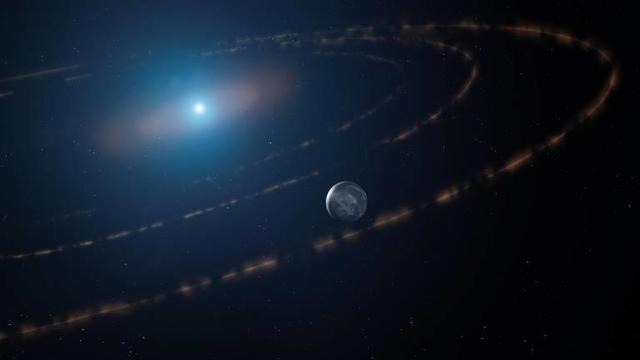
If confirmed, this "unexpected" discovery in the Milky Way would be the first time a life-supporting planet has been found orbiting a dying sun.
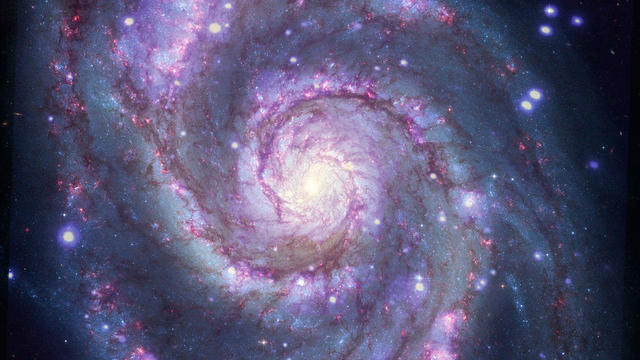
The planet hasn't been confirmed but the findings could help scientists identify other planets outside of our galaxy.
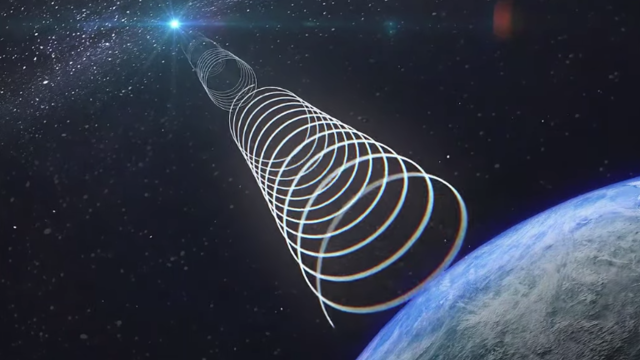
"We've never seen anything like it," one astronomer said.
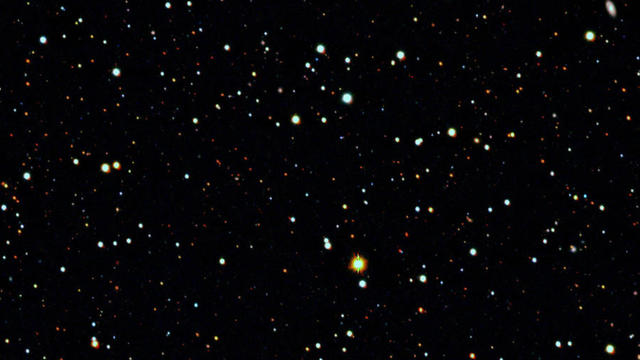
"One galaxy may have eaten one of its slightly smaller, more primitive neighbors, that then spilled all its stars into the outskirts," an MIT professor said.
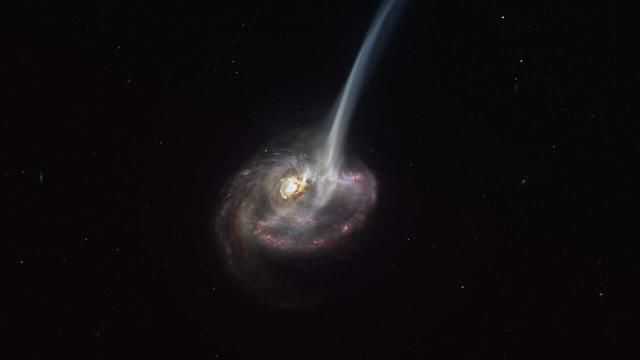
Galaxy ID2299 is losing its ability to form new stars, causing it to die.