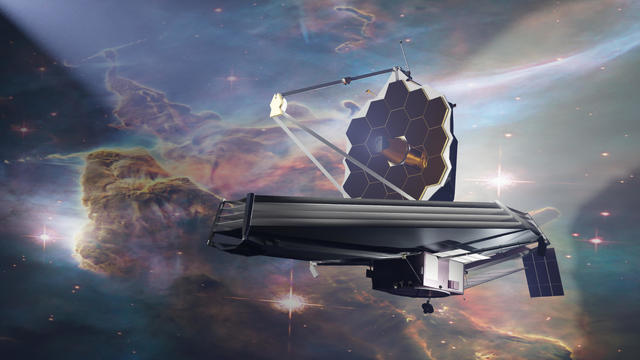
Webb telescope "unlocks secrets" of far-away galaxy
Two teams of researchers studying a galaxy through NASA's James Webb Space Telescope spotted the most distant active supermassive black hole ever found.
Watch CBS News
Two teams of researchers studying a galaxy through NASA's James Webb Space Telescope spotted the most distant active supermassive black hole ever found.
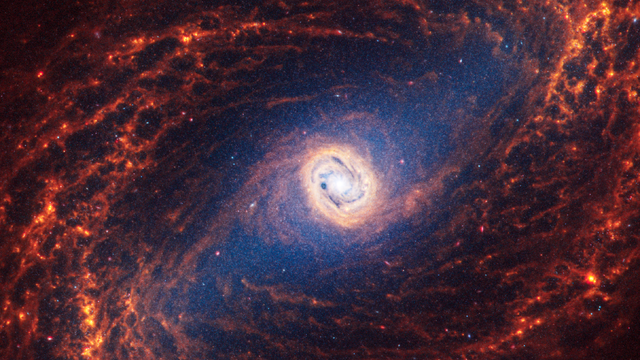
The new images captured by the James Webb Space Telescope are "mind-blowing even for researchers who have studied these same galaxies for decades," one scientist said.
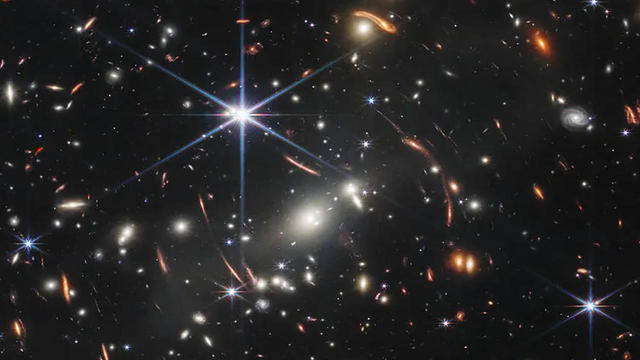
In the two years since the telescope was blasted into orbit, it has performed like a champ, capturing phenomenal images of the heavens and collecting data about distant planets – and scientists say it will continue for decades.
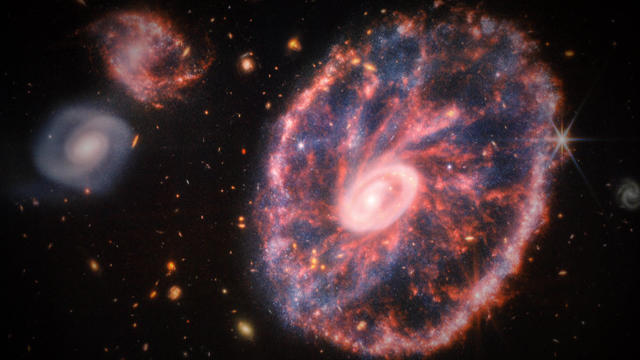
On Christmas Day 2021 the James Webb Space Telescope was blasted into orbit. In the two years since the telescope has performed like a champ, capturing phenomenal images of the heavens and collecting data about distant planets. Correspondent David Pogue reports on the spectacular findings we continue to receive from this remarkable eye on the universe.
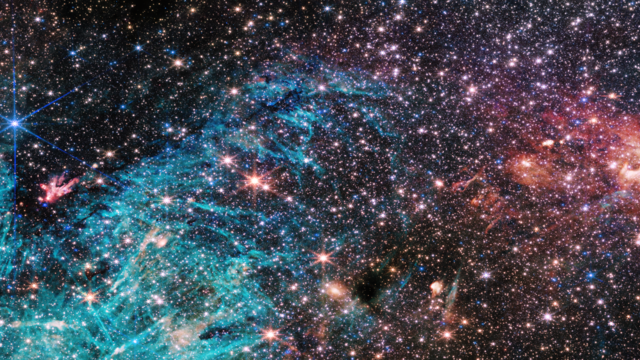
A stunning image from NASA's James Webb Space Telescope shows a cluster of protostars at the dense center of the Milky Way.
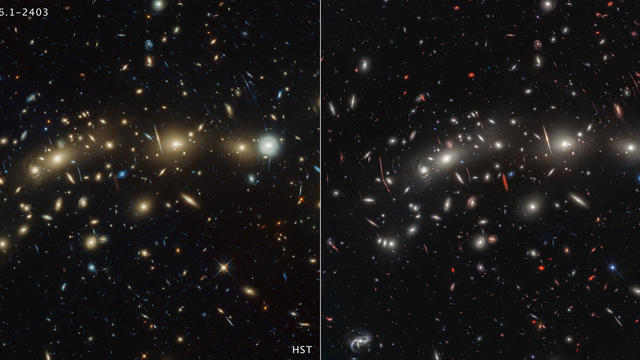
Sparkling and colorful images of faraway galaxy clusters recently released by NASA show one of the most detailed views of the universe ever taken.
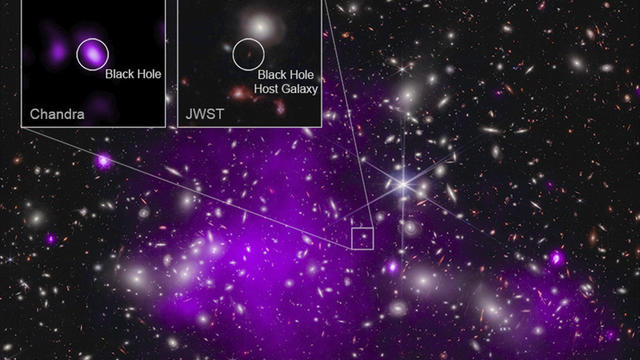
"It's astounding how this thing actually is sitting in place already with its galaxy so early on in the universe," said one of the study's authors.
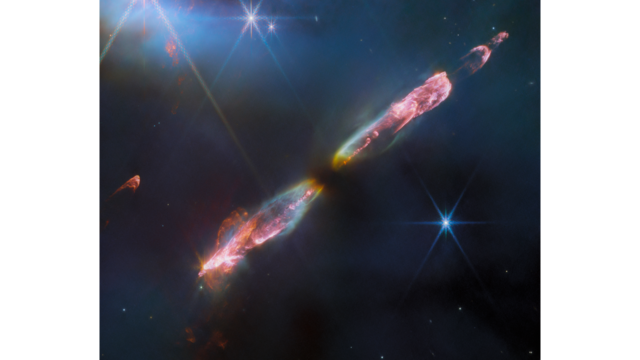
The image shows "luminous regions" around a newborn star in a strikingly high resolution.
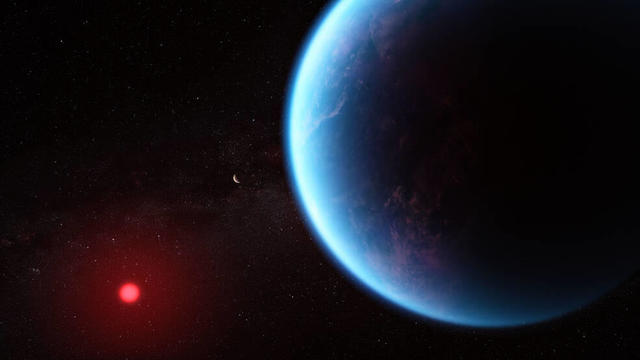
The exoplanet, called K2-18 b, could be a Hycean planet – meaning it has a hydrogen-rich atmosphere and an ocean.
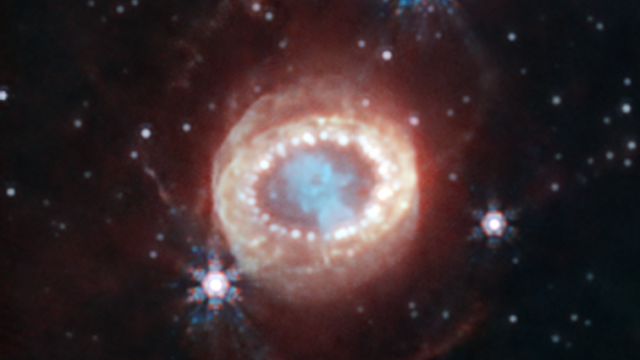
The powerful James Webb Space Telescope revealed "crescent-like structures" within the SN 1987A supernova.
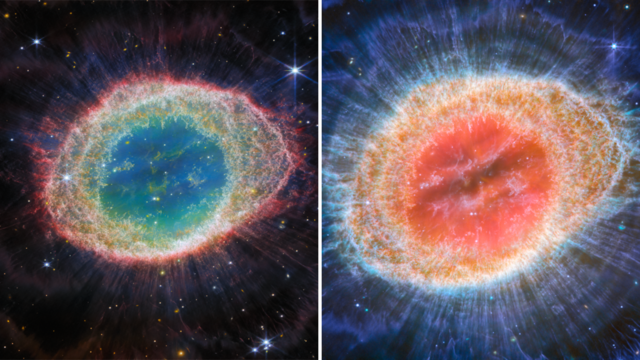
New images from the James Webb Space Telescope have revealed intricate details of a dying star's final stages, NASA said.

The image quickly went viral this week, with social media users questioning if it is a sign from aliens. But there's a simpler explanation, an expert says.
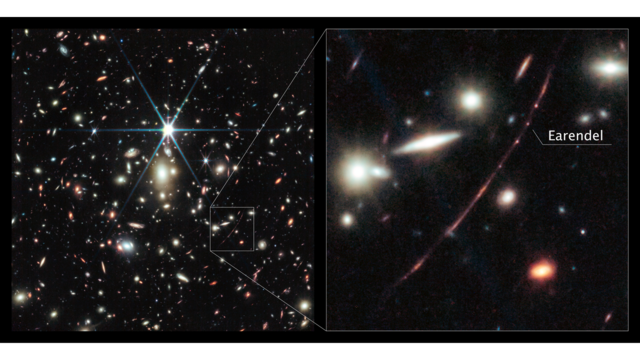
NASA has revealed new information about the star Earendel, which scientists say is now 28 billion lightyears away.

NASA is celebrating one year of images from the James Webb Space Telescope. NASA administrator Bill Nelson joined CBS News to talk about some of the images the telescope has captured, including one released Wednesday of a stellar nursery.
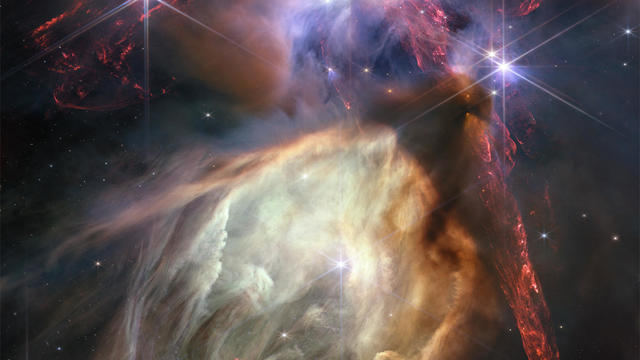
The stellar nursery in the Rho Ophiuchi cloud complex features about 50 young stars, all similar to Earth's sun or smaller.
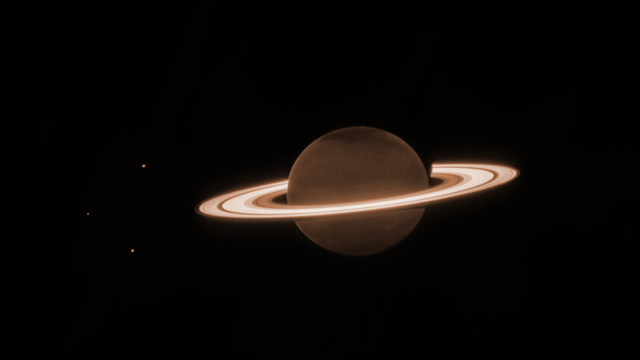
NASA unveiled a stunning image of the ringed planet and several of its moons.
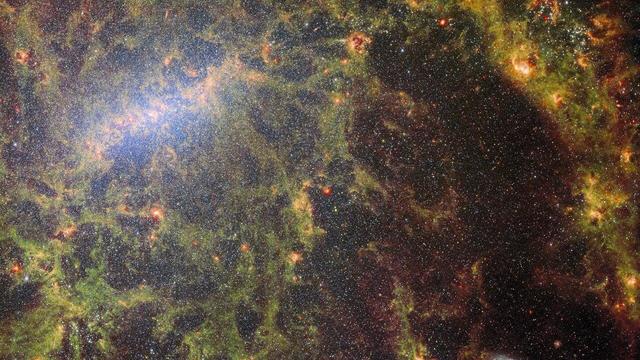
One of the new images, part of an "astronomical treasure trove" reveal asteroid tails shooting across the far-off galaxy.
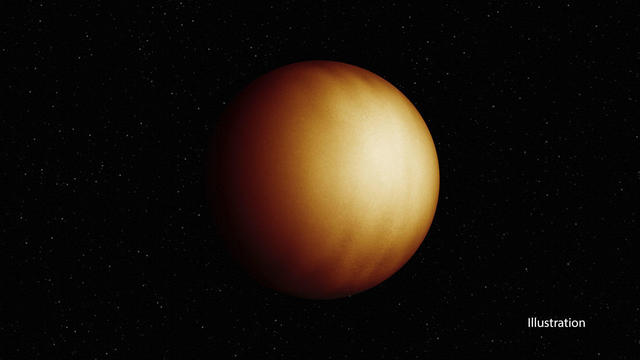
Scientists first made a brightness map of the exoplanet, then a temperature map of the atmosphere.
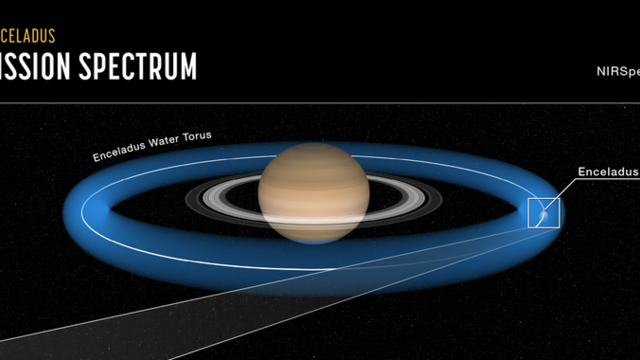
Scientists say the plume may feed Saturn's water system at large, and studying it could provide key insights into potential life beyond Earth.
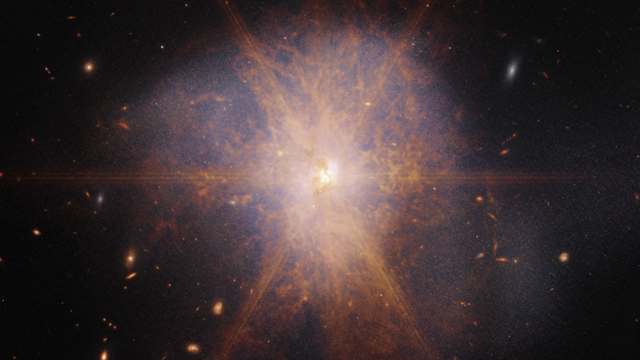
NASA said the collision of the two spiral galaxies began about 700 million years ago.
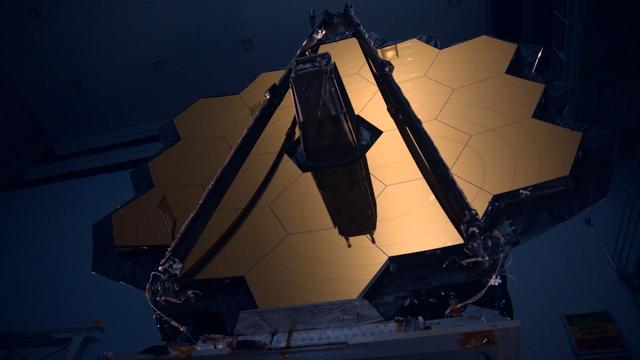
NASA's James Webb Space Telescope is on a mission to find the first galaxies and stars. Scott Pelley gets an inside look at what the telescope has discovered about the universe.
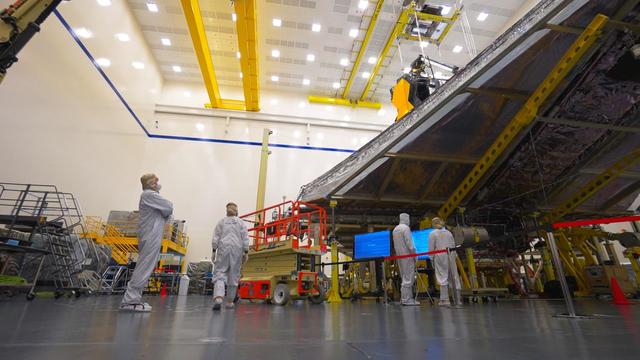
As NASA's Webb telescope scours the universe to find light from the first stars and galaxies, it is also capturing the universe like never before. Scott Pelley got an inside look at Webb's new discoveries.
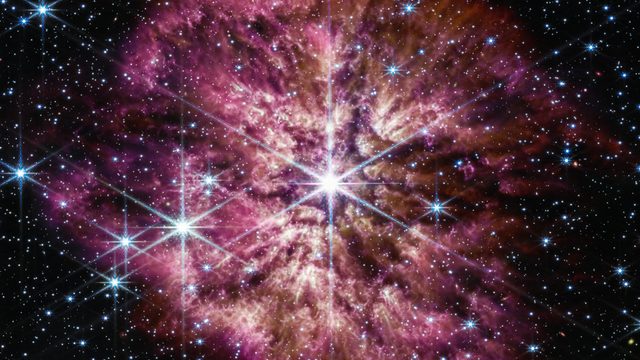
NASA's Webb Space Telescope has captured the rare phase of a star in the constellation Sagittarius on the cusp of dying.
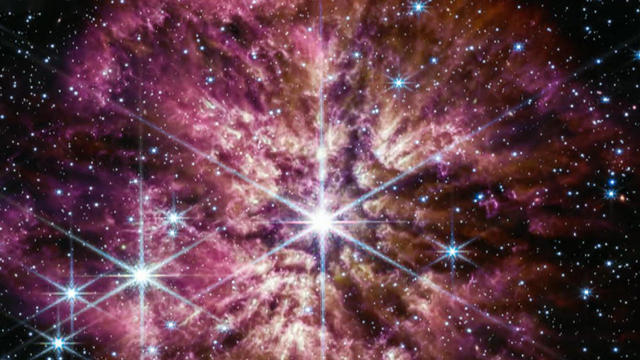
A new image from the James Webb Telescope shows a Wolf-Rayet star on the verge of becoming a supernova. CBS News space analyst Bill Harwood joins Elaine Quijano and Lana Zak to discuss the massive star, the plans for the Webb telescope and SpaceX's latest venture into phone service.

The James Webb Space Telescope revealed galaxies from more than 13 billion years ago that seem to be as mature as the Milky Way is now: "Something so unexpected it actually creates problems for science."