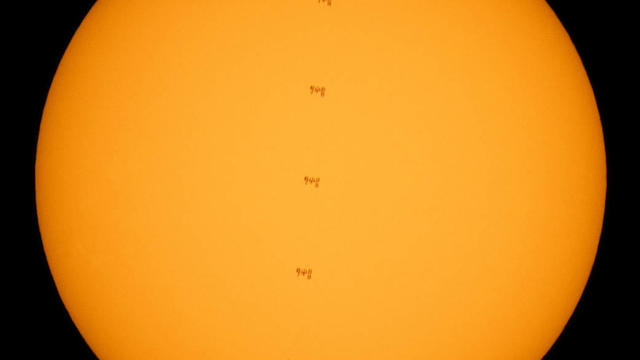
Spectacular image captures ISS crossing in front of the sun
At the time the image was taken, two astronauts were spacewalking outside the orbiting laboratory.
Watch CBS News
At the time the image was taken, two astronauts were spacewalking outside the orbiting laboratory.

The new roll-out solar arrays are part of an upgrade to counteract age-related degradation in the lab's original panels.

How do astronauts do laundry in space? They don't. They wear their underwear, gym clothes and everything else until they can't take the filth and stink anymore, then junk them. NASA wants to change that. CBS Los Angeles has the details.

The successful solar array installation clears the way for another spacewalk Friday
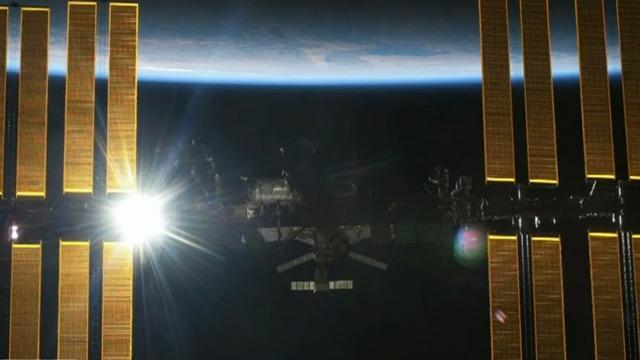
On Sunday, two astronauts will venture outside the International Space Station to continue upgrades to its solar panels. With the operational lifespan of the ISS set to expire in 2024, NASA is hoping some upgrades will keep it running longer. CBS News Space Analyst Bill Harwood talks with CBSN Anchor Lana Zak about how the power upgrades factor into that plan and China's growing presence in space.
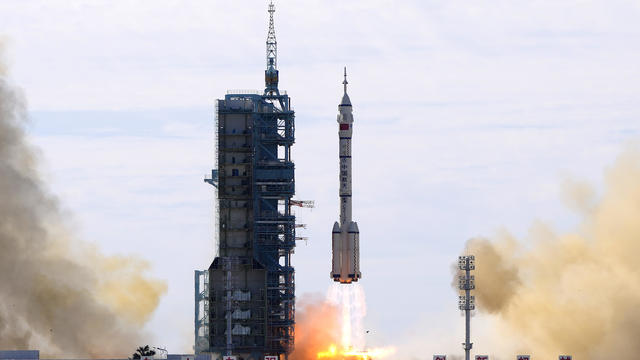
The three-man crew plans to spend three months aboard the Tianhe space station core module.
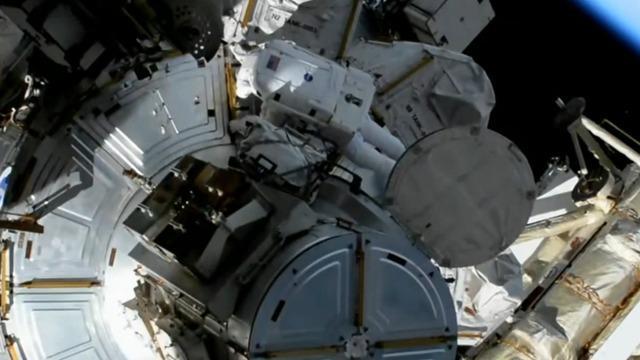
Two astronauts floated outside the International Space Station Wednesday and attached a rolled-up solar array, the first of six intended to boost the lab's power back to factory fresh levels. CBSN's Lana Zak has the details.
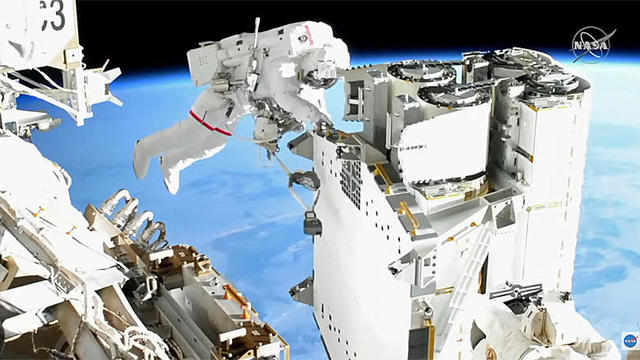
Two spacewalks are needed to install the first two of six new solar blankets, giving station power a needed boost.
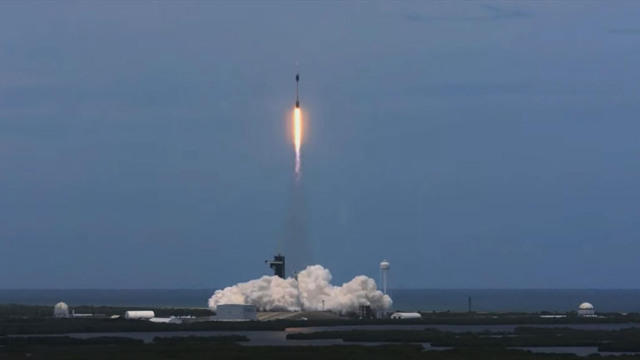
An uncrewed SpaceX Falcon 9 rocket lifted off from Florida carrying supplies to the International Space Station, including new solar arrays for the power system as well as baby squid and microscopic organisms for scientific research. Watch NASA and SpaceX's coverage of the launch.

Tiny creatures are launching to space aboard a SpaceX cargo resupply mission.

New solar arrays are part of SpaceX's 22nd supply run to the International Space Station.
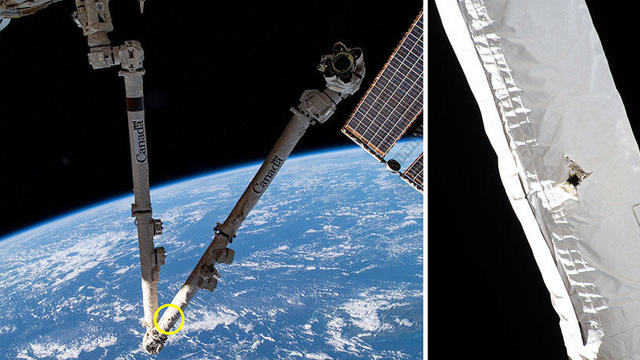
Space debris, which travels at approximately 15,700 miles per hour in low-Earth orbit, poses a threat to both spacecraft and astronauts due to their fast speeds.

The Pirs airlock and docking comparment will be detached to make way for the new Nauka lab module.
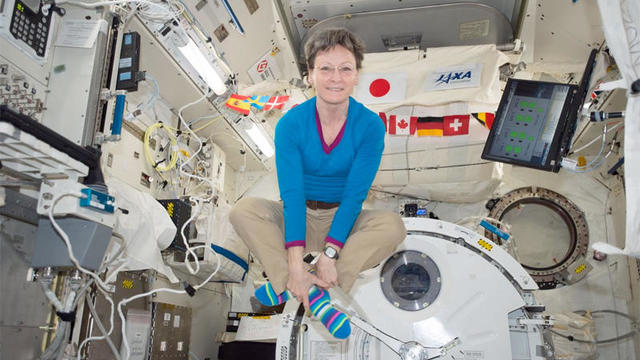
Retired NASA astronaut Peggy Whitson and veteran pilot John Shoffler plan to visit the space station on a commercial flight.
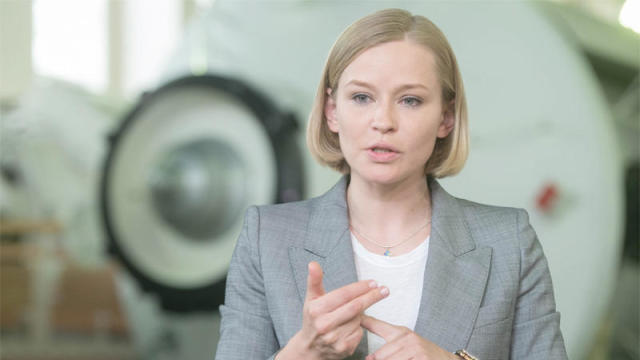
Actress Yulia Peresild and filmmaker Klim Shipenko will shoot scenes for an upcoming movie aboard the space station.
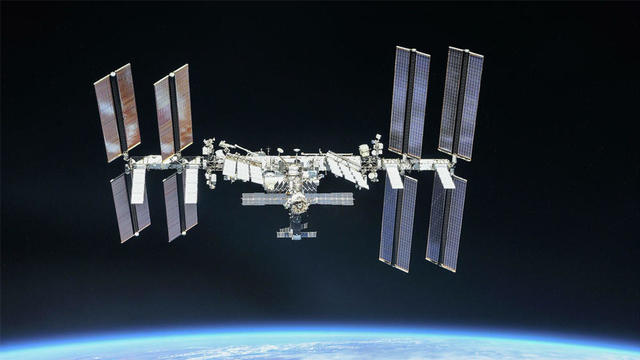
The flight will be the second fully commercial launch of civilians to low-Earth orbit and the first to the International Space Station.
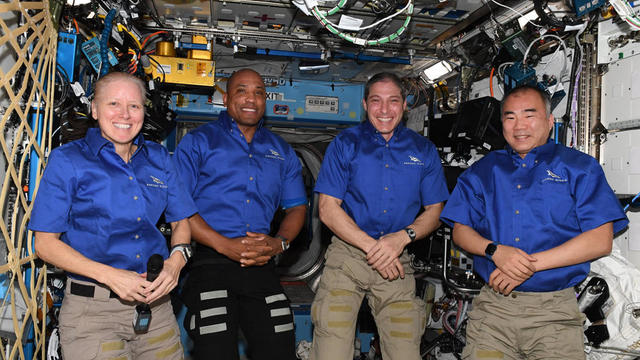
The four Crew Dragon astronauts, delayed by windy weather, head for only the third nighttime splashdown in space history.
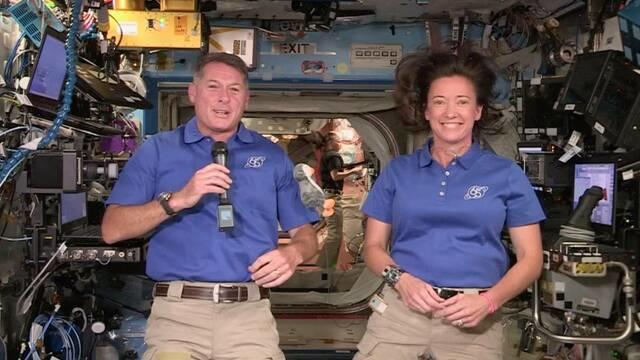
NASA astronauts Shane Kimbrough and Megan McArthur talked with CBS News' Bill Harwood from aboard the International Space Station about the early days of their planned six-month mission. They launched on April 23 aboard a SpaceX Falcon 9 rocket carrying a Crew Dragon capsule. Read more here.
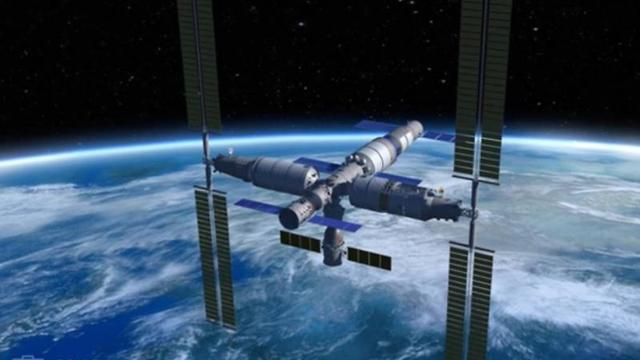
Officials expect the project to take a couple years, but launch of the control module is a major step for China's increasingly sophisticated space program.
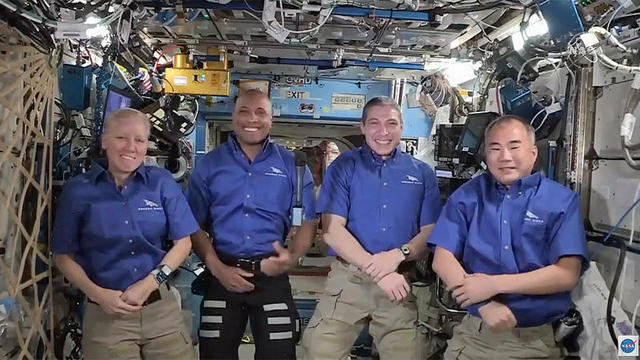
Four space station astronauts now plan to splash down Saturday to close out an extended 166-day mission.
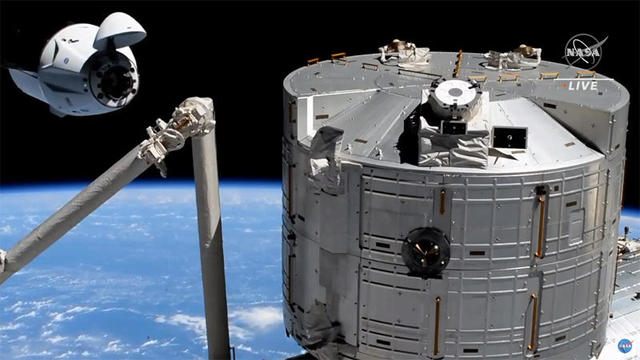
The arrival of one Crew Dragon capsule sets the stage for the departure and return to Earth of another.
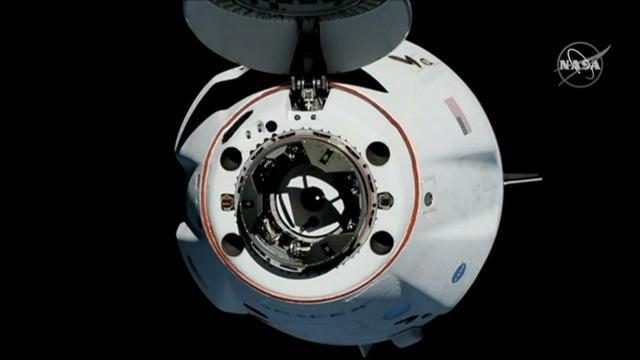
SpaceX successfully launched NASA astronauts to the International Space Station using a recycled rocket booster and capsule. Mark Strassmann has more on this historic accomplishment.

SpaceX successfully launched a crew of four to the International Space Station early Friday morning. CBS News correspondent Mark Strassmann reports on the launch and former NASA astronaut and space station commander Leroy Chiao joins "CBSN AM" to talk about the mission.
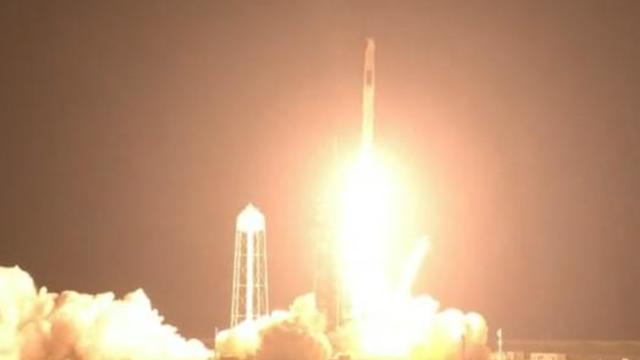
It's the first piloted flight of a previously-flown first stage booster and a Crew Dragon capsule making its second flight.
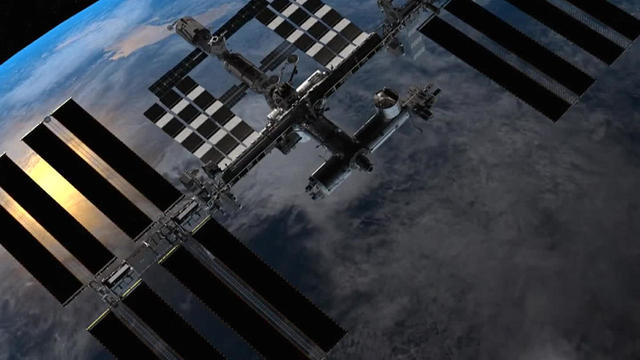
One of the most out-of-this-world travel destinations is 250 miles above the Earth, where scientific studies include the effects of long-term exposure to weightlessness, and the feasibility of extended travel into deep space.