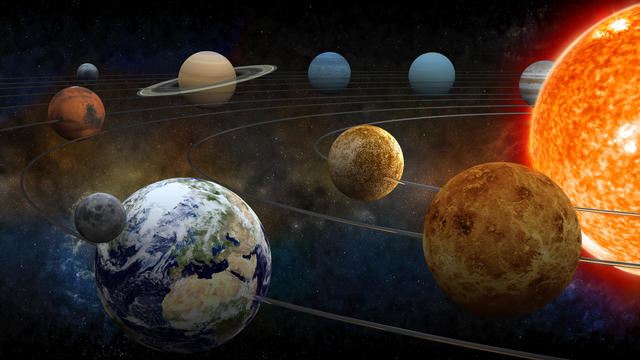
How to watch a rare 5-planet alignment this weekend
The planetary alignment will include Saturn, Neptune, Jupiter, Uranus and Mercury.
Watch CBS News
The planetary alignment will include Saturn, Neptune, Jupiter, Uranus and Mercury.
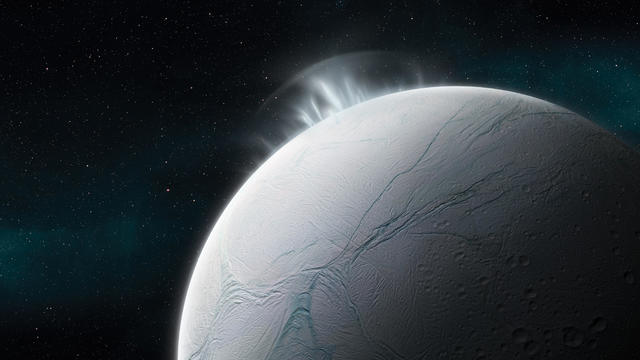
The new discovery makes Enceladus' ocean the only one outside of Earth known to contain all six elements needed for life.
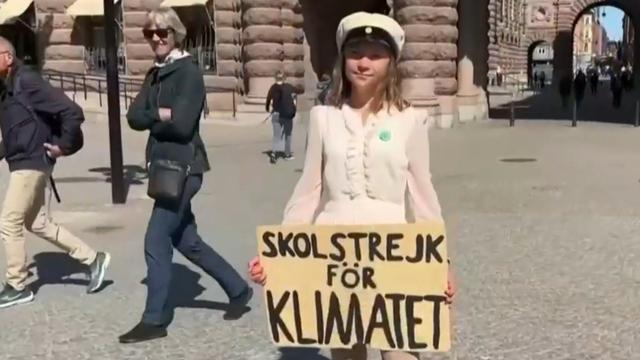
Swedish student activist Greta Thunberg has held her last high school walkout for climate change reform because she's graduating and can no longer participate. However, Thunberg says this will not be the end of her crusade. CBS News' Lana Zak and Elaine Quijano report.

A man in Bali built a recycled tiny house from 35,000 plastic bags and other waste. CBS News' Tina Kraus shows us how he did it, and the lasting impact he hopes it will make.
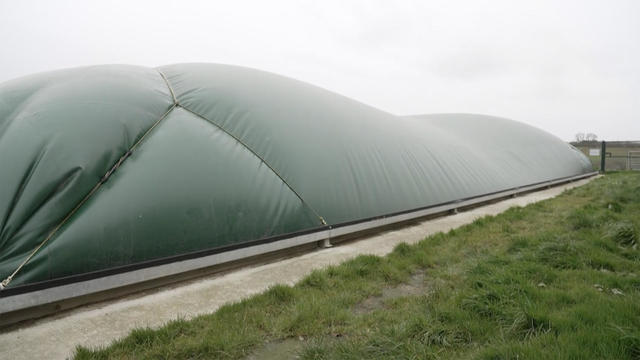
A new process turns cow waste into gas that can be used to power tractors, vehicles and more, and reduce the amount of harmful methane released into the atmosphere. CBS News correspondent Ian Lee reports on how the process works and what its future could be.
Make CBS News your source for innovative and solutions-oriented reporting on the climate, weather and all things Earth.
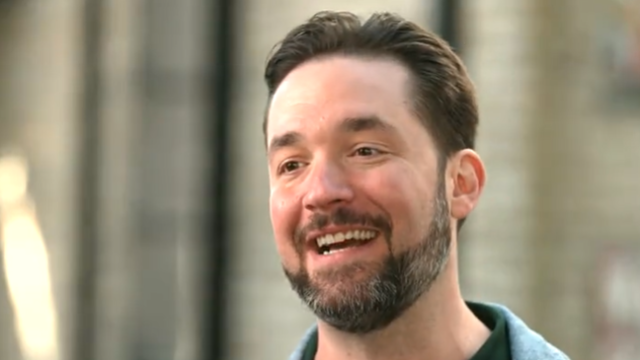
Alexis Ohanian spearheads a foundation that funds young entrepreneurs committed to addressing challenges associated with climate change.
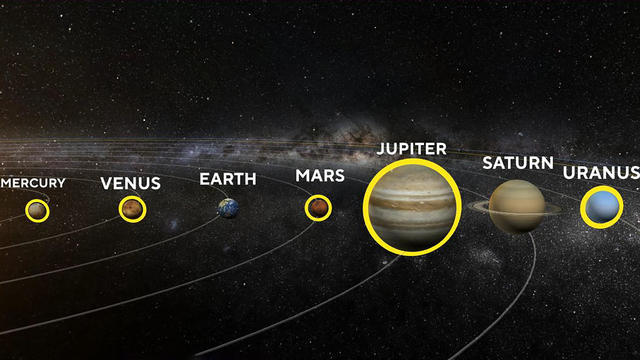
Five planets will be lining up in the sky in March and experts say the last Tuesday of the month will be the best night to see it. Senior CBS News space analyst Bill Harwood joins Errol Barnett and Lilia Luciano with more.
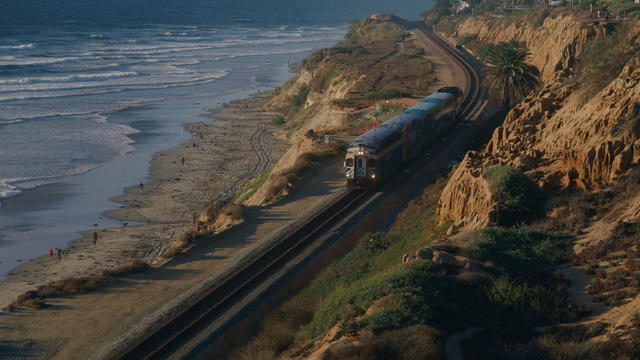
One of the problems with sea level rise is that it happens slowly, a tiny bit each year, making it a threat that people have an easy time ignoring. But some coastal communities are realizing they have to take action. CBS News environmental correspondent David Schechter reports.

In this episode of “Protecting the Planet,” CBS News senior environmental correspondent Ben Tracy explores how animals are being affected by climate change and human-created pollution in their habitats.

The space rock's anticipated trajectory places it at about half the distance to the moon, so people with telescopes may be able to see it from Earth.
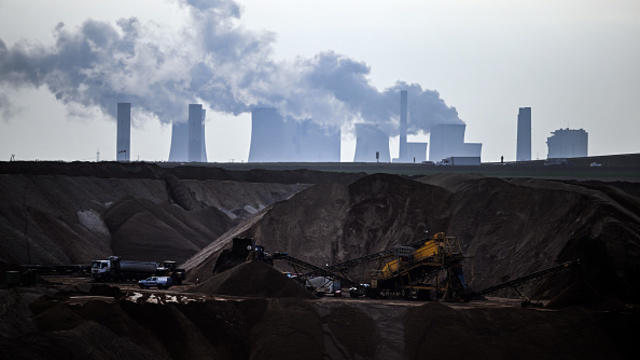
The world must take action to "defuse the climate time bomb," the United Nations secretary-general said as the U.N. released its latest report. "Prime Time" host John Dickerson discusses the warning with Mark Hertsgaard, co-founder and executive director of Covering Climate Now.

One astronomer said he believes there's about a "1 in 400 chance" the asteroid could impact Earth.
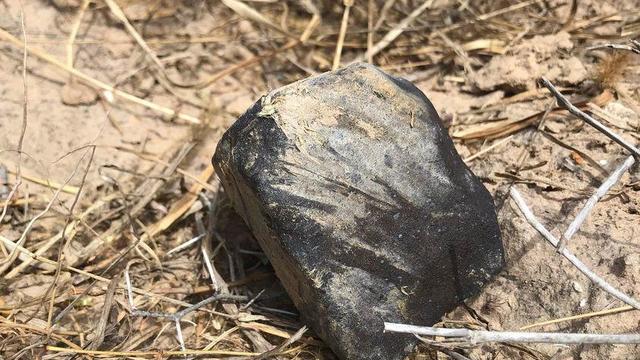
A meteor fragment has been found in El Sauz, Texas on private property.
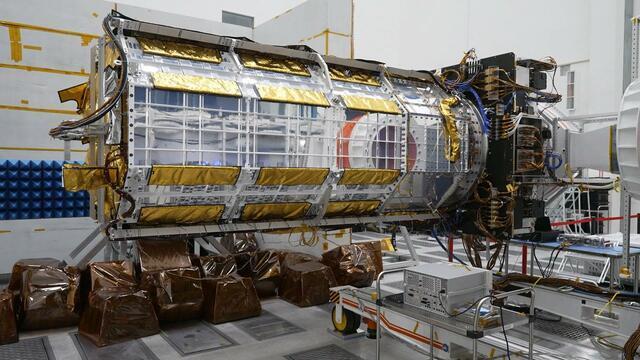
NASA's new Earth System Observatory consists of a series of five advanced satellite missions that will monitor nearly every aspect of Earth.
In case you missed it, a New Jersey restaurant banned kids under 10 and a Black Vietnam veteran finally got his Medal of Honor after a decades-long delay.
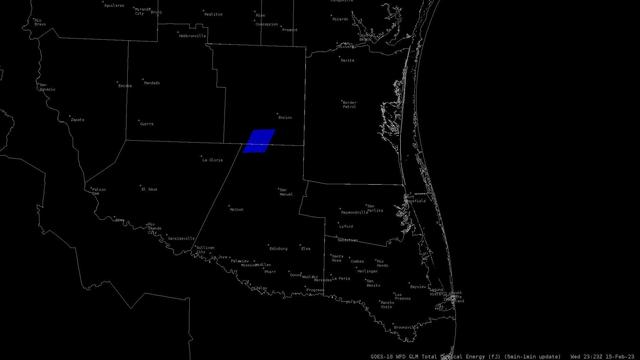
A mysterious object crashed into Texas this week, shaking neighborhoods near McAllen in the southern part of the state near its border with Mexico.

In case you missed it, tipping requests may be getting out of hand, and archaeologists learned a 17th century socialite was holding on to a golden secret.
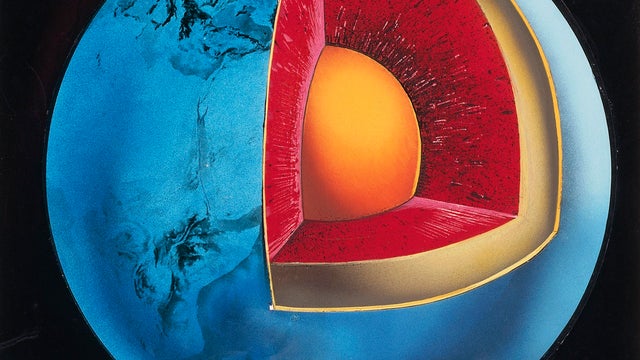
Exactly how the inner core rotates has been a matter of debate between scientists — and the latest research is expected to prove controversial.

Flow Traders: Driving efficiency in global financial markets
Voyager Space is powering the commercial space revolution.
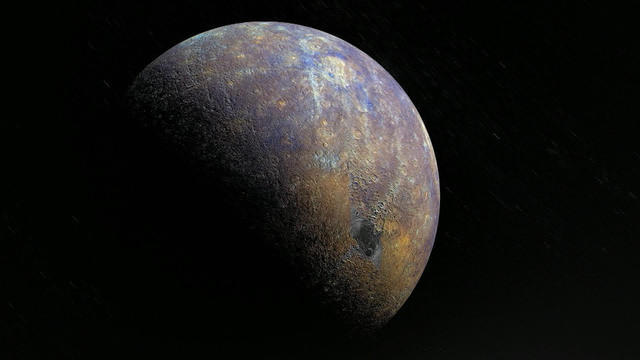
Mercury retrograde has become a popular explanation for why things here on Earth go wrong. "CBS Saturday Morning" co-host Dana Jacobson spoke to an astrologer and an astrophysicist about whether earthlings can blame a planet tens of millions of miles away for what happens to them.
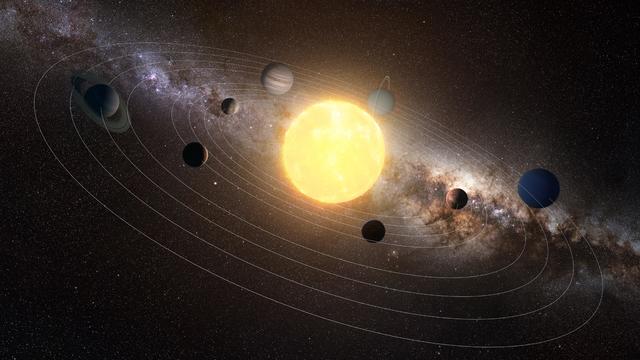
The astronomical phenomenon gave skywatchers a good view of Mercury, Venus, Mars, Jupiter and Saturn with the naked eye.
Adventurer Victor Vescovo, who's dived to the deepest spot in all the Earth's oceans and who's blasted into suborbital space, discusses his adventures with CBS News correspondent Lee Cowan.
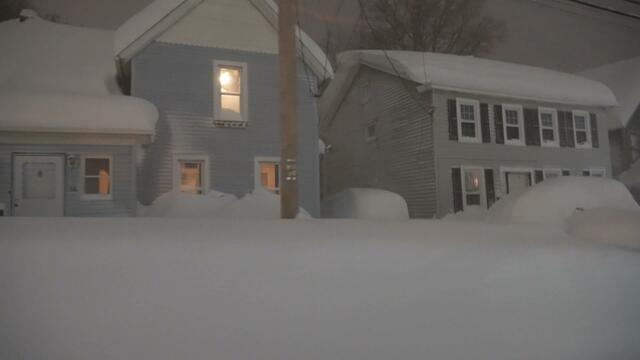
A powerful and deadly lake-effect snowstorm is pounding parts of the Great Lakes area, including western New York. CBS News correspondent Tanya Rivero has more.