The moments that shaped 2020
2020 will be a year remembered for the profound ways it has changed the nation. Here's a look back at some of the pivotal moments that shaped the year.
Watch CBS News
2020 will be a year remembered for the profound ways it has changed the nation. Here's a look back at some of the pivotal moments that shaped the year.
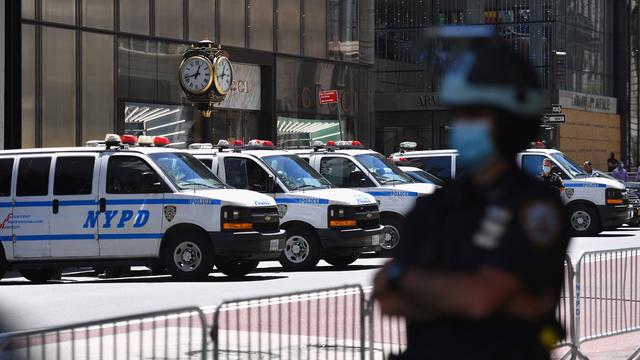
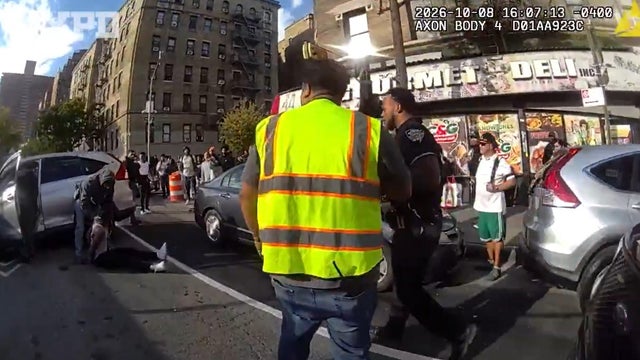
The NYPD resorted to aggressive disorder control methods that stoked tensions, the city's inspector general said.
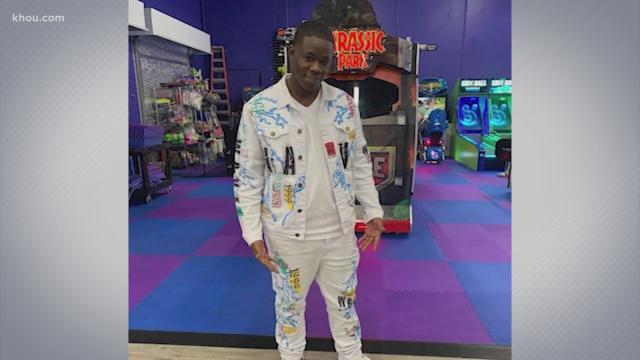
Attorney Ben Crump said Joshua Feast was shot in the back while fleeing an officer; investigators said Feast pointed a gun.
Money will go to mental health and other programs. But City Council keeps staffing levels where they are to avert mayor's threatened veto.
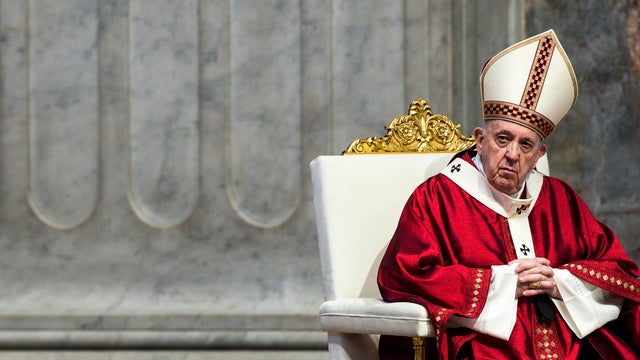
The pope also addresses the coronavirus pandemic and criticized people who protested preventative guidelines in his new book.
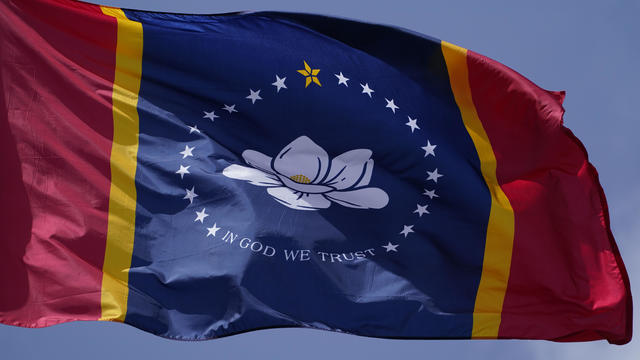
Mississippi was the last state whose flag contained the confederate battle cross until a House Bill was adopted removing it.
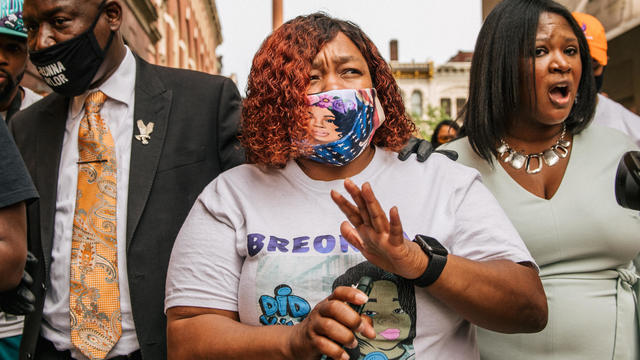
The families of 2020s most high profile police violence cases are banding together for a Chicago voting rally on Thursday.
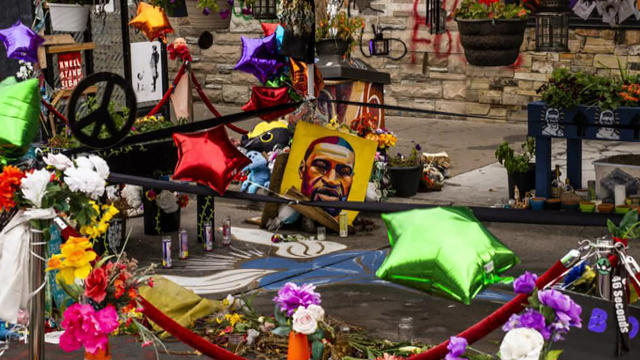
The death of George Floyd in Minneapolis police custody on Memorial Day sparked nationwide protests that continue to this day and drew widespread attention to issues of systemic racism. Robert Samuels, national political reporter for The Washington Post, joins CBSN to talk about his recent in-depth article, "Racism's hidden toll," which looks at the mark that discrimination made on George Floyd's life before his fateful encounter with police.
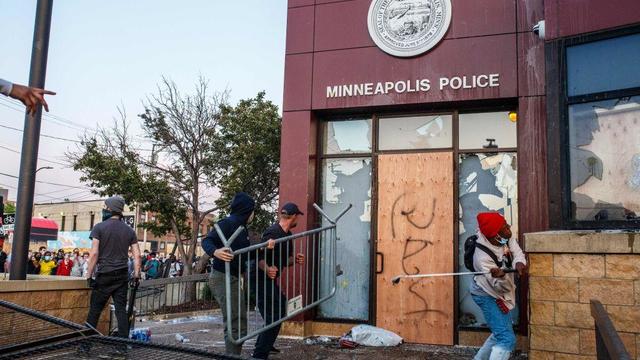
Ivan Harrison Hunter, a self-described member of far-right group Boogaloo Bois, has been charged with one count of rioting
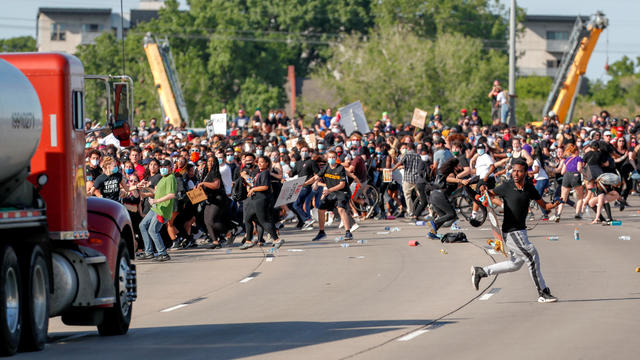
A tanker truck was seen approaching thousands of George Floyd protesters as they tried to frantically get out of the way during the incident earlier this summer.
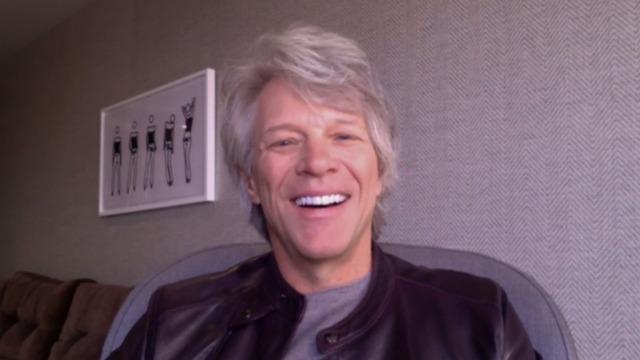
Grammy award-winning band Bon Jovi recently released its highly anticipated new album. Rock icon Jon Bon Jovi discusses how the pandemic and the death of George Floyd inspired the songs on the band's most topical record to date, "2020."
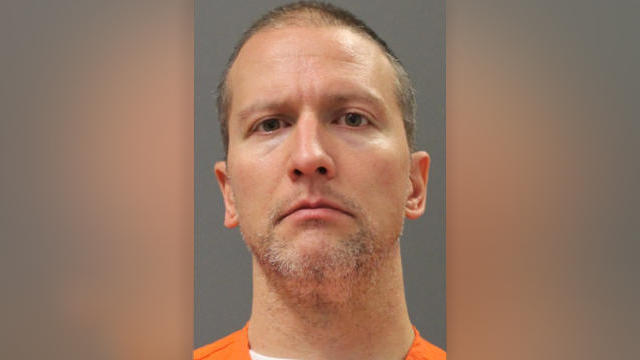
Chauvin may now leave Minnesota before his trial in George Floyd's death due to "safety concerns," a judge said.
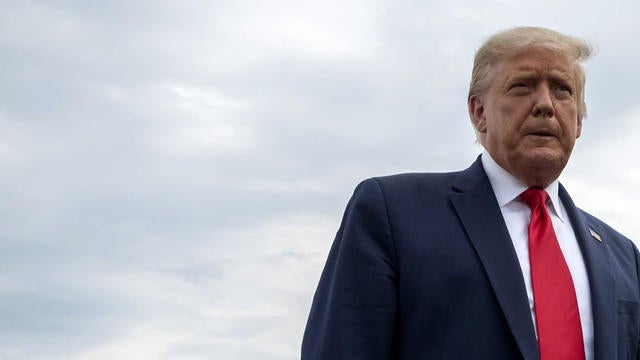
In a conversation with journalist Bob Woodward following the death of George Floyd, President Trump dismisses Woodward's question on white privilege responding that Woodward "really drank the Kool-Aid." Hear more from Woodward about his interview with the president, Sunday on 60 Minutes.
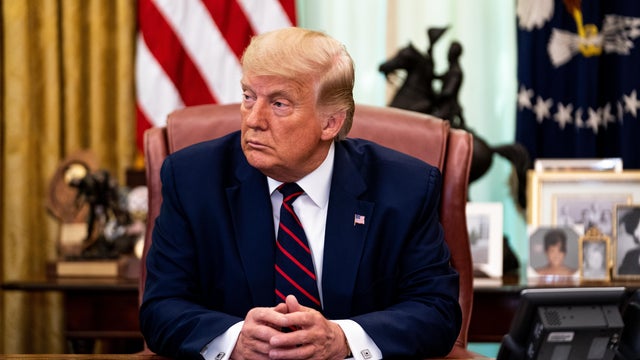
In a conversation with journalist Bob Woodward, President Trump dismisses Woodward's question on white privilege.
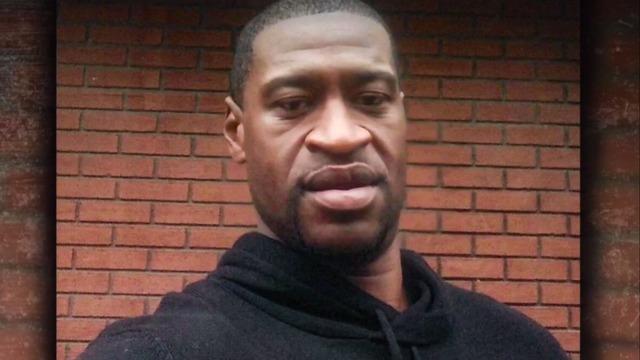
Floyd's attorney said the letter did not specify what information was accessed.

From murals to portraits to photographs, a new wave of protest art is emerging across the country. Anthony Mason spoke to artists Nikkolas Smith and Georgie Nakima who are trying to awaken the social consciousness and seek solidarity through creativity.
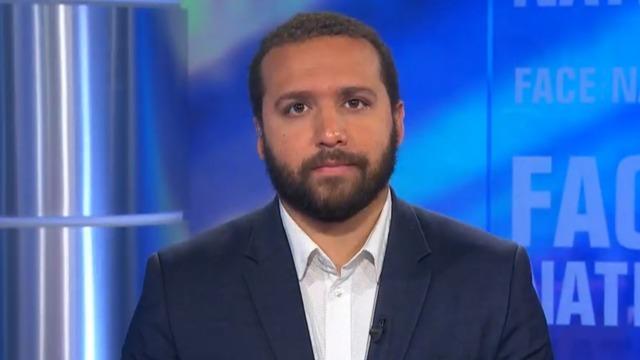
"60 in 6" correspondent Wes Lowery on the ongoing fight against injustice in America.
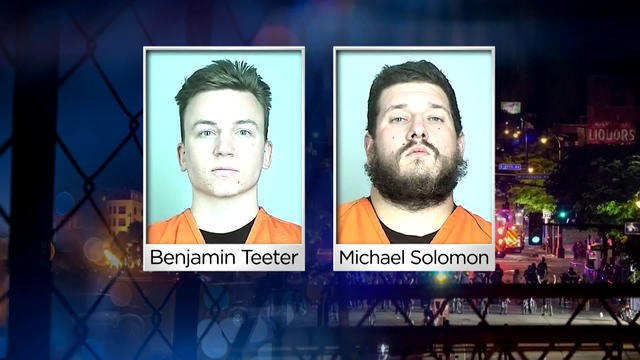
The Justice Department said the FBI initiated the investigation into Solomon and Teeter during protests in Minneapolis after George Floyd's death.
Police bodycam footage of the death of Daniel Prude in Rochester, New York, was released not by the police department but by his family's lawyers. That's one of the many incidents leading to scrutiny of police public relations units. Maya Lau of the Los Angeles Times joined CBSN to discuss how police PR departments often shape the narrative of criminal justice stories.
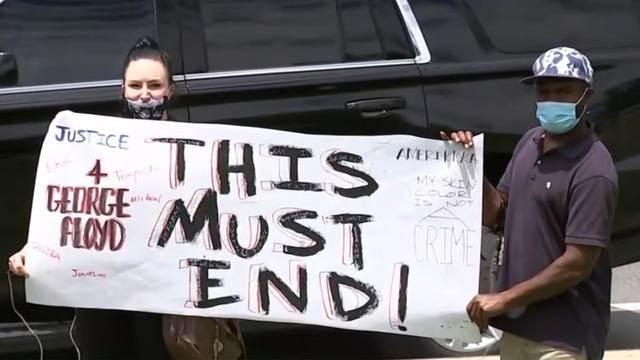
The death of George Floyd at the hands of Minneapolis police sparked protests nationwide against police brutality and racial injustice. CBS News' Brandi Kellam spoke with local leaders in Minneapolis to find out what has changed in their community outreach in the aftermath of Floyd's death.
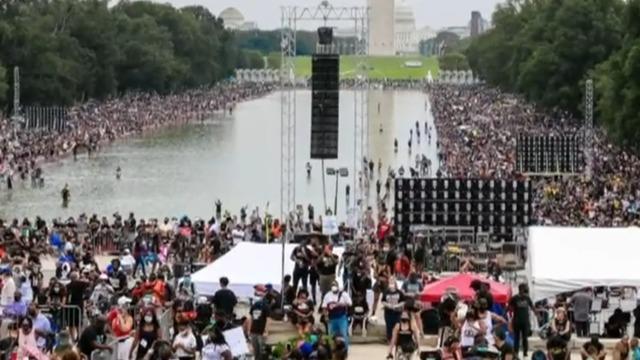
Fifty-seven years after Martin Luther King Jr.'s "I Have a Dream" speech at the March on Washington, the families of Black Americans shot or killed by police officers joined civil rights activists for an anniversary demonstration Friday at the Lincoln Memorial in Washington D.C. Judith Browne Dianis, executive director of the Advancement Project, joins CBSN to discuss the significance of this year's protest.
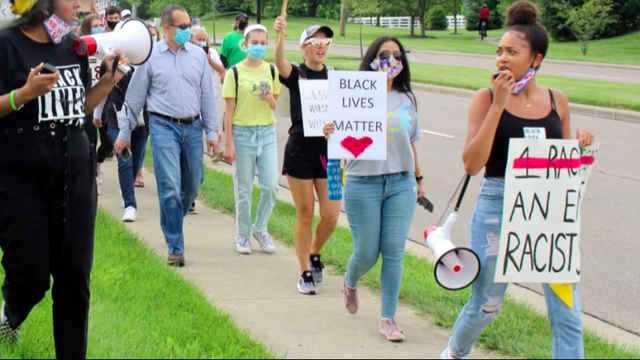
The civil rights movement of the 1960s had giants like John Lewis and MLK at its helm. Today's movement is characterized by young female activists commanding the microphone in a way they never have before.
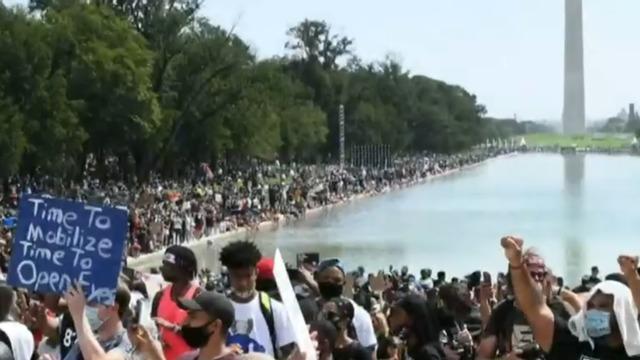
Fifty-seven years after Dr. Martin Luther King Jr. delivered his "I Have a Dream" speech at the first March on Washington, thousands gathered once again at the nation's capital to demand racial justice and police reform. Dr. Peniel Joseph, founding director of the Center for the Study of Race and Democracy at the LBJ School at the University of Texas, joins CBSN's Lana Zak to discuss how the foundations laid by civil rights leaders in 1963 helped shape today's demonstration.
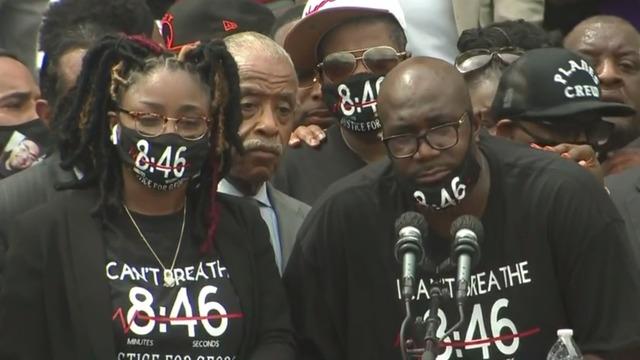
"I wish George were here to see this right now," George Floyd's brother, Philonise Floyd, told the crowd at the March on Washington for racial justice and police reform. "We have to be the change," his sister, Bridgett Floyd, said. Watch their emotional remarks.
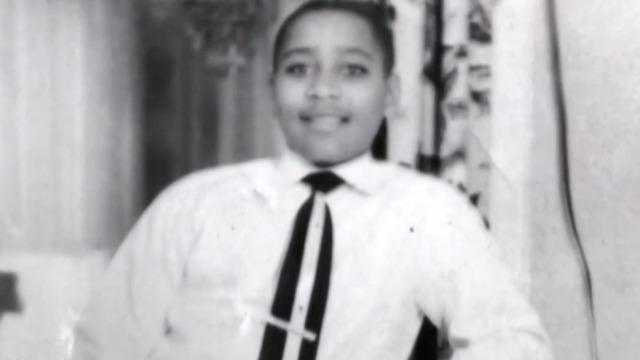
It's been 65 years since Emmett Till, a Black teenager, was brutally killed by two White men after he was accused of whistling at a White woman in Mississippi. As part of the CBSN special "The Power of August," Vladimir Duthiers takes a closer look at the movements that were sparked by Till's death in 1955, and George Floyd's murder decades later.