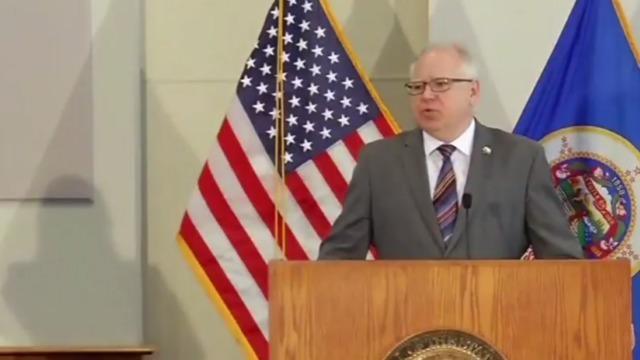
Minnesota's sweeping police reform plan
Minnesota's governor unveiled a package of police reforms Thursday, including limits to the use of force as well as changes to the way police are trained and prosecuted. Jeff Pegues has the details.
Watch CBS News
Minnesota's governor unveiled a package of police reforms Thursday, including limits to the use of force as well as changes to the way police are trained and prosecuted. Jeff Pegues has the details.
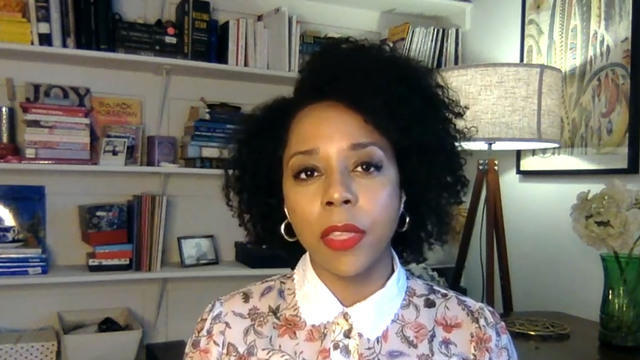
George Floyd's brother, Philonise Floyd, went before a congressional committee on police brutality and delivered an emotional opening statement advocating for reform. Former Bernie Sanders National Press Secretary Briahna Joy Gray joins the CBSN special, "Red & Blue: State of Our Union," to discuss police reform and what next steps look like to enact such changes.
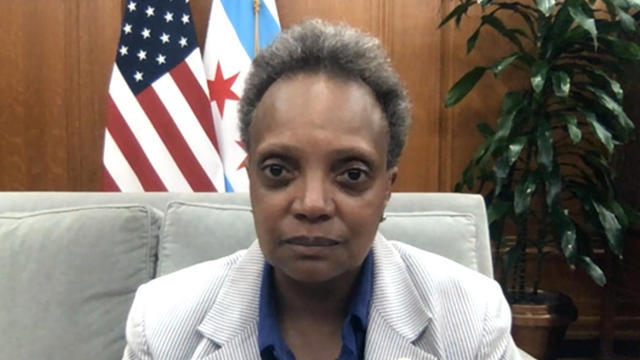
Chicago Mayor Lori Lightfoot, the former head of the Chicago Police Board, is spearheading an initiative among mayors to devise a set of guidelines to address police violence and patterns of racial discrimination. In an interview with Elaine Quijano for the CBSN special, "Red & Blue: State of Our Union," Lightfoot said "we've got to be bold" when it comes to police reform.
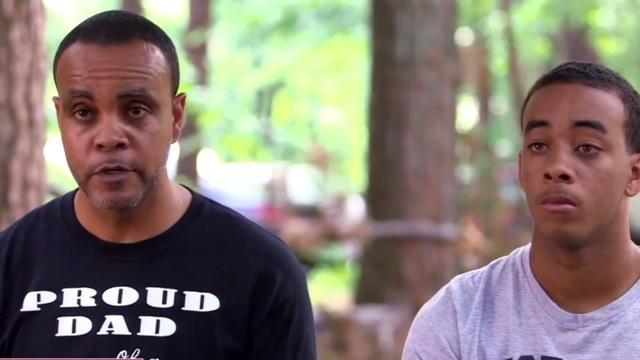
"The talk" between black parents and their children is happening across the country as protests continue over racial inequality and police brutality. Mark Strassmann has the story of a father and son who are taking that conversation beyond the walls of their home.

There's a growing movement to remove the names of Confederate generals from 10 Army bases. David Martin takes a look.
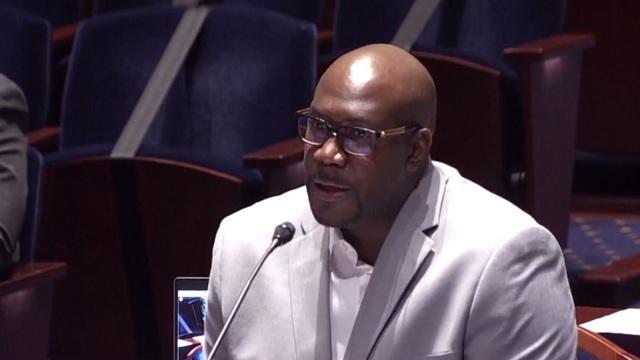
Philonise Floyd, the brother of George Floyd, pleaded with Congress on Wednesday, to act and deliver justice for victims of police brutality. His testimony came as part of the Justice in Policing Act that House Democrats hope to pass in the next two weeks. Nancy Cordes has the latest.
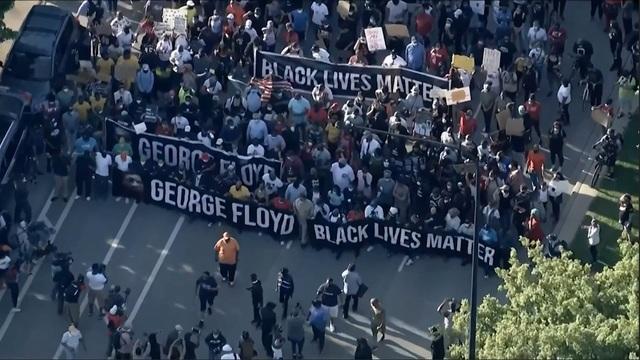
Demonstrations have erupted across the country in response to the killing of George Floyd. Protesters reveal why they're proud to be out there.
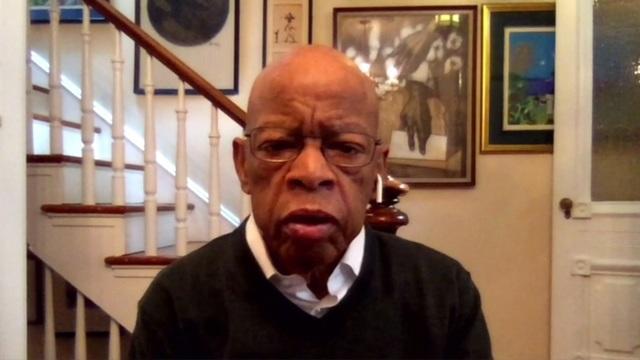
Congressman John Lewis is a champion and leading figure of the civil rights movement. He marched alongside Dr. Martin Luther King, Jr. and was repeatedly beaten and arrested during nonviolent protests for racial equality. Congressman Lewis joins "CBS This Morning" for his first network TV interview since the protests over the death of George Floyd began, to share his message of hope to protesters.

Thousands gather to honor George Floyd; House Dems unveil police reform bill
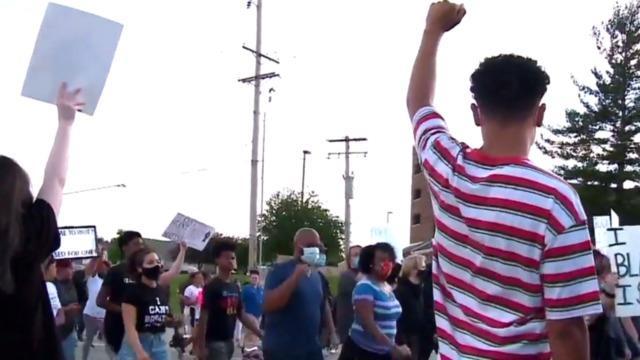
There's a new generation of activists picking up the torch and taking on civil rights issues. Jim Axelrod spoke with two young men about their work and their hopes for the future.
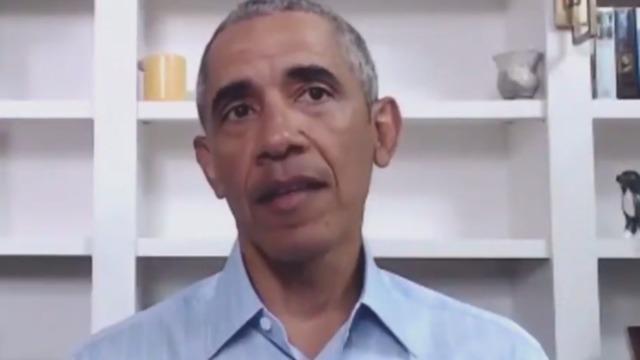
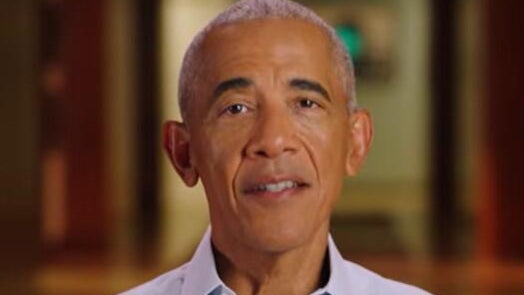
Former President Barack Obama weighed in on the death of George Floyd. In a virtual town hall, he urged young people to use their talents to effect change as the nation endures more protests. Ed O'Keefe reports.
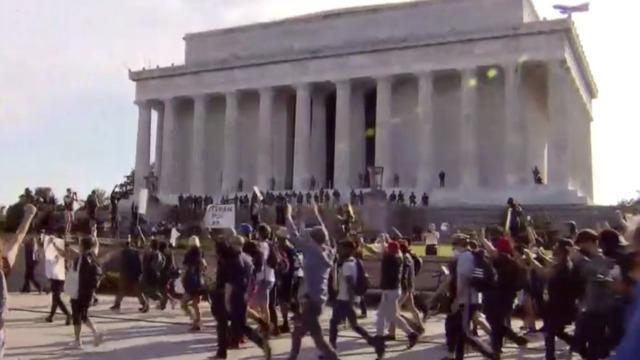
There was relief in New York City as protesters learned that all four ex-police officers involved in George Floyd's death will face criminal charges. Kris Van Cleave reports.
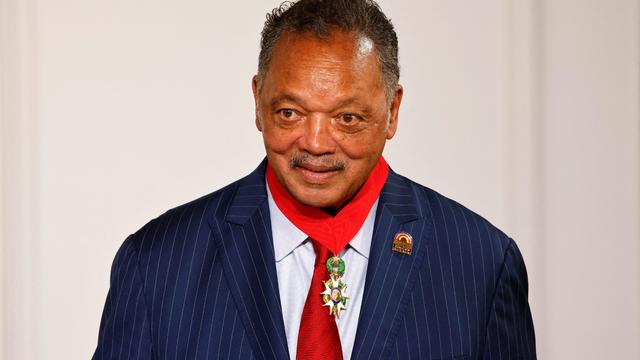
The 79-year-old spent nearly a month in treatment.
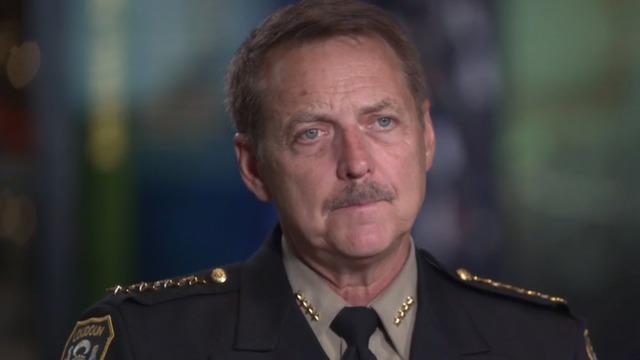
The U.S. has had a long, fascinating and challenging history with law enforcement -- both trying to build it up and change it. To get a better sense of how the country has ended up at this moment of tension and unrest between activists and police, Jeff Glor traveled to a place at the center of police history to see what's evolved, and what many believe still needs to.
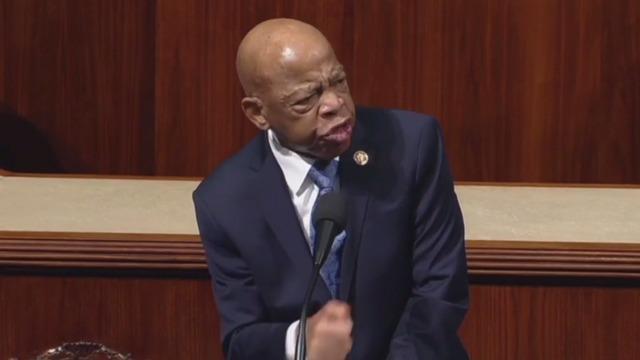
Civil rights icon Congressman John Lewis died last week at age of 80. Lewis was a leader of the freedom riders, and a protege of Martin Luther King Junior. He often faced arrest and violence during his fight against racial segregation. Lewis's body left Atlanta Saturday morning, and is now on its way to Alabama. Michelle Miller reports from Selma.
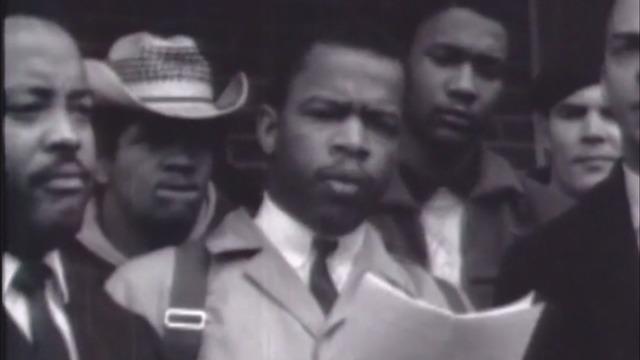
Congressman John Lewis, a leader of the Freedom Riders who would go on to be a prominent leader of the 1960s Civil Rights Movement alongside Dr. Martin Luther King Jr., died last week at age 80. A week-long celebration of Lewis begins in Alabama.

Derek Chauvin, the former Minneapolis police officer convicted of murder in the death of George Floyd, pleaded not guilty to violating the civil rights of a teenager in a separate 2017 case that involved a restraint similar to the one used on Floyd. Read more here.
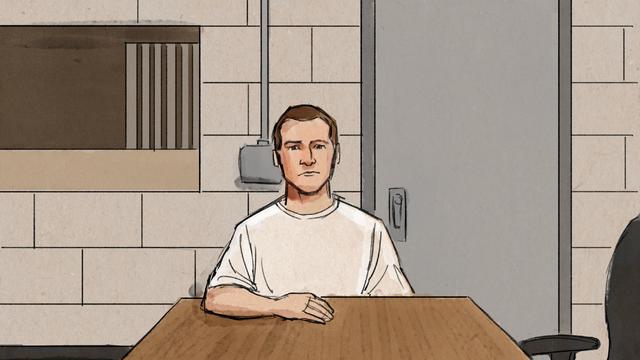
Chauvin allegedly held the 14-year-old by the throat, hit him in the head with a flashlight and held his knee on the boy's neck and while he was prone, handcuffed and not resisting.
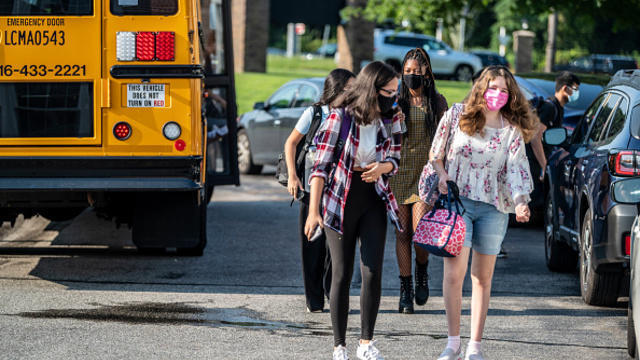
The Department of Education's Office of Civil Rights says five states' bans on school mask mandates may violate the civil rights of students with disabilities. Meanwhile, the House of Representatives' January 6 commission is preparing to request the phone records of hundreds of people related to the U.S. Capitol attack. CBS News legal analyst and professor at Loyola Law School Jessica Levinson joins CBSN's "Red & Blue" to discuss.
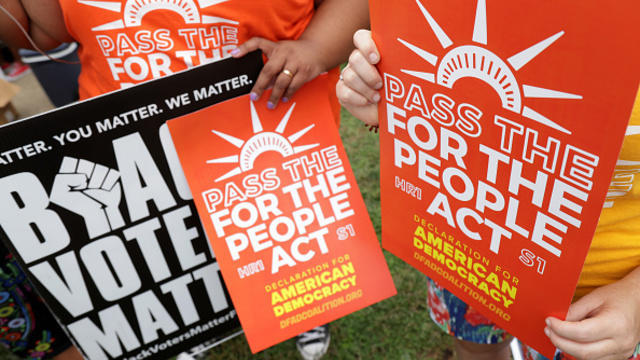
Activists are planning to protest against voter suppression on the 58th anniversary of the March on Washington. It comes as the House of Representatives plans on passing the John Lewis Voting Rights Advancement Act. Co-founder and executive director of Black Voters Matter Cliff Albright joined CBSN's Elaine Quijano to discuss.
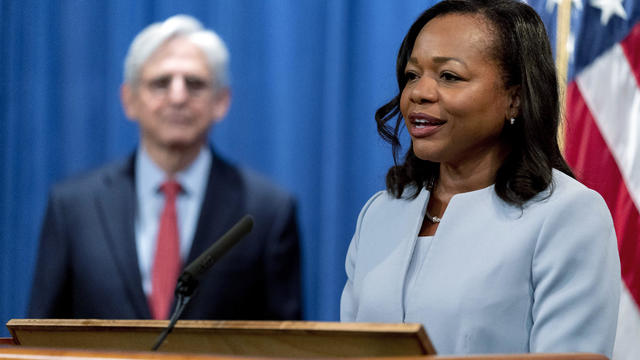
The federal probe will look at officer uses of force and "sweeps" targeting the belongings of people experiencing homelessness.
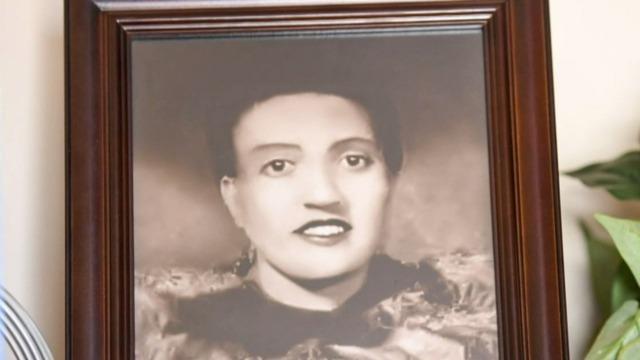
More than 70 years after Henrietta Lacks' death, a lawsuit has been filed on her behalf about the cells that were taken without her consent. Civil rights attorney Ben Crump and the Lacks family join CBSN with more.
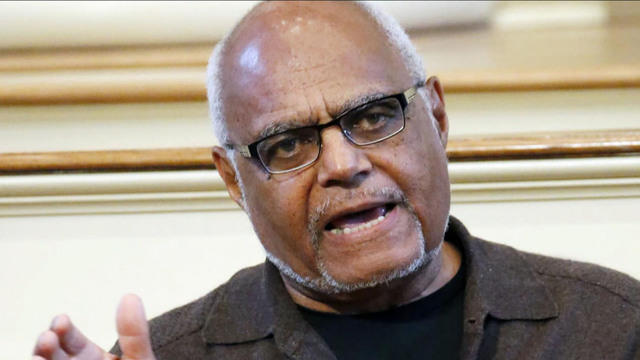
Civil rights activist Bob Moses, who endured beatings and jail while registering thousands of Black voters in the South during the '60s and later helped underserved students succeed in math, has died at the age of 86.
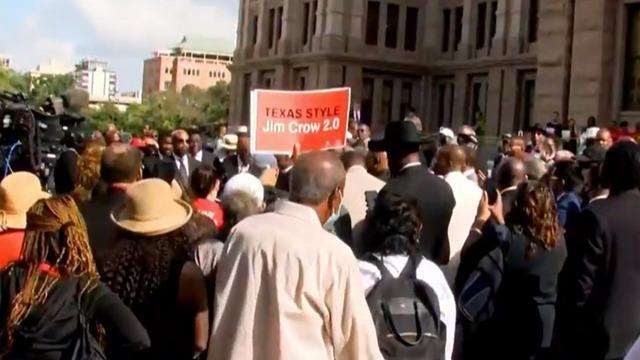
Since the November elections, 17 states have enacted new laws that tighten rules around casting ballots and running elections. One of those states is Texas, where Democrats and some faith leaders are fighting more changes. Rodney Hawkins reports.
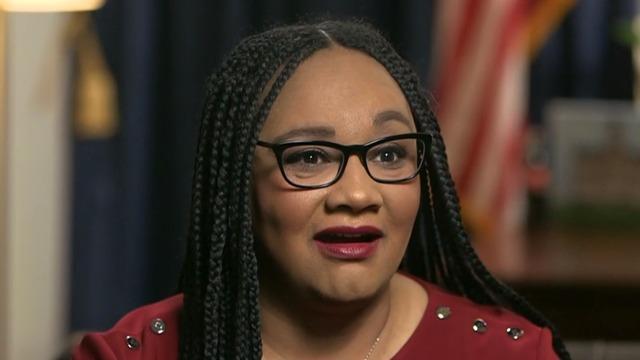
This Saturday marks the one-year anniversary of the death of former congressman and civil rights icon John Lewis. But his successor, Congresswoman Nikema Williams, is determined to carry on Lewis' legacy by continuing to get into "good trouble." Nikole Killion has more.