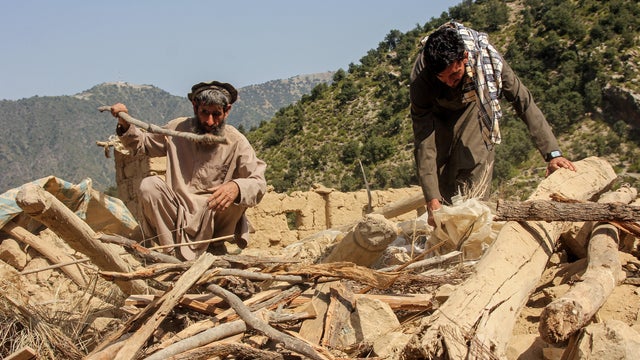
Pakistani airstrikes kill 10 civilians in Afghanistan, U.N. mission says
Pakistan says airstrikes in Afghanistan killed 22 terrorists, but Afghanistan's Taliban regime and the U.N. mission in the country say mostly children were killed.
Watch CBS News
Pakistan says airstrikes in Afghanistan killed 22 terrorists, but Afghanistan's Taliban regime and the U.N. mission in the country say mostly children were killed.
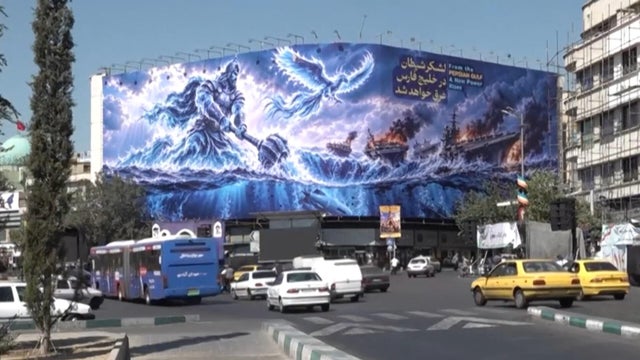
A new book, "The Cauldron: The Making of the Modern Middle East, explores how the region got to such a level of instability. The book's author, Simon Sebag Montefiore, joins "The Takeout" to discuss.
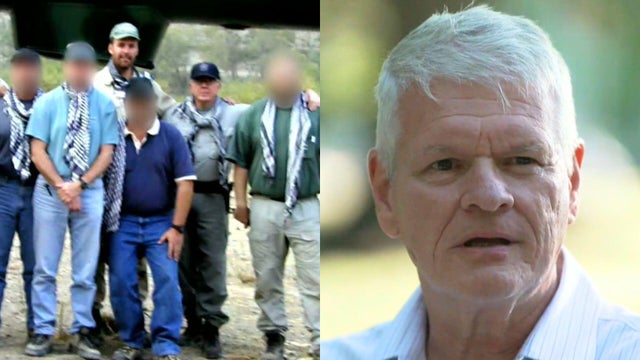
Saturday marks exactly 25 years since the first CIA officers entered Afghanistan in the aftermath of 9/11. Olivia Gazis got a rare look inside the mission to shore up the Northern Alliance as America prepared to go to war.
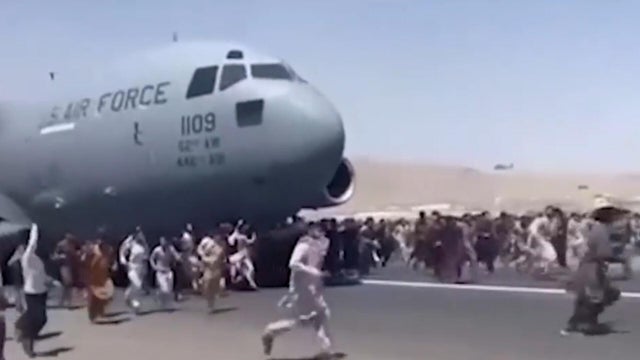
Diana Kapp is co-author of "The Last Free Women," which details the bravery of women who escaped the Taliban regime to build new lives in America. She and Mursal Rahim, one of the Afghan refugees featured in the book, join "The Daily Report" to discuss their stories.
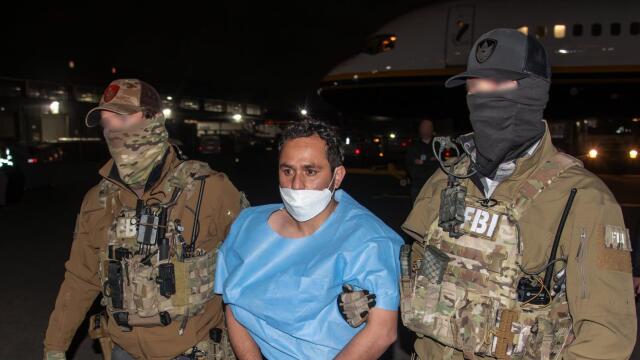
An Islamic State group member was sentenced to 20 years in prison for aiding the terrorist organization that took credit for a suicide bombing that killed 13 U.S. service members and about 160 Afghans at a Kabul airport.
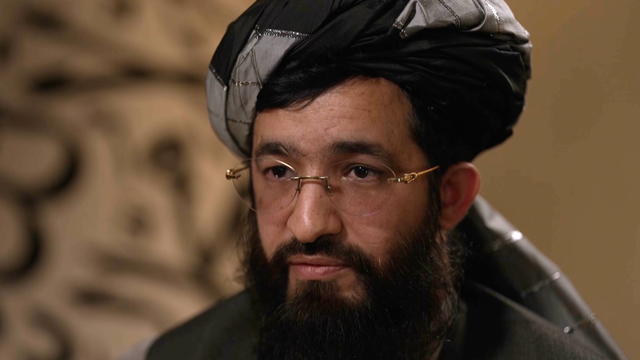
CBS News' Imtiaz Tyab sits down with Taliban spokesperson Abdul Qahar Balkhi, five years after the group's return to power in Afghanistan. They discuss the Taliban's claims of peace and stability, the country's ongoing humanitarian crisis and restrictions on women and girls, as well as U.S. military hardware, frozen assets, future U.S.-Afghanistan relations and lessons from two decades of war.

Imtiaz Tyab returned to Afghanistan, 25 years after 9/11, to report on what life is like there today, under Taliban rule.

CBS News' Imtiaz Tyab reports from Kabul, Afghanistan, on what life is like there 25 years after 9/11.
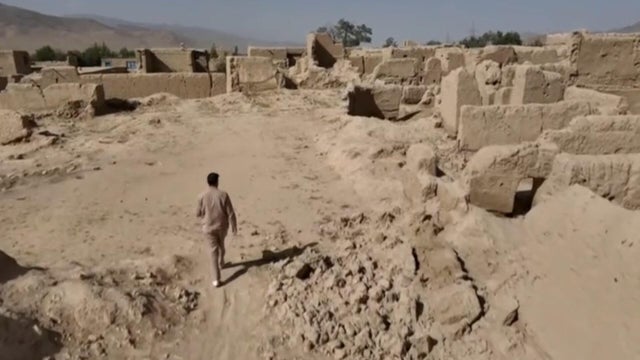
Most of the fighting during the nearly 20-year war between the U.S. and the Taliban that followed the 9/11 terrorist attacks was in rural Afghanistan. CBS News senior foreign correspondent Imtiaz Tyab traveled to those provinces to see what life is like there now.

After terrorists attacked the United States on Sept. 11, 2001, America's attention turned fully to the group's leader, Osama bin Laden, and his Al Qaeda network, which had found protection in Afghanistan. Correspondent Allen Pizzey reports on a country already devastated by more than 20 years of continuous warfare, which was anticipating further retaliation by Washington, in a story that originally aired Sept. 16, 2001. Pizzey also talks with Vicky and Mark Timlin, of the charity Hope Worldwide, whose head office ordered them to leave Afghanistan following the attacks on the World Trade Center and the Pentagon.
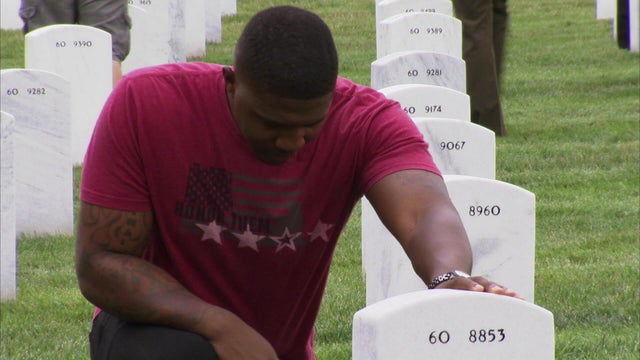
Members of a U.S. Marines unit which suffered high casualties in the Afghanistan War share the struggles they faced when returning to civilian life, and the PTSD they dealt with years after war.
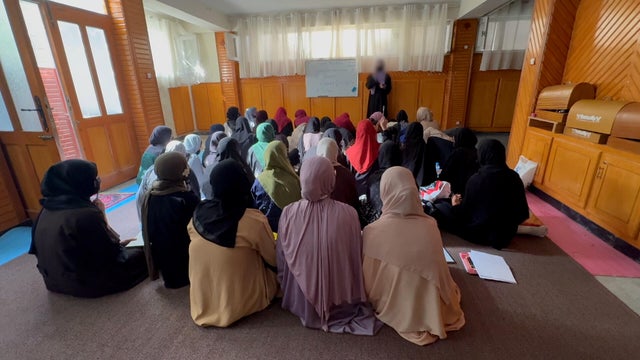
21 Afghan girls, bravely defying the Taliban by continuing to study, handed CBS News letters containing their stifled, often humble dreams "for an ordinary life."
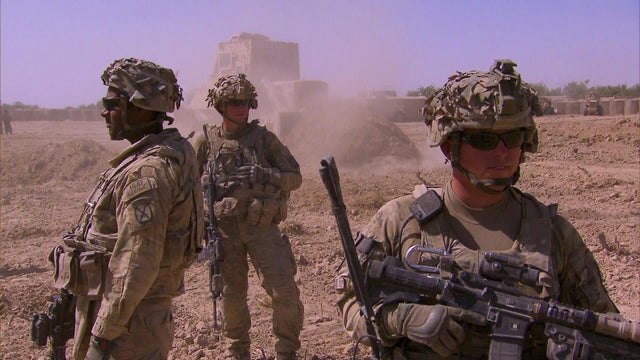
In 2011, 60 Minutes reported on the U.S. military strategy and operations during the Afghanistan War.
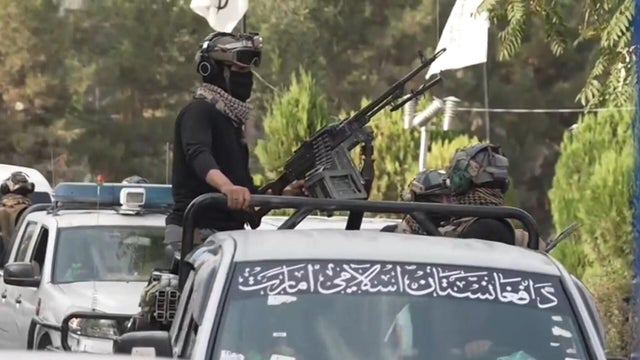
The Taliban is using U.S. military equipment that was left behind when the U.S. withdrew from Afghanistan five years ago. CBS News' Imtiaz Tyab reports.
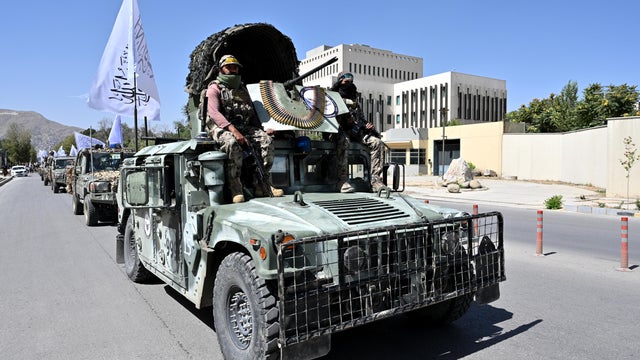
CBS News finds Taliban forces patrolling Kabul in American armored vehicles, wearing American tactical gear and carrying American weapons.
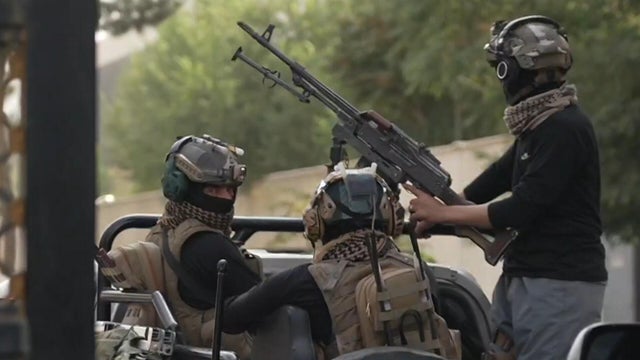
The 9/11 terror attacks, 25 years ago this week, were planned from inside the Taliban-controlled country of Afghanistan; a country that tonight is not only back under Taliban control, but with Taliban fighters carrying American weapons and driving around in American vehicles. CBS News' Imtiaz Tyab reports from Kabul.
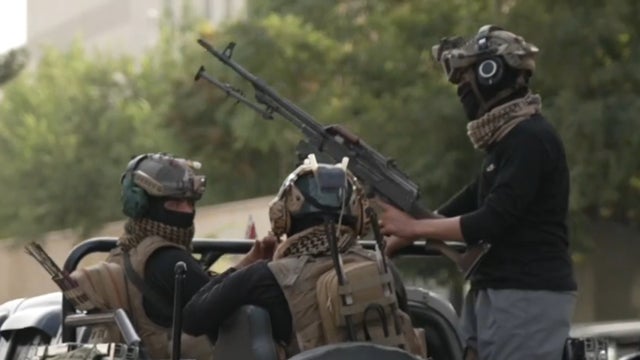
The Taliban remains in control of Afghanistan, using American weapons and gear that were left there after the U.S. pulled out in 2021.
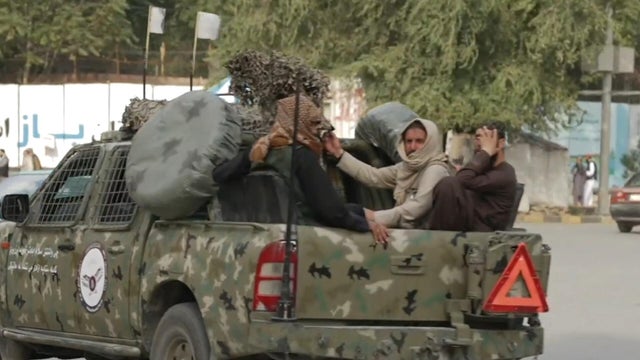
Imtiaz Tyab reports on how the Taliban remains in control of Afghanistan 25 years after the 9/11 attacks with the help of American gear and machinery.
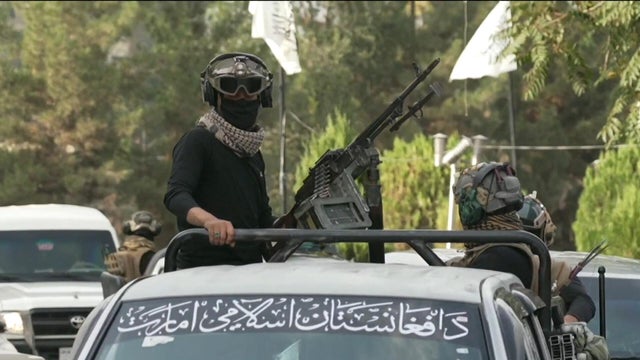
Twenty-five years after 9/11 began America's longest war, and five years after it ended, the Taliban is firmly back in control in Afghanistan. Imtiaz Tyab in Kabul with a look back on America's longest war.
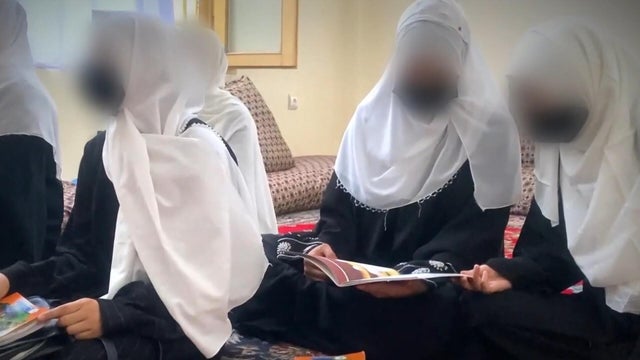
The Taliban has banned secondary education for girls, but there are some educators running secret schools for girls. Senior foreign correspondent Imtiaz Tyab looks into how girls are learning in the shadows.
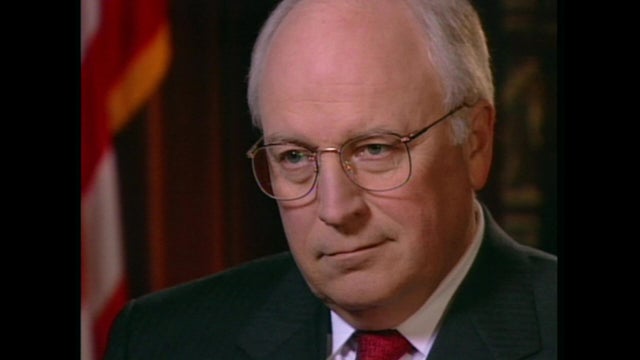
In November of 2001, Dick Cheney, then vice president, addressed the Afghanistan war, saying the U.S. was prepared to do "whatever's necessary" after the 9/11 terror attacks.
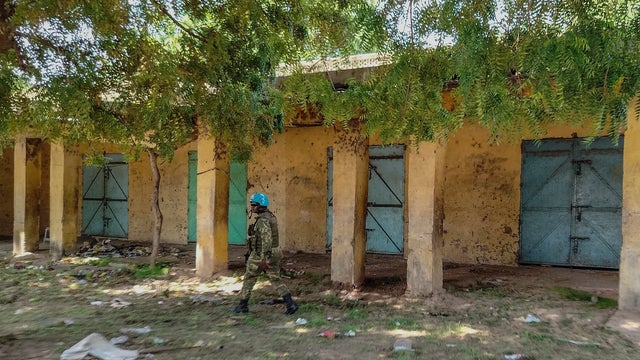
Over a 10-day period, the Trump administration sent more than 100 deportees from Afghanistan, Cuba and other nations to eight countries across Africa, according to internal government documents obtained by CBS News.

This week on "Face the Nation with Margaret Brennan," Sen. Richard Blumenthal, who is recently back from the Ukraine region, joins to discuss the latest. Plus, with five years having passed since the U.S. withdrawal from Afghanistan, a former Afghan general shares his story of the dramatic flight from the country.
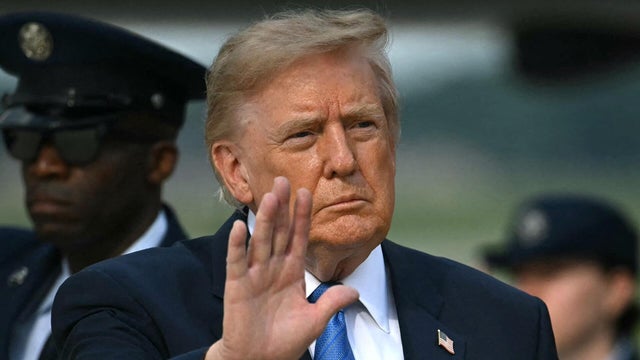
Friday marks six months since the start of the Iran war. When it began, President Trump said it would last six weeks. CBS News chief foreign affairs correspondent and "Face the Nation" moderator Margaret Brennan joins with analysis.
Iran war hits 6-month mark with negotiations stalled; Lindsay Clancy jury ends Day 2 of deliberations without a verdict.