Sunday 9AM ET on CBS
11AM ET on the CBS News app
Sunday 9AM ET on CBS
11AM ET on the CBS News app
Watch CBS News

A Betsey Johnson fashion show can seem a bit like a three-ring circus with as much action behind-the-scenes as there is on the runway. And every show concludes with Johnson's signature move: A cartwheel on the runway. It's no small feat for the 74-year-old. Since the 1960s, the maniacally free-spirited designer's clothes have been the uniform for folks that didn't want to look like everyone else. Serena Altschul gets a glimpse into Johnson's world.

Architect Hugh Hardy has renewed and restored many of New York City's best-known landmarks and public spaces, from the New Amsterdam and New Victory Theatres near Times Square, to the fabled Radio City Music Hall. As he explained to Rita Braver, he did not try to alter the Music Hall's Art Deco-era design. "Nobody could be so arrogant as to think they can improve Radio City. It can't be done!" he said. Originally broadcast October 3, 1999.

The brilliant lights of Sin City have marked an oasis in the Nevada Desert since the 1930s, when Las Vegas first became synonymous with gambling, entertainment and nightlife. Correspondent Larry Bowen talks with architectural historian Alan Hess and casino owner Steve Wynn about the city that never stops reinventing (and rebuilding) itself. Originally broadcast on "Sunday Morning" on December 24, 1993.
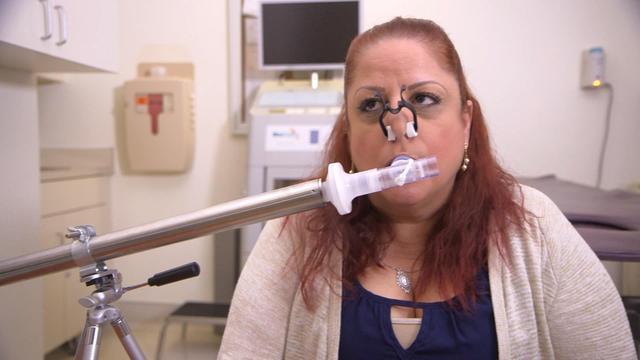
Researchers have learned that certain cancers alter human breath. Now they are exploring the possibility of using a breath test as a simple diagnostic tool for cancer. Susan Spencer reports.
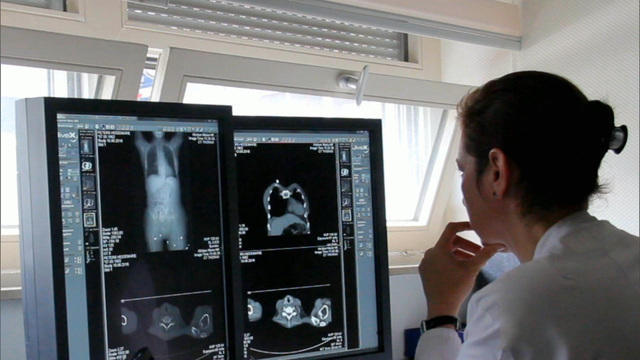
No one wants to hear that six-letter word, and if you have it, you just want to get rid of it as quickly as possible. The desire for aggressive treatment is understandable. However, when it comes to how we treat cancer, the pendulum is swinging, with an increasing number of medical professionals now saying we over-diagnose - and consequently over-treat - patients. Barry Petersen reports.
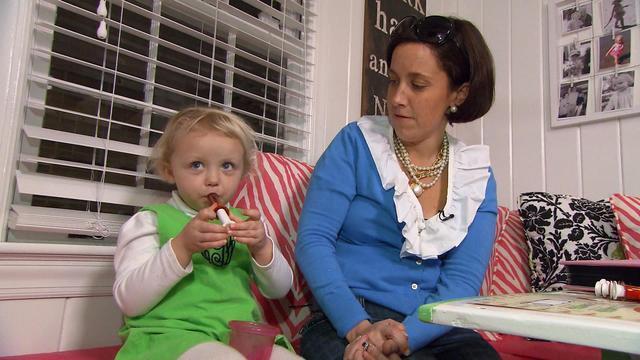
They're miracles in small packages. Nearly 16,000 kids worldwide are diagnosed with cancer every year, but their odds of beating it have never been better. Tracy Smith reports on the advances being made against pediatric cancers, made possible in part by the fundraising of charities like Alex's Lemonade Stand Foundation.
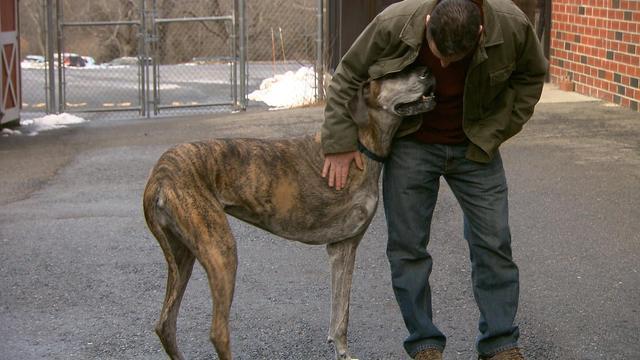
Comparative oncology, a rapidly-growing field of cancer research, pairs veterinarians with human doctors in the fight against cancer. Because certain cancers in dogs and people share striking similarities, the hope is that a new treatment for dogs, if successful, could be applied to people, too. Susan Spencer reports.

Some women who have lost breasts to cancer have chosen to deal with their loss in a fashion that is sparking conversations, and controversy. They call it "going flat." Instead of reconstructing their bodies with surgical implants, they are embracing their scars, and even baring them in defiance of the disease. Erin Moriarty of "48 Hours" reports.
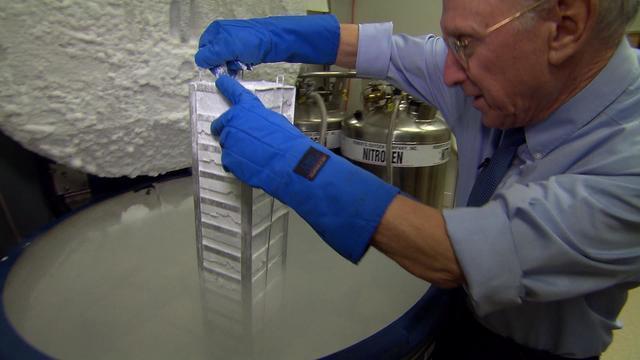
Dr. Jon LaPook introduces us to the next frontier of cancer treatment: immunotherapy, in which the body's own immune system is genetically modified to detect and destroy cancer cells.

The country's roads, bridges and airports are in dire need of work - but where will the money come from? Correspondent Kris Van Cleave examines how city, state and federal governments are debating how to pay for improvements in our transportation infrastructure, from raising gasoline taxes to using private money to build costly-to-drive toll roads.