Sunday 9AM ET on CBS
11AM ET on the CBS News app
Sunday 9AM ET on CBS
11AM ET on the CBS News app
Watch CBS News
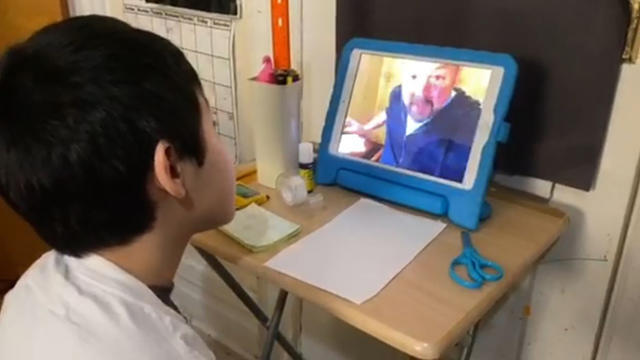
Lights are out at theaters and museums around the country due to the coronavirus pandemic. But arts organizations are finding ways to stay connected, even with the youngest art lovers. "Lincoln Center at Home" is just one initiative that offers free children's classes and lessons online. “Sunday Morning" producer Sara Kugel reports.

“Sunday Morning” takes us near Savannah, New York, in the Finger Lakes ... a favorite spot for migrating snow geese. Videographer: Carl Mrozek.
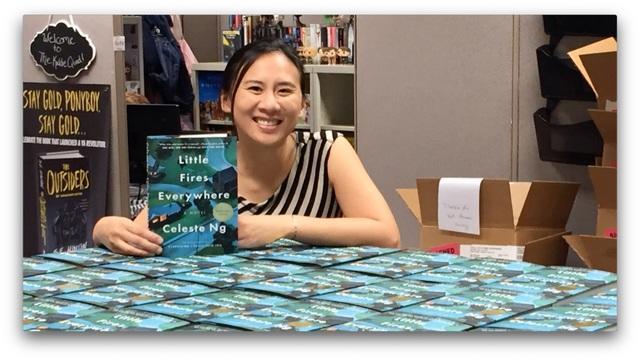
For her second mega-bestselling novel, "Little Fires Everywhere" (now a Hulu miniseries), author Celeste Ng was inspired by the Cleveland, Ohio suburb where she grew up as the daughter of Hong Kong immigrants. In February she returned to Shaker Heights with correspondent Martha Teichner, to talk about her childhood in a progressive and diverse community, her stories of class and racial divides, and how she dealt with internet trolls.
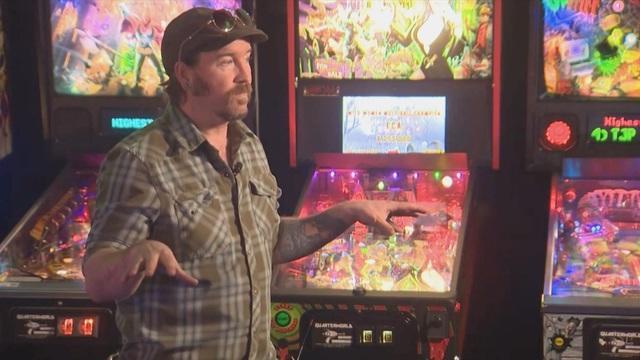
Only a month ago Logan Bowden was celebrating the resurgence of pinball; his Portland, Ore., company, QuarterWorld, which features scores of classic pinball and arcade games, was a success — until the coronavirus pandemic made pinball parlors a no-go. But QuarterWorld turned harrowing financial news into an opportunity, by offering shut-in Portlanders eager to play the chance to rent its games for their very own home. Luke Burbank reports.

For millions of Americans, these are challenging times. For some insight into resilience from a generation that survived a depression and world war, Turner Classic Movies host Ben Mankiewicz turns to funnymen Mel Brooks and Carl Reiner. Via cyberchat, the two comedy writers, who first met in the 1950s ("Call it laugh at first sight"), talk about enduring World War II and coming out on top. Mankiewicz also talks with "Star Trek" actor and activist George Takei (who as a child was detained in a Japanese-American internment camp in the 1940s) about what Americans look for when facing an uncertain future.
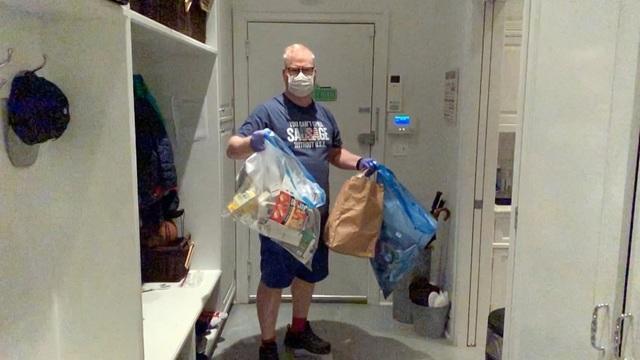
The new season is a time for renewal. Flowers are blooming! Baby birds are tweeting! And Jim Gaffigan remains in "double-secret-lockdown-quarantine" in his New York apartment with his wife and five children.
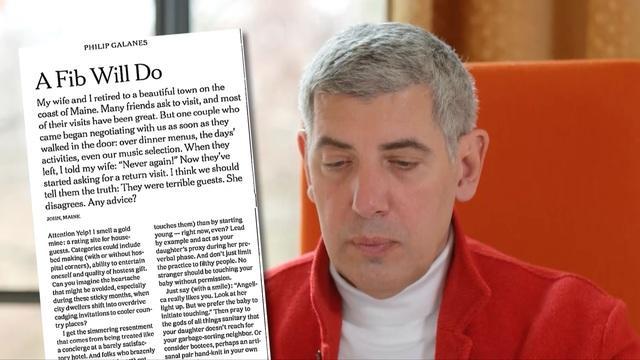
New York Times columnist Philip Galanes, who writes the paper’s “Social Q’s” column that helps readers resolve social dilemmas, talks about aiding those wrestling with new kinds of conflicts created by the pandemic, and explains to correspondent Erin Moriarty why he's an optimist about the current crisis.
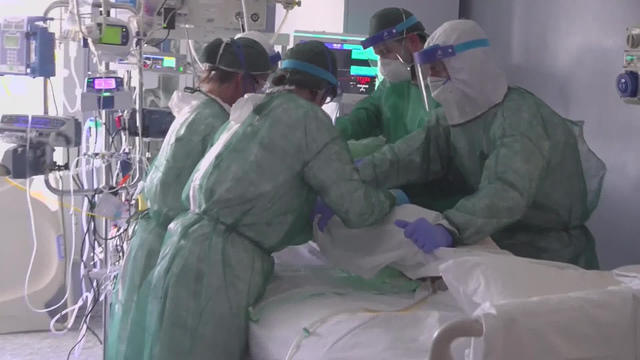
Italian doctors who fought the pandemic of COVID-19 and have seen its devastating toll talk with Seth Doane about the imperative for Americans to prepare, and how time wasted has left their country, and ours, scrambling to respond.
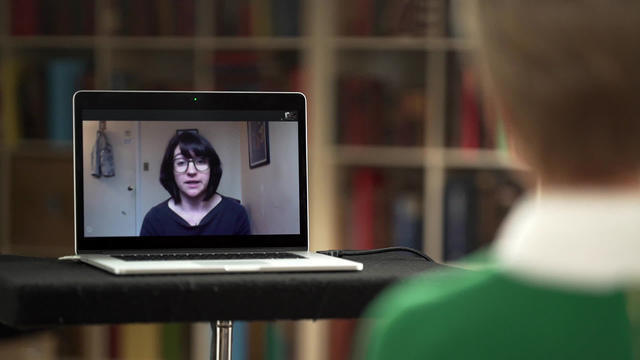
The coronavirus pandemic has meant that Mosaic, a Bronx, N.Y. non-profit mental health center, had no choice but to close its doors to in-person visits. To address the needs of its patients, Mosaic's staff of counselors and therapists took drastic measures, switching all mental health counseling to teletherapy – therapeutic sessions conducted over the phone. Susan Spencer reports on the altered dynamics of teletherapy, and how patients whose feelings of helplessness and anxiety are being compounded by a catastrophically anxious time are getting help.

With spring in the air, people are looking to plant gardens. But the coronavirus pandemic and the challenging times facing those in lockdown have brought to mind among some green thumbs the victory gardens of World War II. Tracy Smith reports on how nurseries are now selling out, not of flower bulbs, but of vegetables, and how online tutorials about growing your own food are sprouting up everywhere.