Mysterious planet is gobbling 6 billion tons of gas and dust a second
ESO's Very Large Telescope has observed a rogue planet and revealed that it is eating up gas and dust from its surroundings at a rate of 6 billion tons a second.
Watch CBS News
ESO's Very Large Telescope has observed a rogue planet and revealed that it is eating up gas and dust from its surroundings at a rate of 6 billion tons a second.
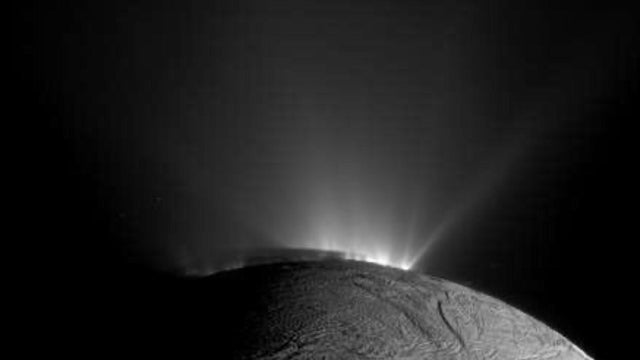
Enceladus has long been considered a prime candidate in the search for life beyond Earth because of its hidden ocean and plumes of water erupting from cracks near its south pole.
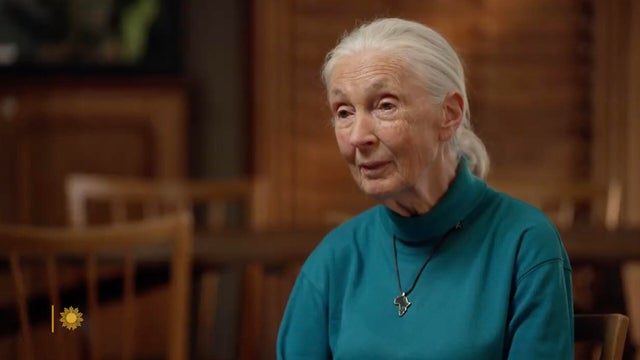
Famed naturalist Jane Goodall, who dedicated her life to studying chimpanzees and protecting the environment, died on Wednesday, Oct. 1, 2025 at age 91. In this Oct. 24, 2021 "Sunday Morning" profile, she talked with Seth Doane about her fascination with animals, her groundbreaking work with primates, and her advocacy for a more sustainable future.
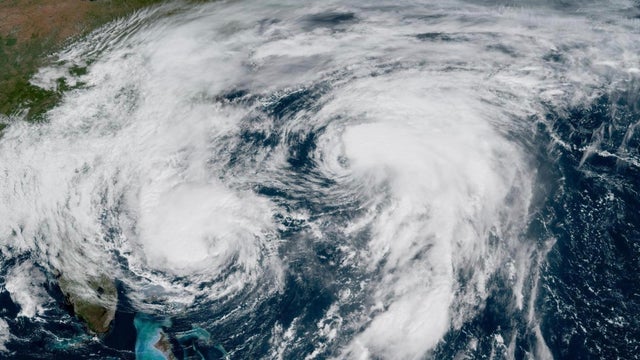
The outer bands of Humberto lashed Bermuda ahead of a more direct pass from the newer and stronger Hurricane Imelda.
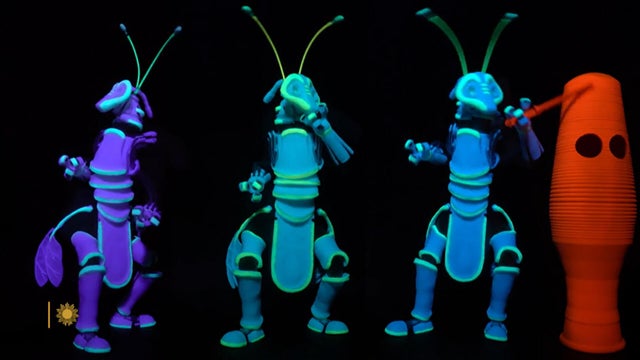
The chirping of crickets in your backyard can be a soothing seasonal sound, but did you know it's also an accurate way to tell the temperature – if you know the mathematical formula? Robert Krulwich and puppeteer Barnaby Dixon explain.

The findings have the potential to resolve the longstanding "Muddle in the Middle" of human evolution, researchers said.
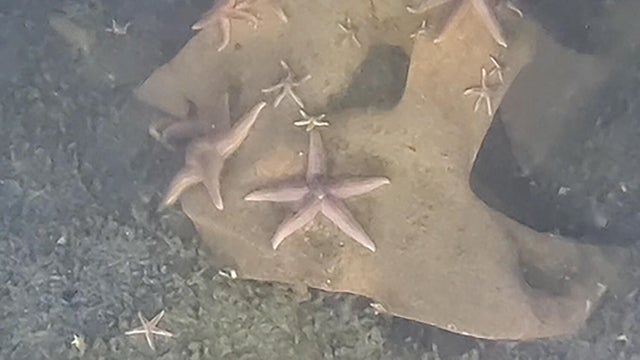
The study's author said "there is some irony" in the discovery that these "things that are meant to kill everything are now attracting so much life."
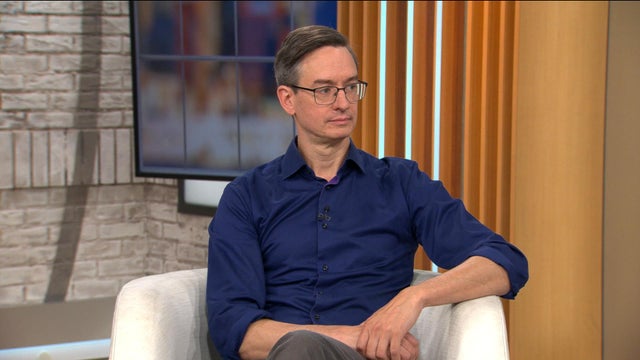
Scientist and professor Justin Gregg joins "CBS Mornings" to discuss his new book, "Human-ish: What Talking to Your Cat or Naming Your Car Reveals About the Uniquely Human Need to Humanize." He explains why we talk to pets, name objects, and even connect with inflatable tube men — and what that reveals about human nature.
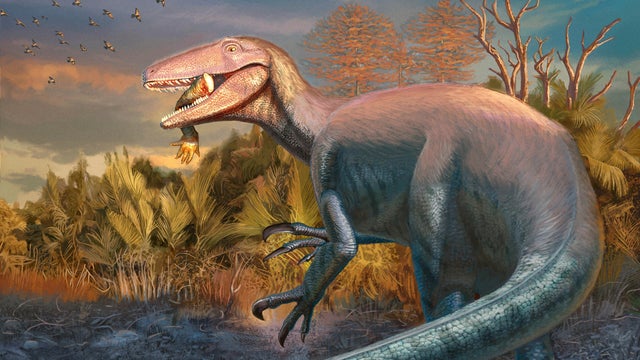
The new find was possibly 23 feet long and hailed from a mysterious group of dinosaurs called megaraptorans.
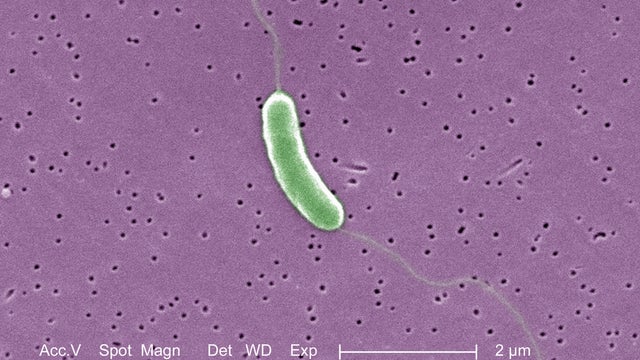
Vibrio vulnificus is a bacteria that occurs in warm coastal waters and can be contracted through raw seafood or open wounds.