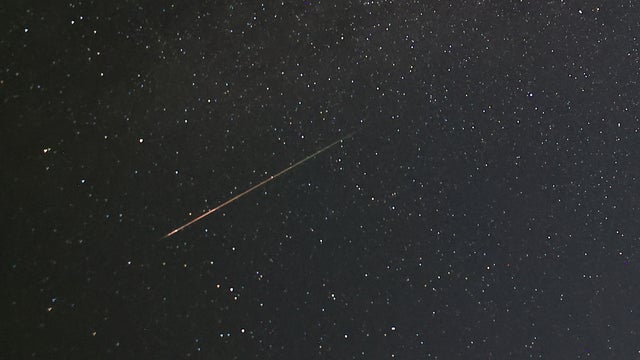
Perseid meteor shower reaches peak viewing on Wednesday night
The Perseid meteor shower is the best viewing all year, according to NASA.
Watch CBS News
The Perseid meteor shower is the best viewing all year, according to NASA.
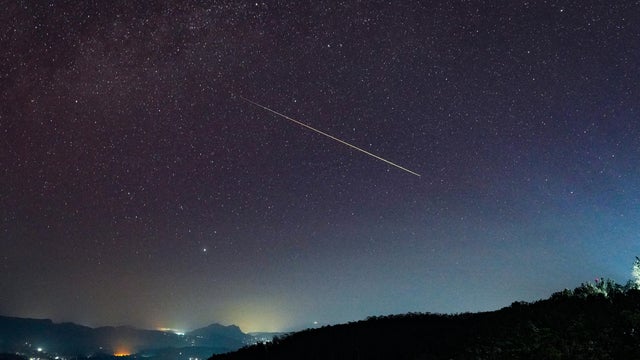
The Perseids meteor shower begins this week and is expected to offer one of the best astronomy shows of 2025.
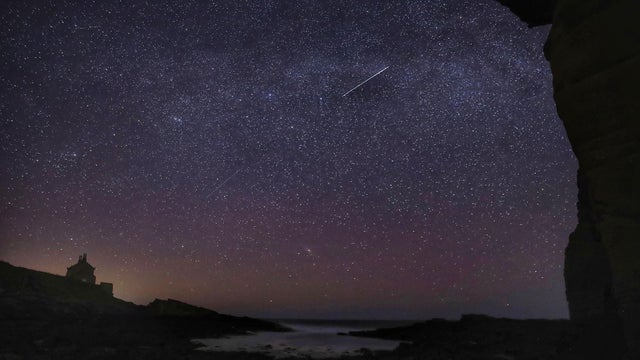
During the peak of the Lyrid meteor shower, 10 to 20 meteors could be seen per hour, NASA says.

One of the best meteor showers of the year is about to peak. Here's how to watch and where you can catch the Geminids.
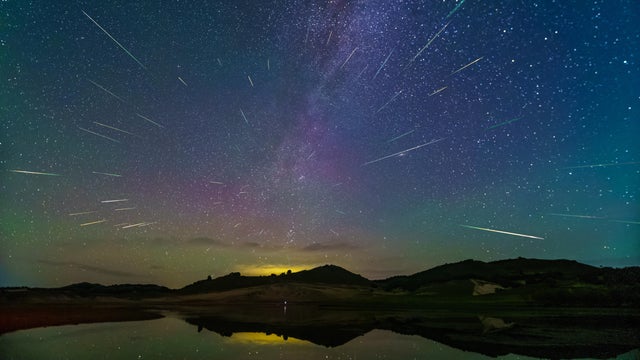
The Perseid meteor shower peaked in the night skies of Sunday into Monday, giving astronomy fans one of the best shows of 2024 as they looked to the skies.
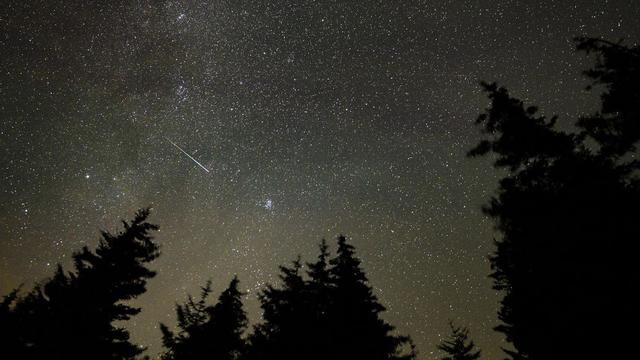
Two meteor showers are expected to flash across night skies around the same time this week.
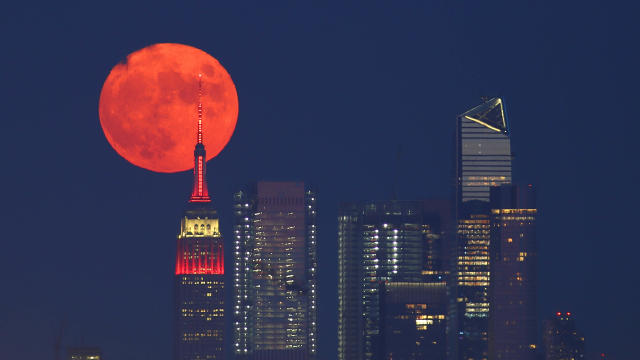
The full moon, also known as the Thunder Moon, will last three days, peaking on Sunday morning.
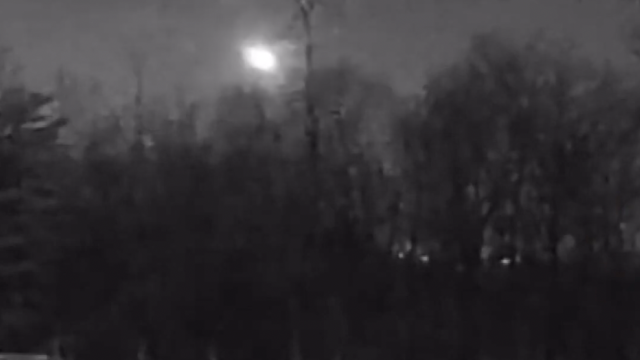
People across the eastern U.S. and in parts of Canada saw a dazzling light show on Wednesday night, as a fireball entered the atmosphere and burned up.
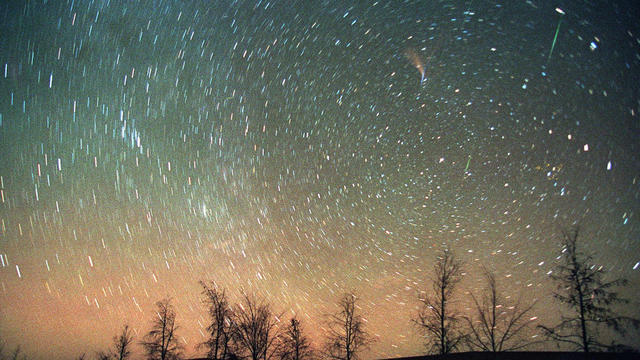
The Leonid meteor showers are fast – streaking by at 44 miles per second, according to NASA. Still, some stargazers can see them at their peak this week.
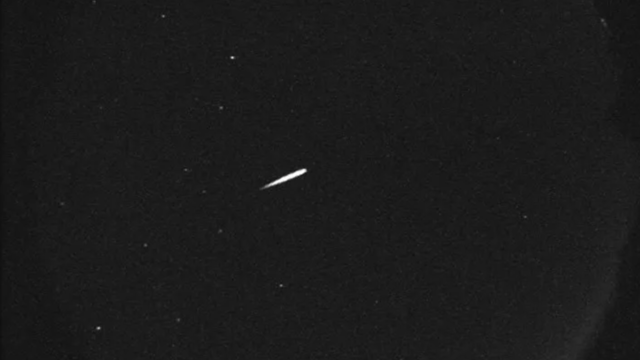
The Orionids are known for their brightness and speed, traveling at about 41 miles per second.
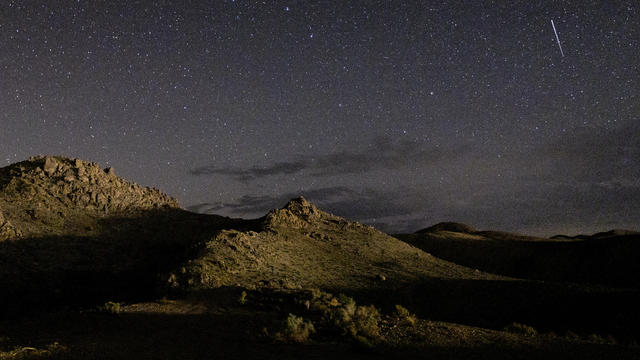
About 50 to 100 meteors from the Perseids can be seen per hour under ideal conditions, according to NASA.

KPIX science editor Brian Hackney has some simple advice for viewing the year's most reliable meteor shower. (8-12-23)
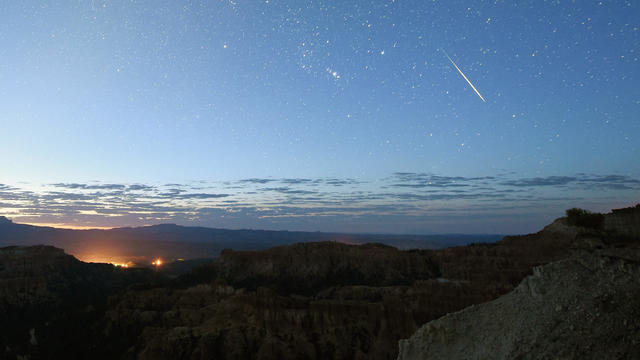
One of the most highly anticipated annual meteor showers will be especially visible this weekend, if you know where in the Bay Area to try to watch the Perseids as they peak.
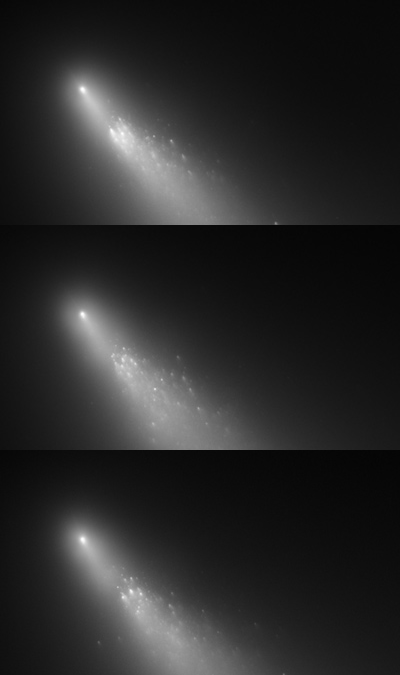
"Amateur and professional astronomers around the world have been tracking its spectacular disintegration for years," NASA said.
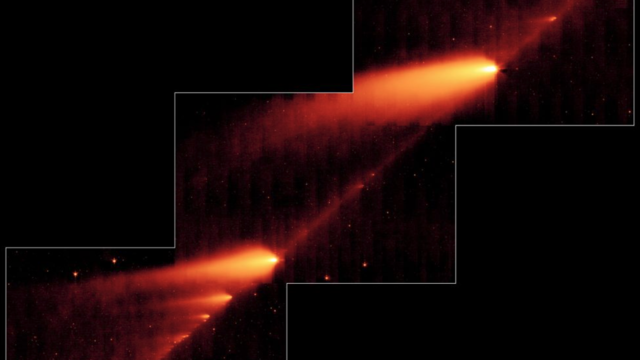
North Americans have the best chance of seeing the tau Herculid shower, with NASA recommending the best time to look up at around midnight in Texas.
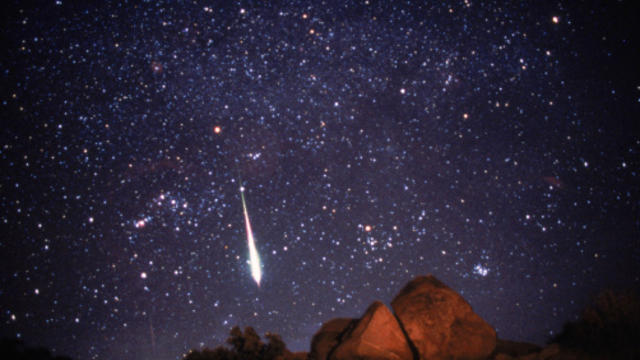
The Leonid meteor shower will peak from Monday night into Tuesday morning. If conditions are right, it could be a stellar cosmic show.
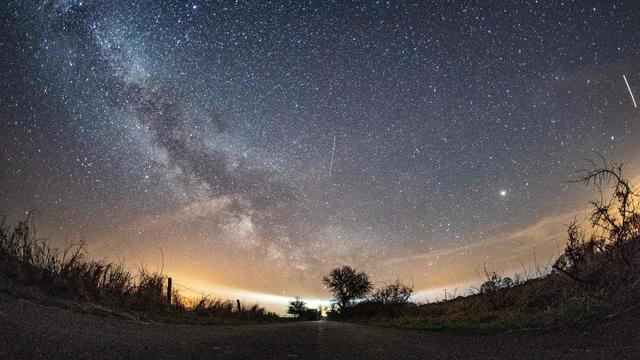
The sky is putting on a show as Earth Day dawns. The Lyrid meteor shower will be at its peak just before dawn Sunday.
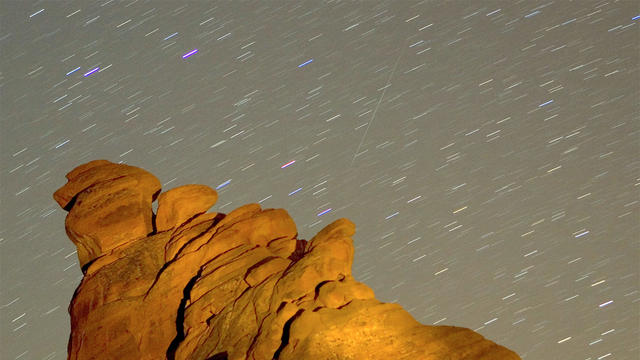
The Geminids meteor shower hits its peak on Tuesday, but a full moon will outshine the celestial show this year.
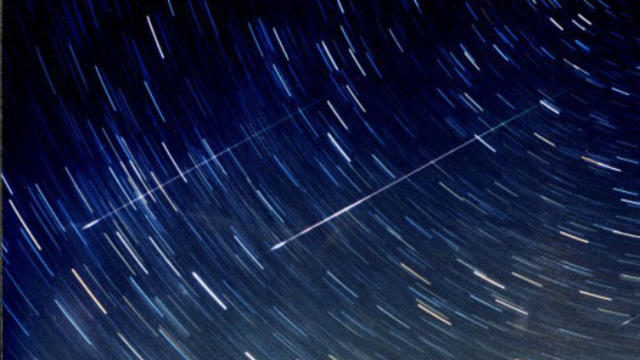
The Leonids shower could produce several displays of activity with up to 15 meteors per hour.
The typically tepid Taurid meteor shower is coming on strong this week with a swarm of fireballs expected.
The annual Orionid Meteor Shower is going to be putting on quite a show Wednesday night and early Thursday morning.
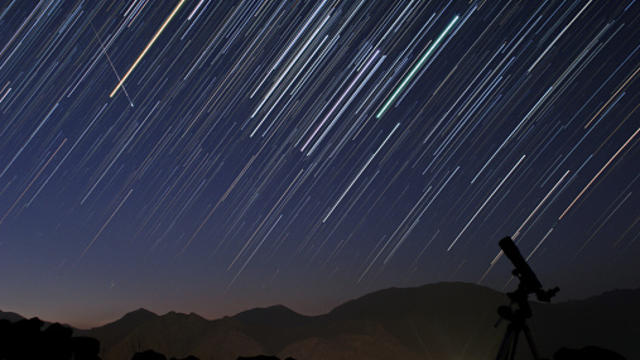
A meteor was caught on camera exploding in the atmosphere over Bangkok, Thailand by several dashcams Monday.

People looking for a shooting star to wish upon may find Wednesday overnight to be a dream come true.

Skywatchers are in for a rare treat this Friday as a Blue Moon takes center stage for a show that happens once every three years.
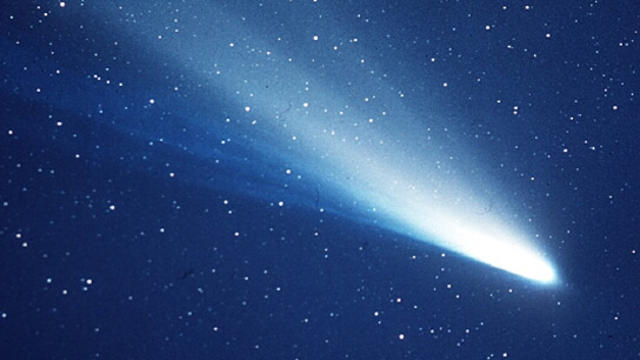
Halley's Comet may be on the other side of the solar system, but debris from its trail hit Earth every May as the planet passes through its orbit, and the best viewing of the "Eta Aquarid" meteor shower will be just before dawn on Wednesday May 6th, 2015.