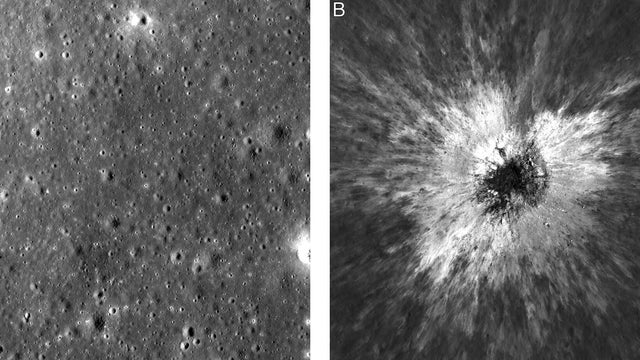
NASA spacecraft discovers moon crater bigger than Roman Colosseum
Scientists have discovered a crater on the moon that's bigger than the Roman Colosseum, the result of a powerful impact two years ago.
Watch CBS News
Scientists have discovered a crater on the moon that's bigger than the Roman Colosseum, the result of a powerful impact two years ago.
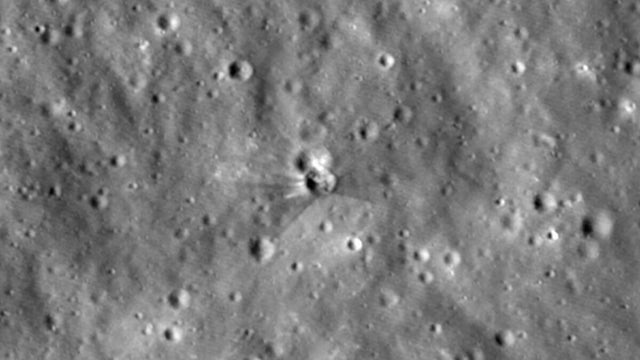
A NASA spacecraft circling the moon is providing the sharpest views yet of the crater carved by a crashing SpaceX rocket.
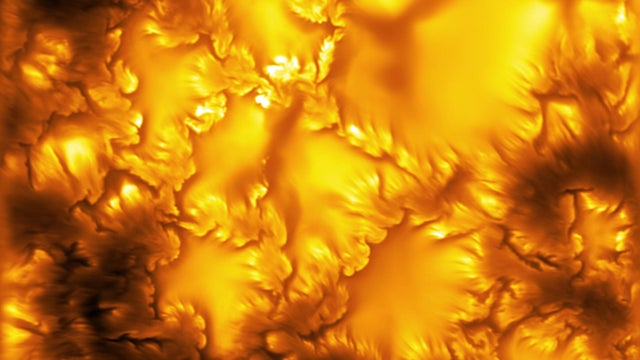
Researchers were able to peek at the sun's scorching surface with the help of the National Science Foundation's Daniel K. Inouye Solar Telescope, located on the island of Maui in Hawaii.
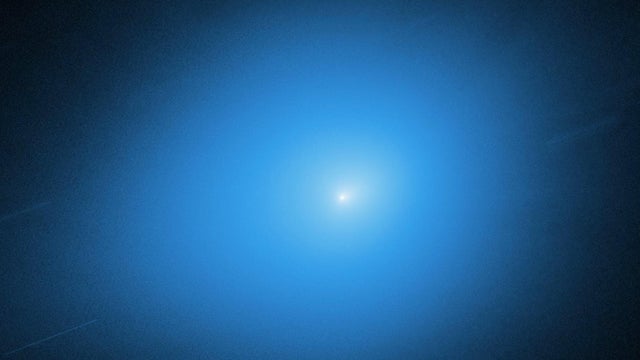
Exactly where the comet 3I/ATLAS came from within the Milky Way remains a mystery.
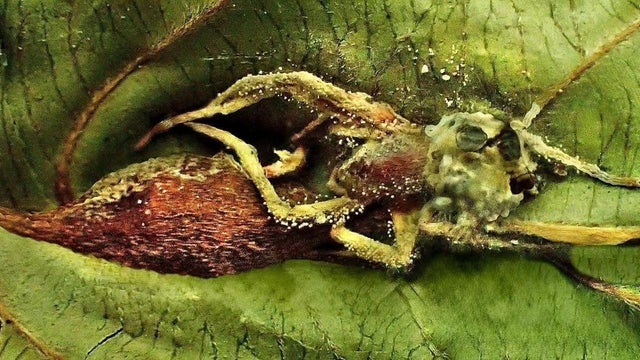
Scientists say the "hyperparasite" preys on "zombie fungus" known to infect insects before subjecting them to a gruesome death.
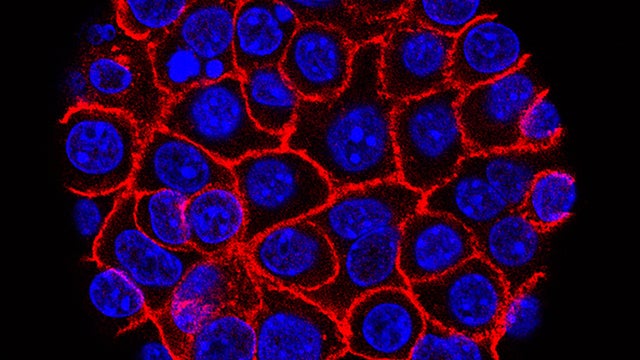
New research shows a medication called daraxonrasib is helping people with advanced pancreatic cancer live longer.
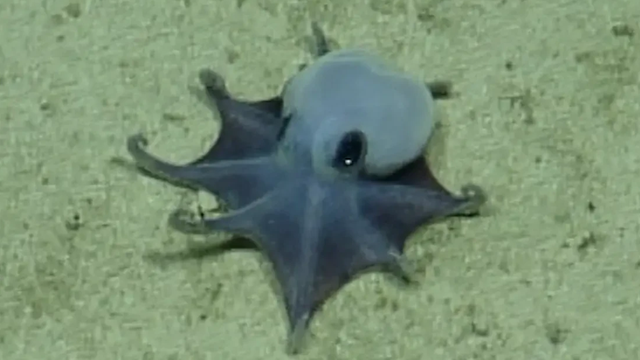
The new species, named Microeledone galapagensis, has a blue hue, which is believed to be the rarest color in nature.

A new study in the journal Nature says most sea level rise research may have underestimated coastal water heights by an average of 1 foot.
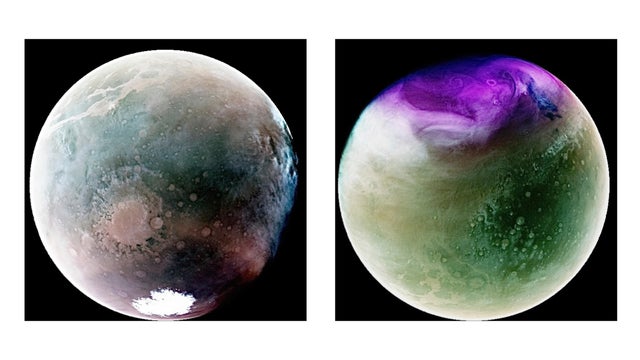
NASA has lost contact with a spacecraft that's been orbiting Mars for more than a decade.
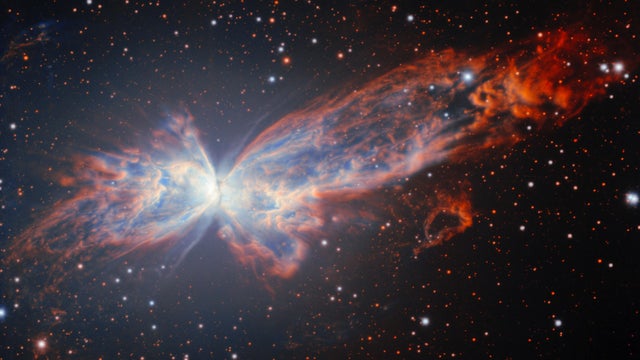
A telescope in Chile has captured a stunning new image of the Butterfly Nebula, a grand and graceful cosmic wonder.
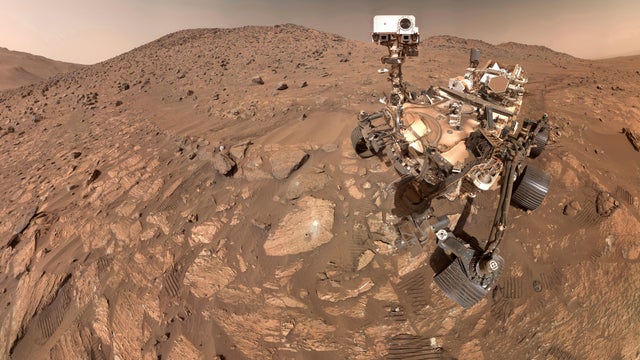
Researchers have documented 55 instances of "mini lightning" over two Martian years by eavesdropping on the whirling wind recorded by NASA's Perseverance rover.
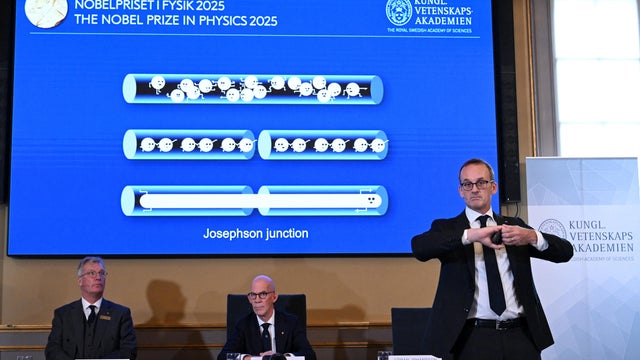
One of 2025's three Nobel Prize in Physics winners says the trio's work is "one of the underlying reasons that cellphones work.''
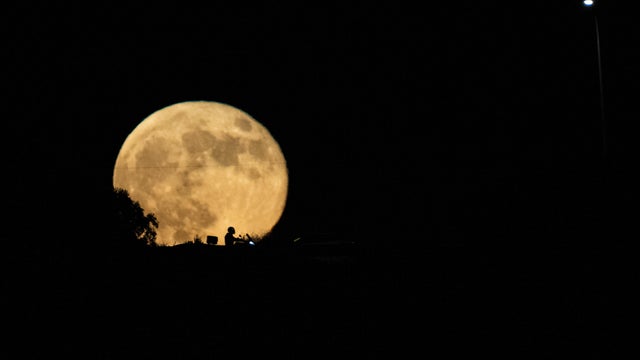
The first supermoon of 2025 will arrive soon. Here's what to know about the phenomenon.
Government scientists say infection rates from drug-resistant "nightmare bacteria" have been increasing dramatically.
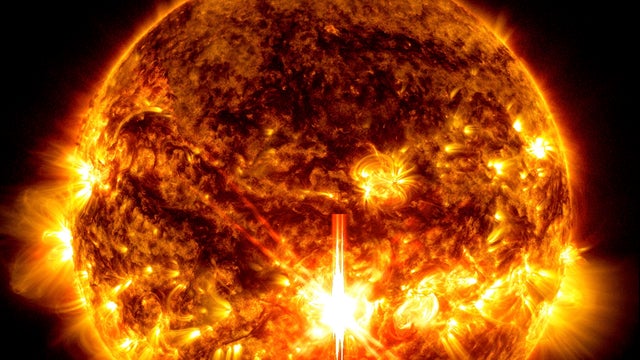
The sun has become more and more active over the last 16 years, in a turn that surprised scientists and could affect space weather, NASA said.
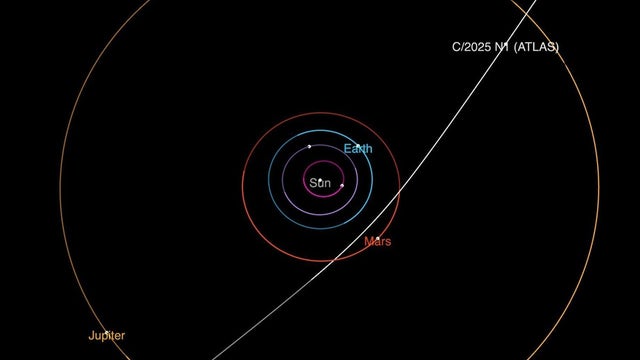
NASA has discovered 3I/ATLAS, an interstellar comet that's wandered into our backyard.
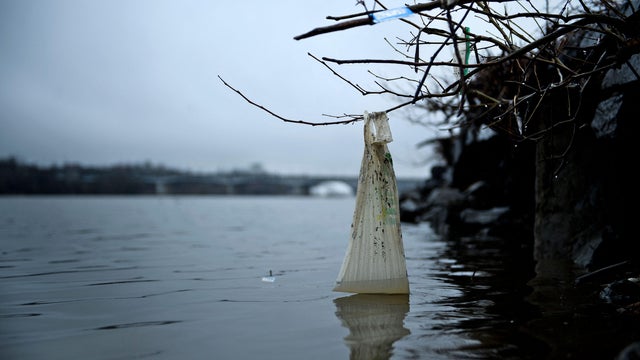
Researchers conducted the first systematic review of policies around the U.S. to limit plastic bag use.
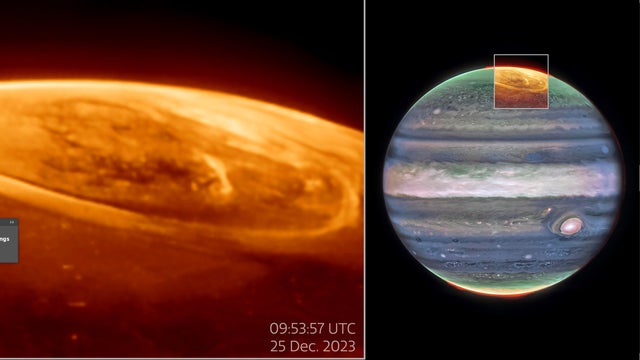
Jupiter's stunning auroras are hundreds of times brighter than those seen on Earth, as pictured in new images taken by the James Webb Space Telescope.
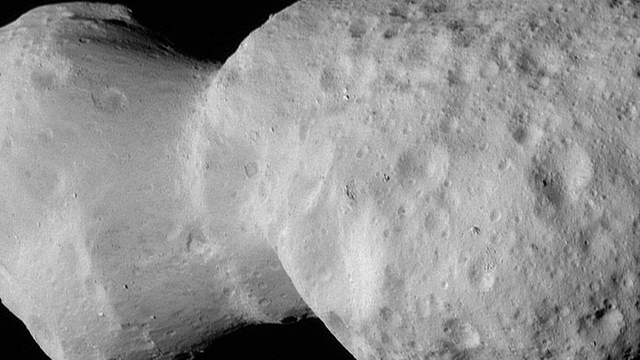
This asteroid is bigger than scientists anticipated, about 5 miles long and 2 miles wide at its widest point — resembling a deformed peanut.
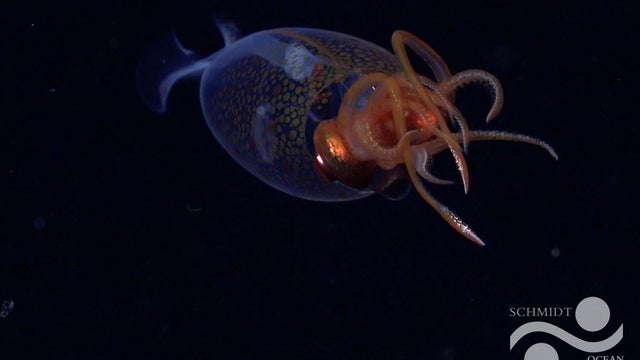
Researchers recently captured the first live footage of a colossal quid in its natural habitat, thousands of feet under the sea near Antarctica.
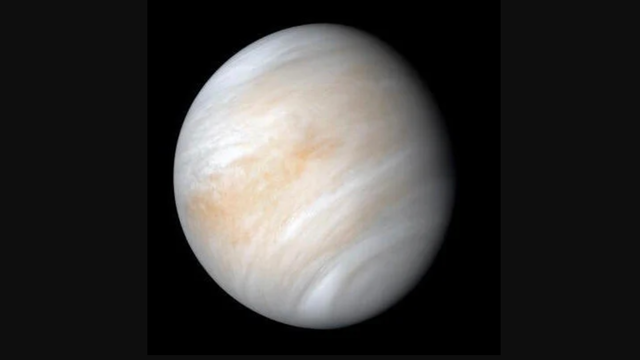
Our planet's closest and brightest neighbor will pass approximately between the Earth and sun this week, in what's called an inferior conjunction.

The first day of spring, also known as the vernal equinox, has arrived in the Northern Hemisphere on March 20, 2025.
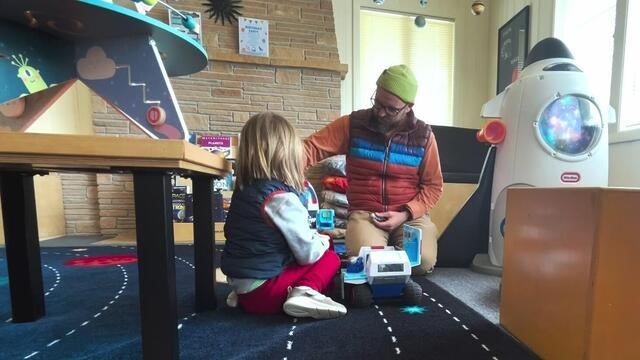
A beloved local science center dedicated to cultivating children's curiosity about science and nature through hands-on learning could be forced to seriously scale back its operations or even close for good.
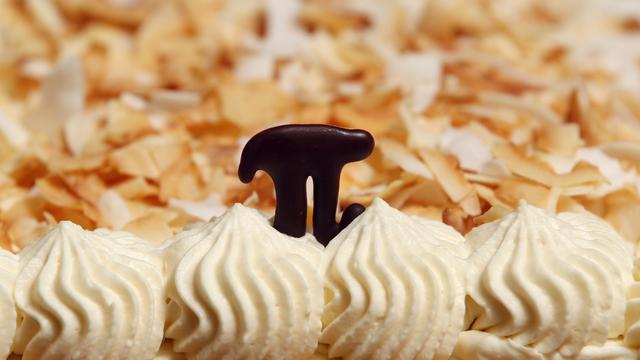
National Pi Day is recognized today in the U.S. and around the world. Here's what to know about the quirky holiday, and how to celebrate.
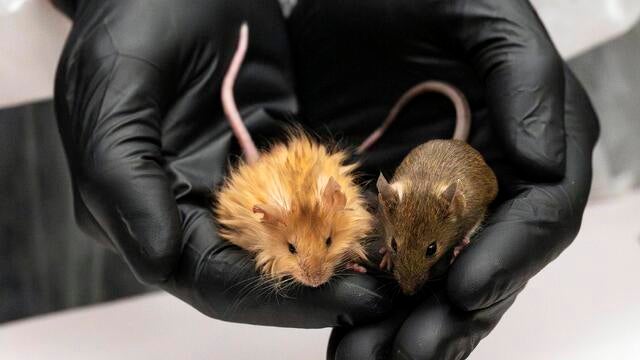
Colossal Biosciences has focused on identifying key traits of extinct animals by studying ancient DNA, with a goal to genetically "engineer them into living animals," said CEO Ben Lamm.