What to know about the Perseids and when to view the 2025 meteor shower
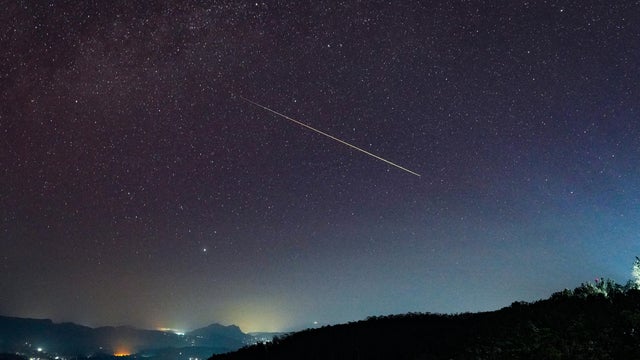
The Perseids meteor shower begins this week and is expected to offer one of the best astronomy shows of 2025.
Watch CBS News
The Perseids meteor shower begins this week and is expected to offer one of the best astronomy shows of 2025.

This is the first time the sound and image of a meteor falling has been documented on video, a University of Alberta scientist found.
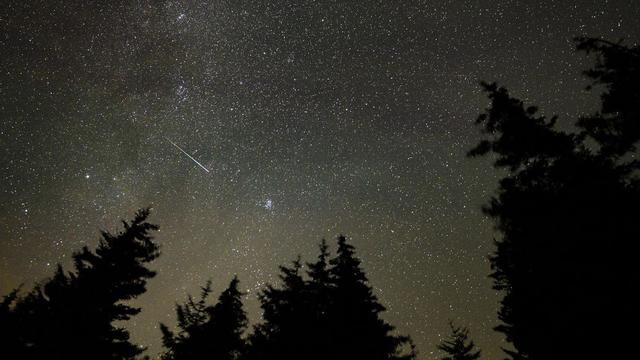
Two meteor showers are expected to flash across night skies around the same time this week.
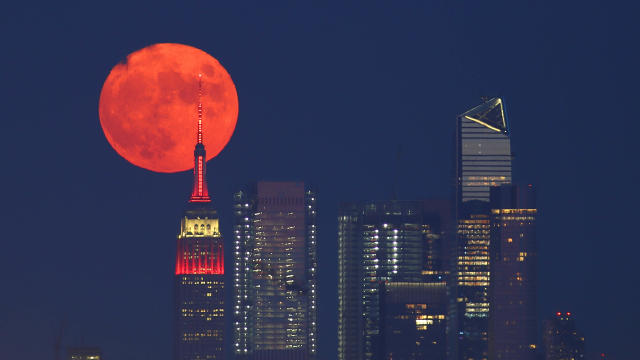
The full moon, also known as the Thunder Moon, will last three days, peaking on Sunday morning.
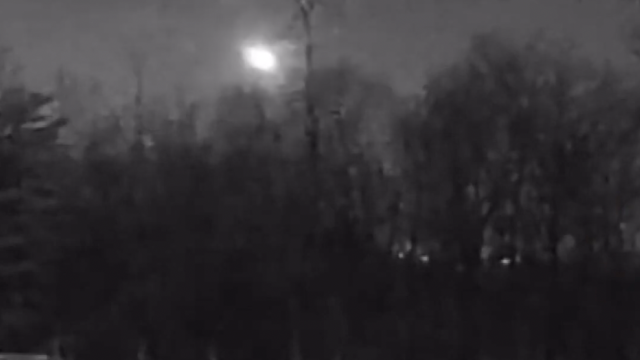
People across the eastern U.S. and in parts of Canada saw a dazzling light show on Wednesday night, as a fireball entered the atmosphere and burned up.
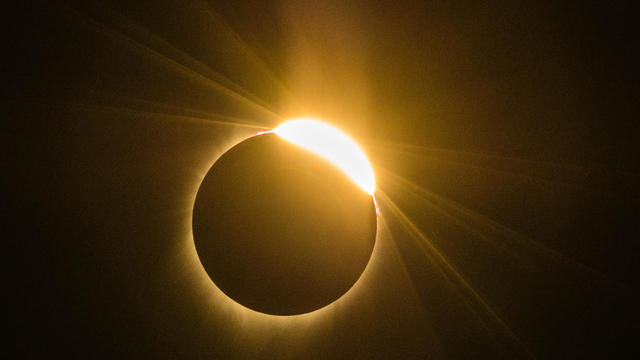
Astronomy fans can enjoy celestial events throughout 2024, looking to the sky to see full moons, meteor showers and a total solar eclipse. Here are the key dates to mark on your calendar.
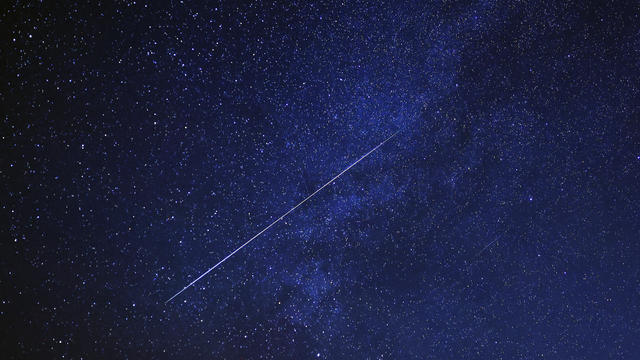
NASA described the Ursids as "a meteor shower for diehards only." It is set to peak Thursday night into Friday morning.
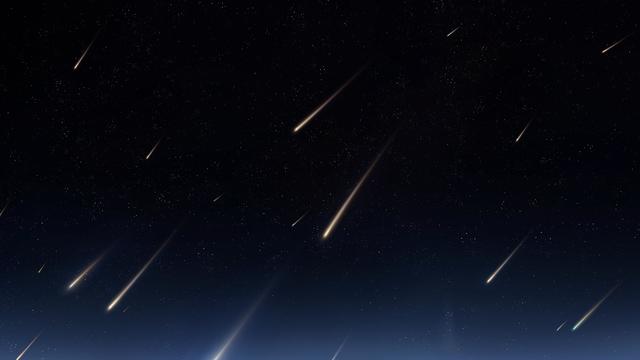
The highly-anticipated Geminids meteor shower peaked Thursday morning. If you missed it, here's one more meteor shower to catch from California before Christmas.
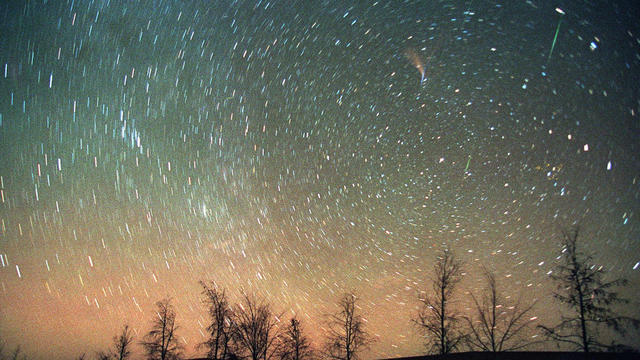
The Leonid meteor showers are fast – streaking by at 44 miles per second, according to NASA. Still, some stargazers can see them at their peak this week.
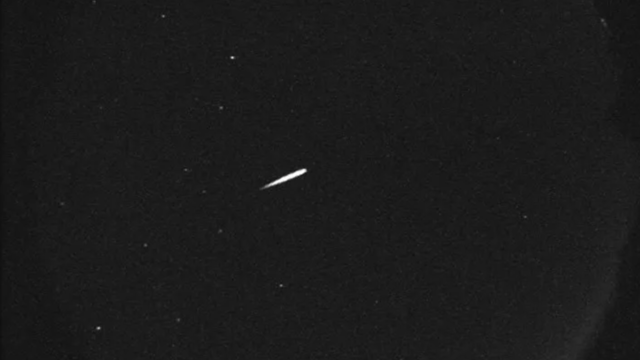
The Orionids are known for their brightness and speed, traveling at about 41 miles per second.
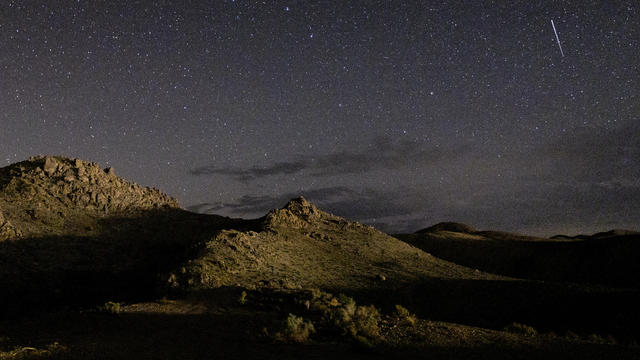
About 50 to 100 meteors from the Perseids can be seen per hour under ideal conditions, according to NASA.
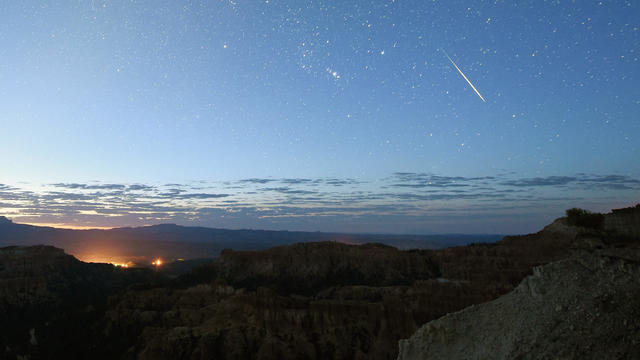
The "best meteor shower" of the year, also known as the Perseid meteor shower (or just Perseids, for short) will be peaking Saturday night into Sunday.
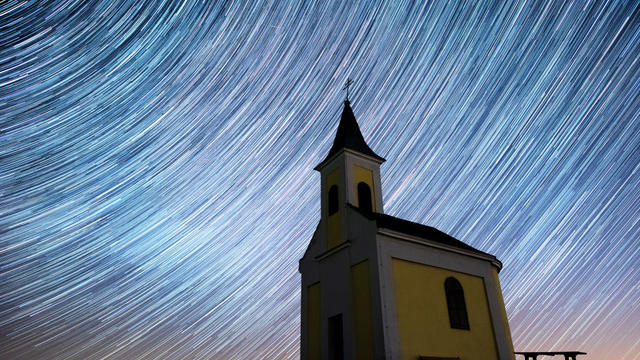
The Lyrids have lit up the sky for the past 2,700 years and potentially dozens of meteors could be seen per hour.
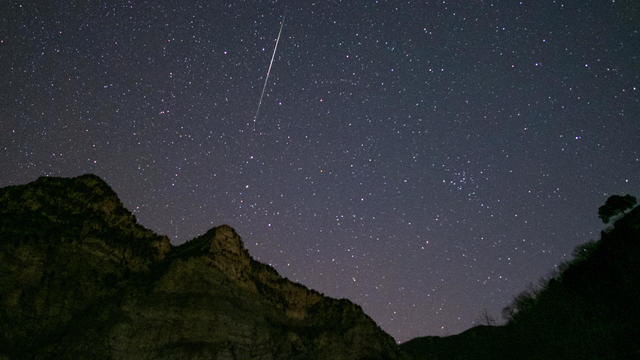
Watch the cosmos come to life as Geminids meteors speed through space at 78,000 miles per hour – more than 40 times faster than a speeding bullet.
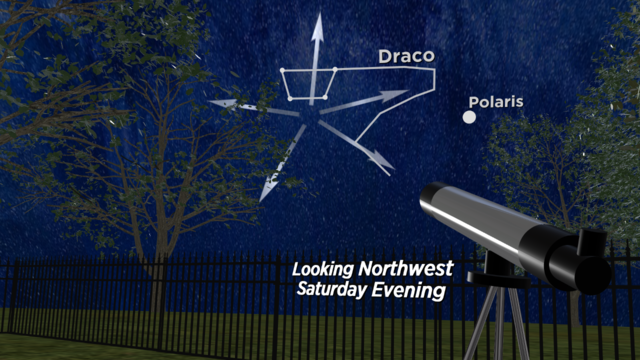
If you were planning to enjoy a vibrant meteor shower this weekend, mother nature may have different plans for you.
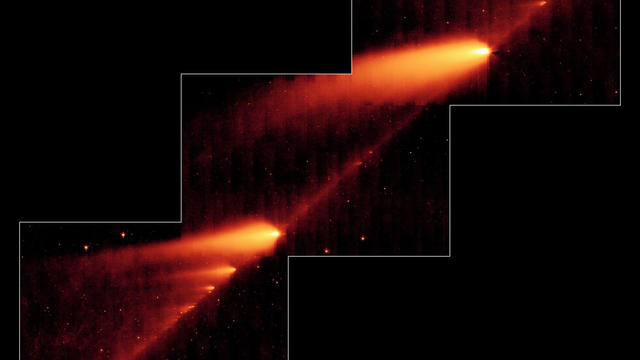
Earth is expected to pass through the debris trail of a broken comet on Monday night and early Tuesday morning. It could result in a brand new meteor shower.
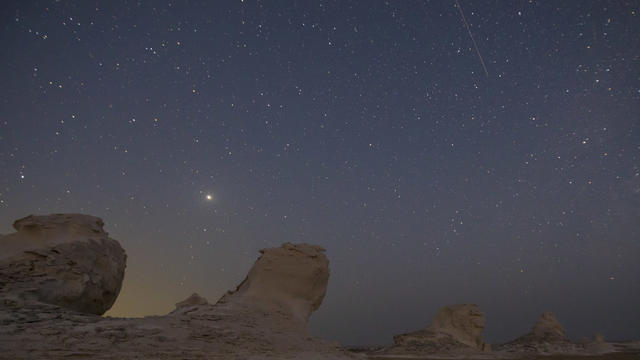
Total lunar eclipses, a multitude of meteor showers and supermoons will light up the sky in 2022.

The first meteor shower of spring, known as the Lyrid meteor shower, will present a night skywatching show beginning on Sunday evening and peaking on Wednesday night.
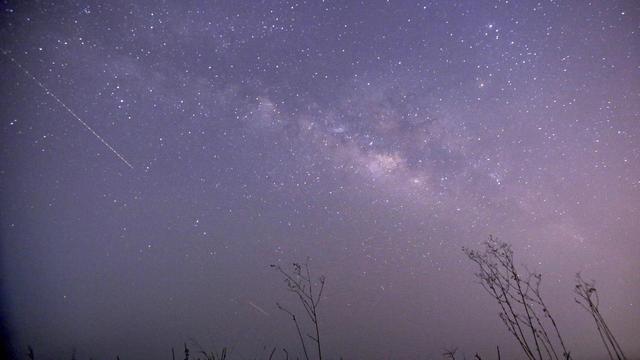
The first meteor shower of spring, known as the Lyrid meteor shower, will present a night skywatching show beginning on Sunday night and peaking on Wednesday night.
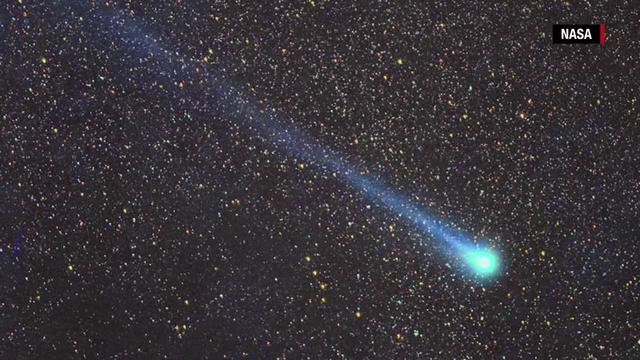
Moonless nights will make the spectacle of the annual Perseid meteor shower even more scintillating this weekend for much of the world between August 2 and August 4.
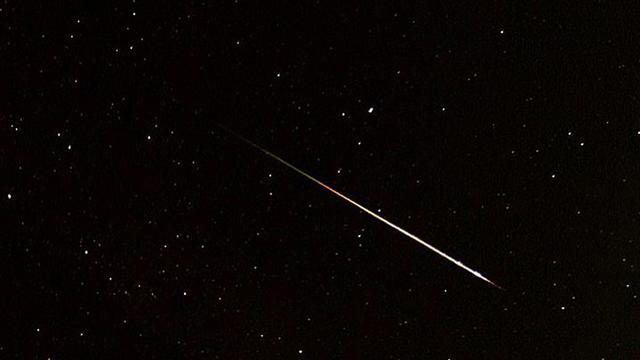
Winter solstice, the shortest day of 2018, is Friday, December 21.
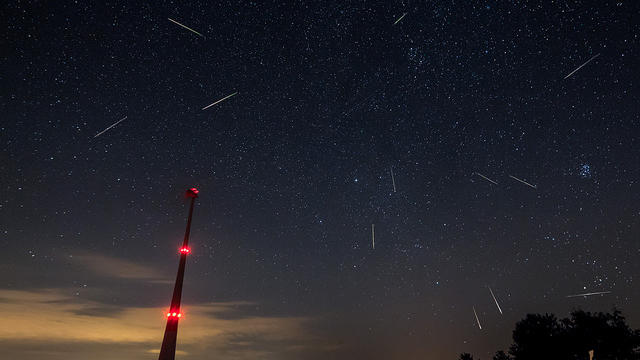
NASA meteor experts said that because the moon is almost new there shouldn't be moonlight to mess with the view.
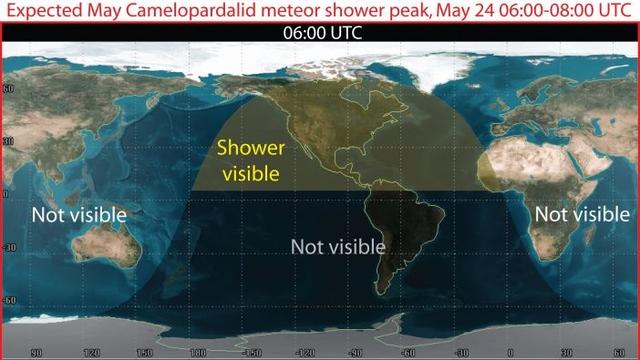
It could rival the famed Perseid meteor shower from later in the summer, or it could be a dud. But, NASA scientists are nonetheless excited about a new meteor shower that could light up the skies Friday evening.
A man who was looking for a place to watch the Geminid meteor shower may have seen a few stars after his car plunged 100 feet down a hill in the Angeles National Forest.