How the Ross Park Mall is thriving in a landscape of dying malls
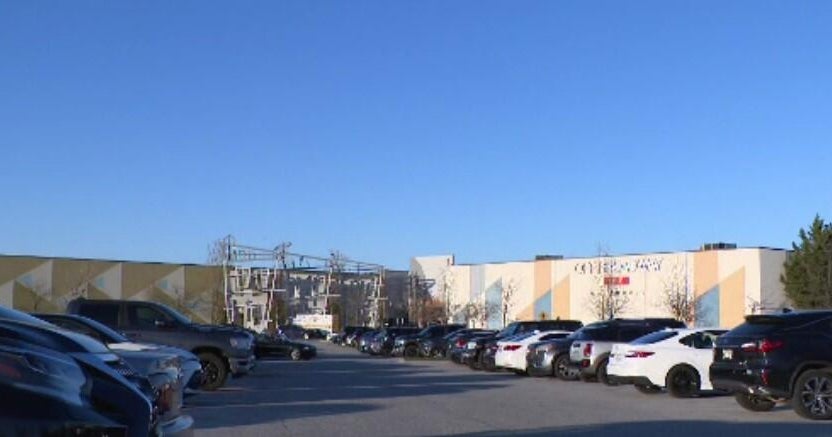
Shopping malls are under threat from online shopping and disappearing customers, and many are facing the wrecking ball. But the Ross Park Mall is bucking that trend.
Across the Pittsburgh region, you see the empty promenades, the closed and gated stores, the leaky roofs and cracking facades. Century III has gone under, the Pittsburgh Mills is teetering and the Mall at Robinson is shedding tenants and shoppers alike. By some accounts, the whole idea of the shopping mall is dead, but others say reports of its demise have been greatly exaggerated.
"We're evidence that malls are doing well. They're surviving. They're thriving. People are coming here in droves," said Shema Krinsky with the Ross Park Mall.
Ross Park Mall is the region's biggest exception to the dying mall. While other malls have suffered from online shopping and disinvestment, its parent company Simon has aggressively reinvested in its properties, managing to stay ahead of the curve, maintaining pristine facilities and assembling cutting-edge stores.
"We have stores like Aritzia just made their grand debut here in Pittsburgh. Alo Yoga, they were brand new. We have Rowan, where they have nurses that actually do all the piercings," Krinsky said.
"It's important that you know your market, you know what stores are going to really resonate with that shopper that's in that area and give them what they want," Krinsky added.
The mall continues to evolve, aspiring to be more than a shopping destination but an experience. Dick's House of Sport offers hands-on tee shots and a climbing wall. The mall recently updated and expanded its food court and added new restaurants like Plaza Azteca for lunch and dinner.
"They've got the right location and they've done very well on bringing in some of those additional amenities to make it a place for people to have experiences and not just shopping. And that seems to be some of the secret sauce for the malls that are doing well," Bernstein-Burkley real estate attorney Kirk Burkley said.
But while others may do well to emulate Ross Park, Burkley said it's not clear the region will support them.
"I think you're going to see more losers than winners on the large traditional mall. It's just not what people are building today because it's not what the consumer is looking for," Burkley said.
It may be that malls need to throw out the old model and start anew. That's the idea in Monroeville, where Walmart and its development partner want to tear it down and create what's called an urban retail center.
Monroeville has also hit hard times and a stroll through it reveals a number of vacant stores and few shoppers for the ones that remain open. In other parts of the country, malls like this are being replaced by urban retail centers like Easton outside of Columbus, which is more of a shopping village than a mall.
Walmart is asking the state for $7.5 million to help take down the 186-acre site and transform it. The application envisions a mixed-use campus setting of "new retail, restaurant, and entertainment space, supported by new landscaping, pedestrian-friendly design, and public open spaces for community use."
"That is exactly the model. That's what these are going to start to turn into, is truly a mixed-use environment," Burkley said.
The project in Monroeville is controversial among the existing tenants and people who object to the use of public money, but the alternative may be more dead and dying malls becoming an eyesore on the landscape.