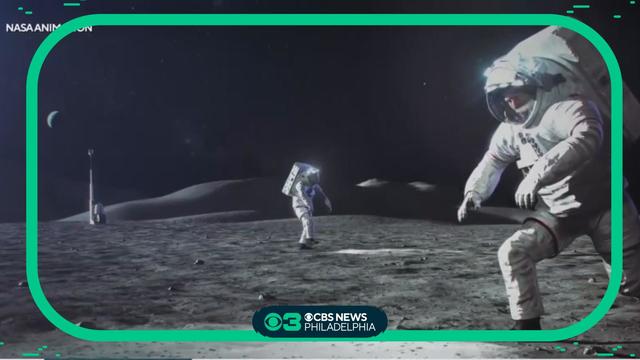
Artemis mission update: November flight will go around the moon
NASA shared an update on the next stage of its Artemis missions, where crews will journey around the moon and back to Earth in November 2024.
Watch CBS News
NASA shared an update on the next stage of its Artemis missions, where crews will journey around the moon and back to Earth in November 2024.
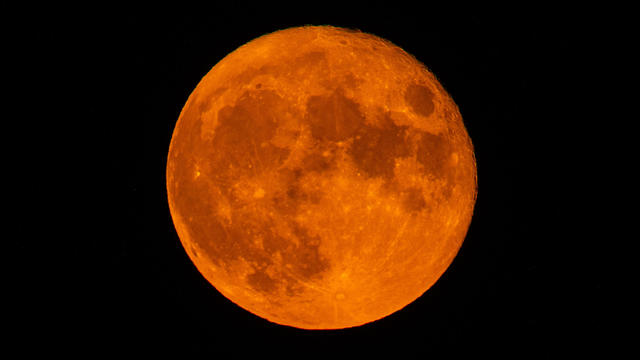
August features a pair of supermoons. The second supermoon will be a rare blue moon.
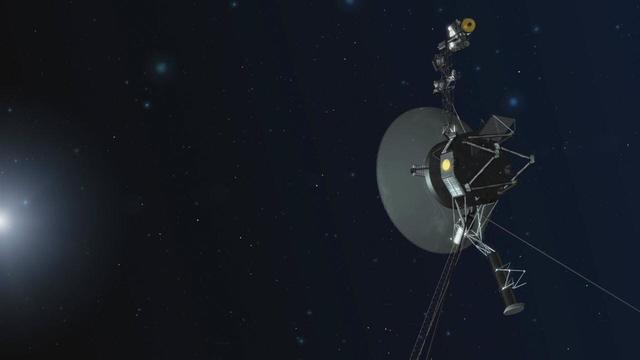
NASA has heard a "heartbeat" from its Voyager 2 spacecraft after a wrong command accidentally cut off communications.
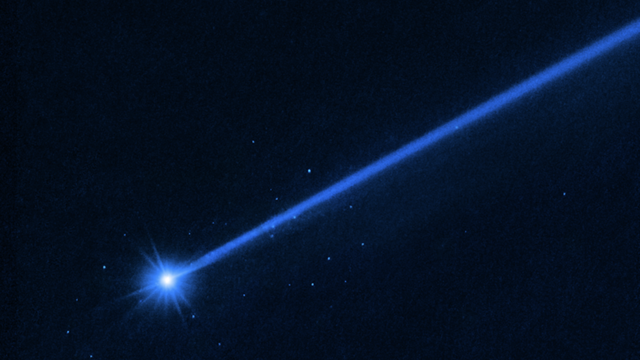
NASA said that redirecting an asteroid could lead to "a cluster of threatening boulders heading in our direction."
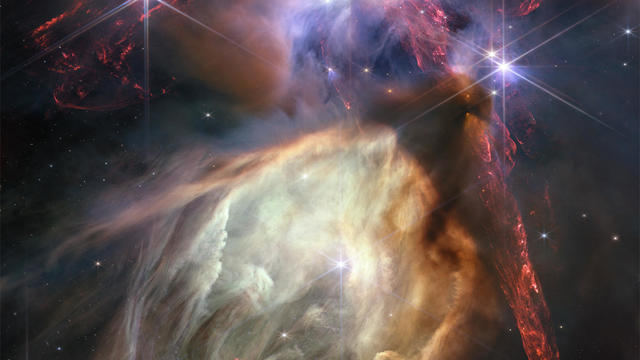
The stellar nursery in the Rho Ophiuchi cloud complex features about 50 young stars, all similar to Earth's sun or smaller.

Nancy Levenson, the interim director of the Space Telescope Science Institute, joined CBS News Philadelphia to discuss what's next for the space telescope.
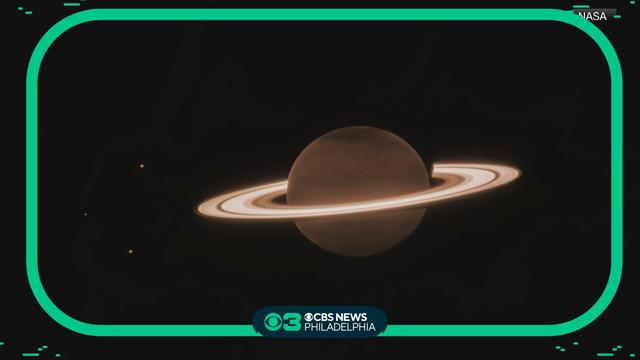
NASA's James Webb Space Telescope has produced perhaps the most spectacular image of Saturn ever. This is the first near-infrared observation of the planet, detailing the planet's ring system, with three of its moons clearly visible.

The scientists will stay at a mock Mars base in Texas, where they will conduct simulated spacewalks, grow crops and do experiments to help NASA understand what it would be like for humans to live on the planet.

Around the world, people can catch a sweet treat in the night sky this weekend.
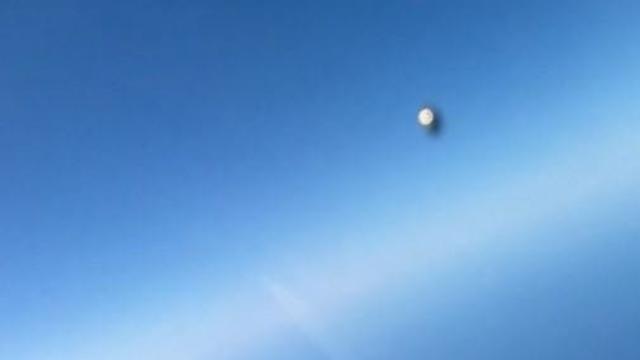
The 16-member independent study group is set to release a report detailing the findings of its investigation later this summer.
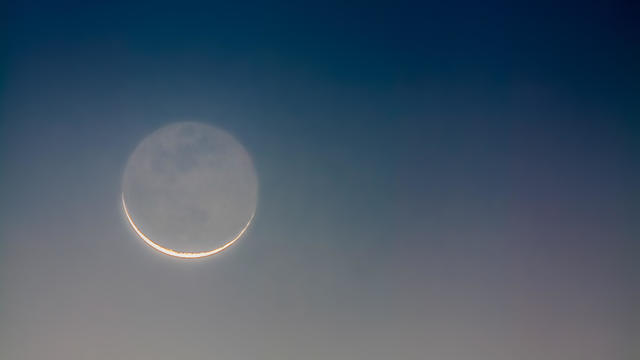
The phenomenon, once known as "Earthshine," occurs when the dark side of the moon is illuminated by light reflecting off planet Earth.
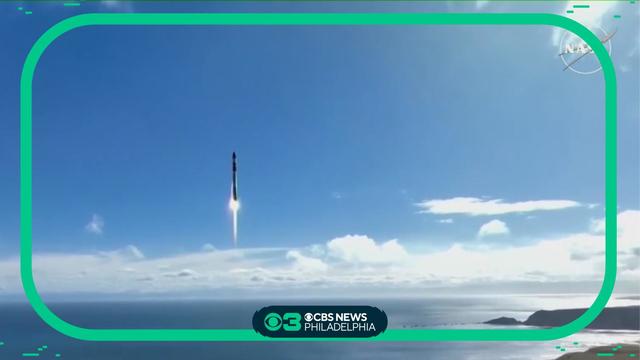
The satellites are designed to provide hourly updates of typhoon and hurricane development in a bid to improve forecasting and provide new insights into how tropical storms evolve and intensify.

The Exobiology Extant Life Surveyor (EELS) could take ocean world research to the next level with "deeper exploration into areas that were once unattainable."
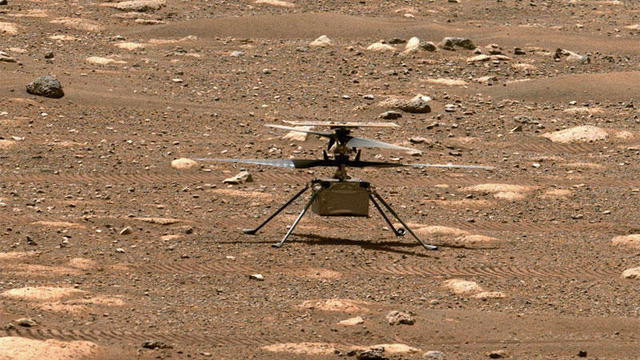
NASA said on Thursday that during its 50th flight, the helicopter traveled over a thousand feet in about two and a half minutes.
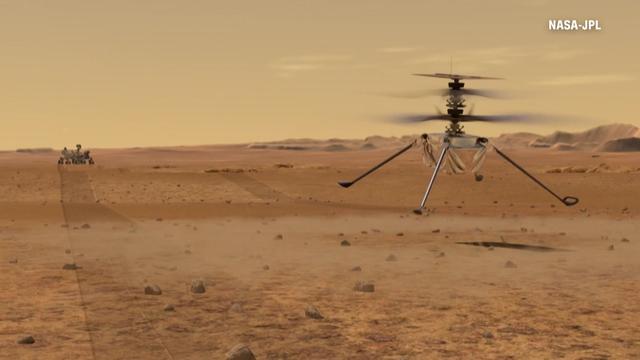
After becoming the first machine to fly in Mars' thin atmosphere, Ingenuity continues to set records on the red planet.
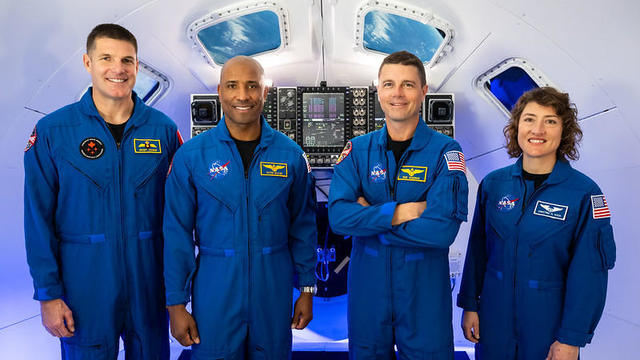
The Artemis II mission is intended to pave the way toward the next moon landing and eventually fly to Mars.
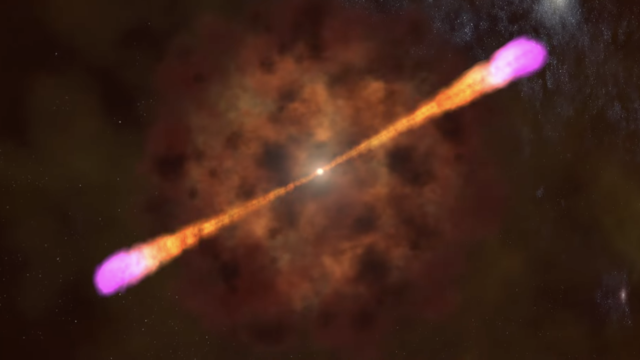
The signal from this burst, experts found, had been traveling for about 1.9 billion years before reaching Earth.
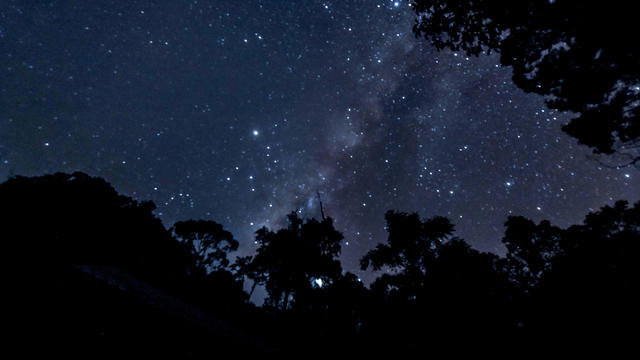
Jupiter, Mercury, Venus, Uranus and Mars will align on Tuesday night.
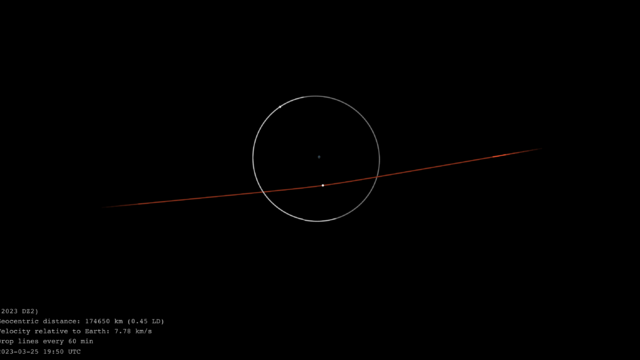
The space rock's anticipated trajectory places it at about half the distance to the moon, so people with telescopes may be able to see it from Earth.
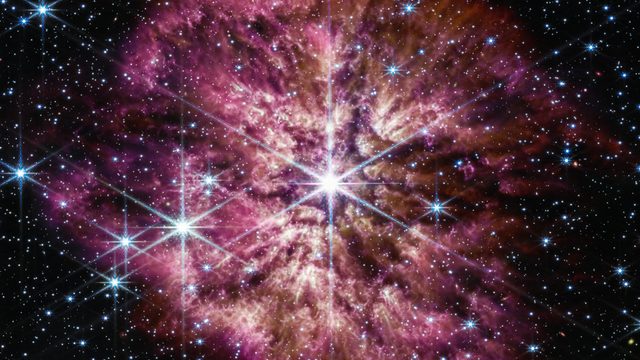
NASA's Webb Space Telescope has captured the rare phase of a star in the constellation Sagittarius on the cusp of dying.
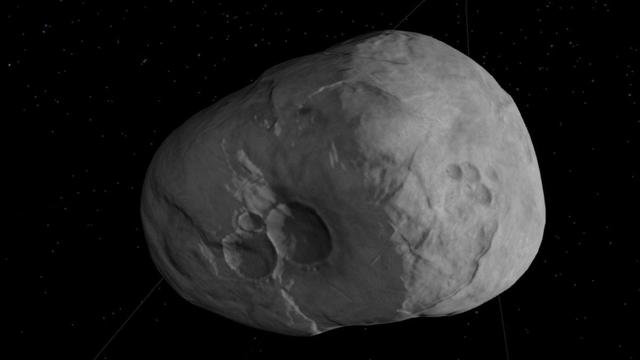
One astronomer said he believes there's about a "1 in 400 chance" the asteroid could impact Earth.
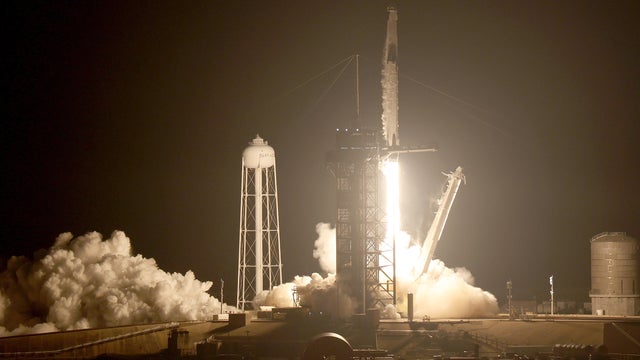
The four Crew Dragon fliers will replace another crew that will be wrapping up a 154-day stay in orbit.

But it wasn't an easy journey for the first African American female astronaut. See back when she was just Mae, it was a time when careers in the sciences weren't encouraged for girls let alone Black girls.

Andrew Kozak reports.
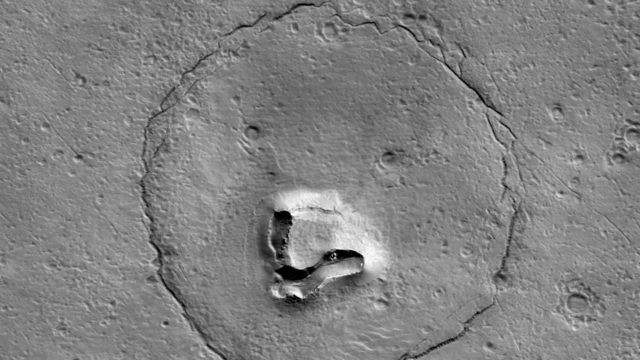
The surprise bear face spans more than 1 mile across.