Scientists find "strongest evidence yet" of life on distant planet
A British-U.S. team of researchers detected signs of two chemicals in the planet's atmosphere long considered to be "biosignatures" indicating extraterrestrial life.
Watch CBS News
A British-U.S. team of researchers detected signs of two chemicals in the planet's atmosphere long considered to be "biosignatures" indicating extraterrestrial life.
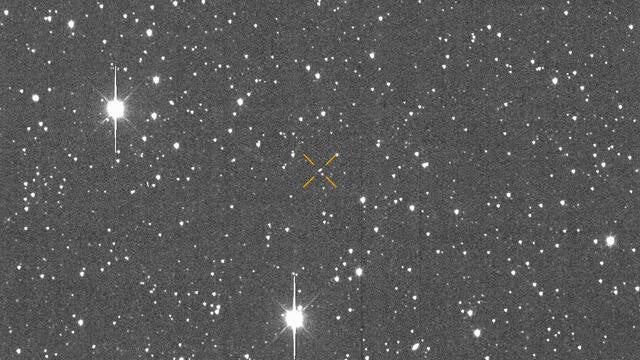
The asteroid 2024 YR4 has a very small chance of striking Earth when its orbit briefly intersects our planet's in December 2032.
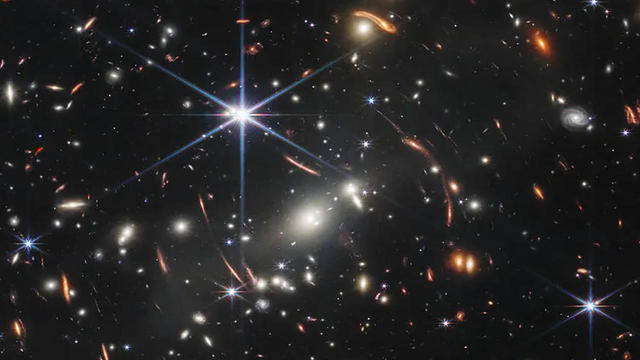
In the two years since the telescope was blasted into orbit, it has performed like a champ, capturing phenomenal images of the heavens and collecting data about distant planets – and scientists say it will continue for decades.
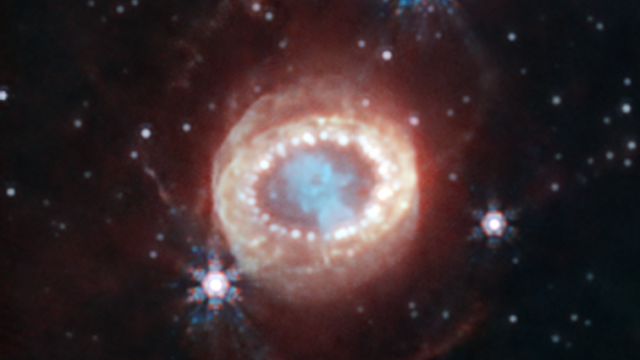
The powerful James Webb Space Telescope revealed "crescent-like structures" within the SN 1987A supernova.
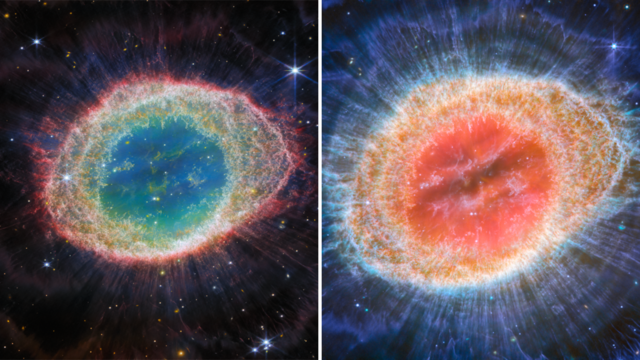
New images from the James Webb Space Telescope have revealed intricate details of a dying star's final stages, NASA said.
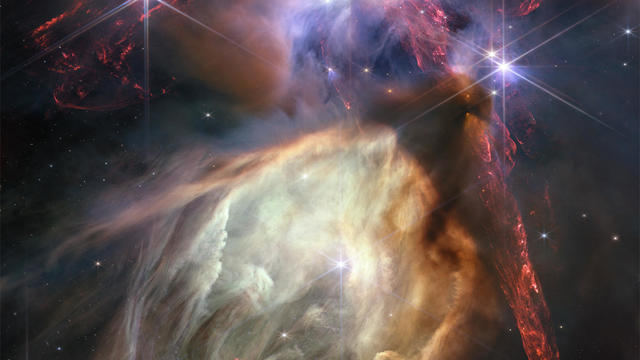
The stellar nursery in the Rho Ophiuchi cloud complex features about 50 young stars, all similar to Earth's sun or smaller.

Nancy Levenson, the interim director of the Space Telescope Science Institute, joined CBS News Philadelphia to discuss what's next for the space telescope.
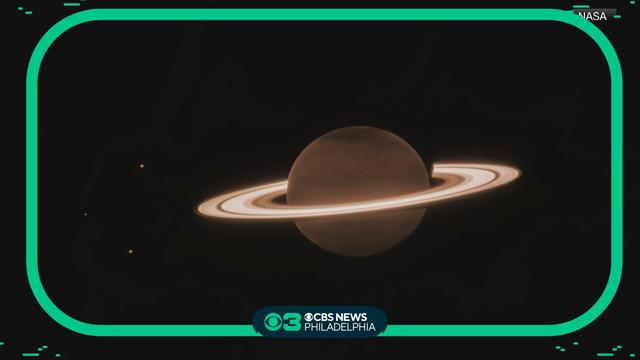
NASA's James Webb Space Telescope has produced perhaps the most spectacular image of Saturn ever. This is the first near-infrared observation of the planet, detailing the planet's ring system, with three of its moons clearly visible.
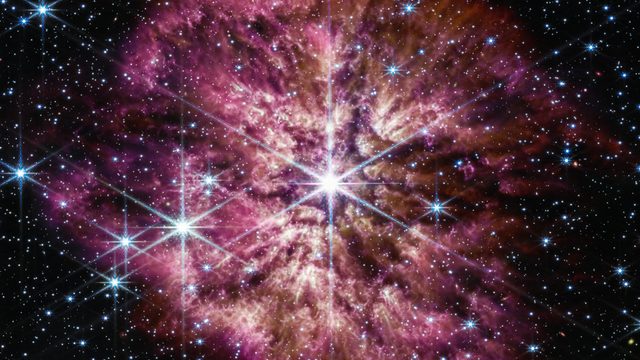
NASA's Webb Space Telescope has captured the rare phase of a star in the constellation Sagittarius on the cusp of dying.
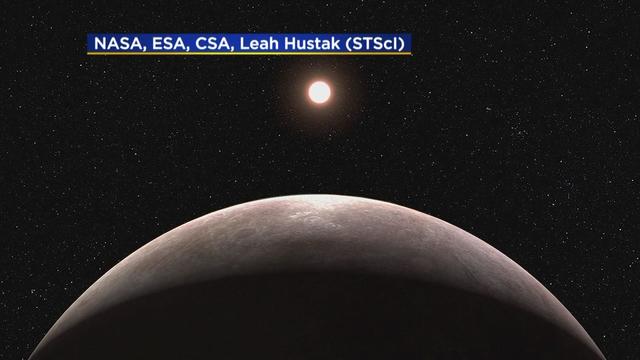
Two new exoplanets were discovered by the James Webb Space Telescope.
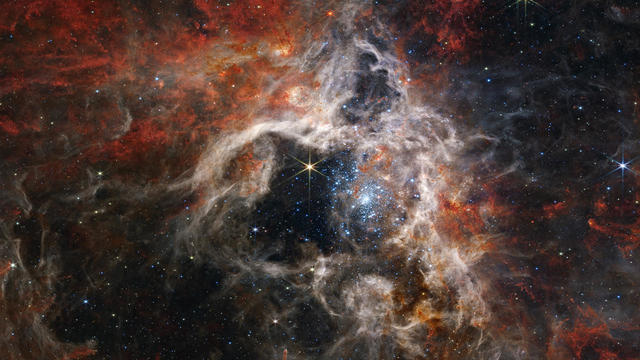
A giant space tarantula has been caught by NASA's Webb Telescope.

Nicknamed the Tarantula Nebula, thousands of never-before-seen young stars were captured by the telescope.