Philadelphia mayor proposes new taxes on deliveries, rideshare apps like Uber in new $6.97 billion budget
A ride home in Philadelphia could soon cost more if Mayor Cherelle Parker's latest budget takes effect.
Parker pitched her $6.97 billion budget to City Council on Thursday, saying it includes new taxes on ride-hailing services like Uber and Lyft that will help generate more than $9 million in revenue for the School District of Philadelphia.
The tax would be 20 cents per ride.
Another new tax in the budget would be a 25-cent-per-order tax on retail deliveries of certain items. Retailers would pay the tax, which would not be charged on deliveries of items deemed "essential," like food, baby products, medications and medical devices.
Parker also said she would seek state and local authorization to increase hotel taxes by 2%, a move that would generate $20 million to help pay for the city's five-year plan to end street homelessness.
Here are some other highlights of Parker's budget:
- Adding Philly's local sales tax to online purchases: Right now, online retailers only charge the 6% Pennsylvania sales tax on purchases. The proposed budget would require everyone selling to Philadelphia residents to charge the additional 2% city sales tax. This would generate an estimated $1.5 million in revenue, Parker said.
- Investment in a "pothole squad": The budget includes $7.1 million to launch what Parker called the "One Philly Pothole Squad." She says this will allow for more crews and equipment to respond to pothole problems faster. There will be dedicated teams in each of the city's six highway districts to go out and fix the potholes.
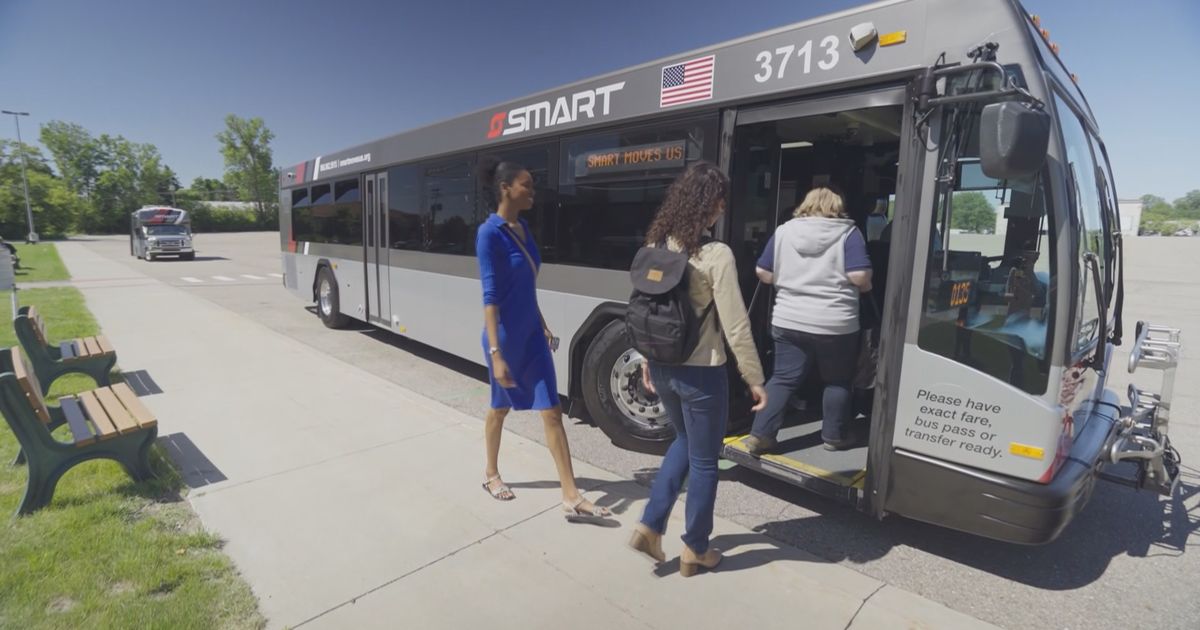
- $25 million for SEPTA's Zero Fare program: Parker intends to continue the city's investment in the program that provides many Philadelphians with free SEPTA passes. Another $10 million will go toward Key Advantage, a program that covers city employees' rides to work.
Parker's proposal is about $200 million more than last year's approved budget. In a more-than-two-hour speech, the mayor also called for more funding for the city's wellness system, additional shelter beds for the unhoused and more.
While the first two budgets of her tenure focused on safer, cleaner and greener initiatives, Parker says the heart of this budget is what she called "economic mobility for all."
"What good is a safer, cleaner, and greener city if our people don't have access to good-paying jobs, quality health care, and a real shot at raising a family, owning a home and to a better and more affordable life?" Parker said.
Parker did not call for any changes to the city's property, wage or business taxes.
The budget proposal is now in City Council's hands, where they'll spend months sorting through the mayor's pitch.
City Council has until June 30 to pass the budget.