Was the plane that crashed in Philadelphia required to have a functioning cockpit voice recorder?

Five weeks after a medical plane crashed in Northeast Philadelphia, leaving seven people dead, the cause is still under investigation.
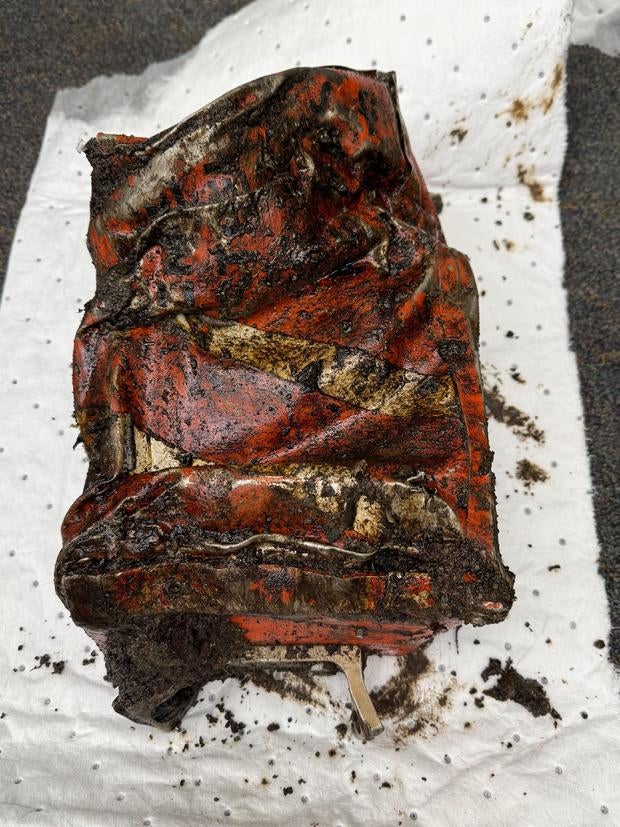
We now know the cockpit voice recorder, which was recovered from the impact crater 8 feet below the sidewalk, was not functioning, according to an NTSB preliminary report released Thursday.
"The most significant item (in the report) was the fact that the cockpit voice recorder was inoperative and had been inoperative for years and that's a real problem in accident investigation," Arthur Wolk, a longtime aviation plaintiffs' attorney and pilot, said after reading the report.
It's unclear whether the medical jet was required to have a functioning cockpit voice recorder. In the U.S., it depends on the size and type of plane. However, the Learjet 55 that crashed in Northeast Philadelphia was owned by Jet Rescue Air Ambulance, a Mexico-based company.
The Federal Aviation Administration (FAA) does not have direct oversight over foreign companies. Instead, it relies on other countries' application of standards from a group called the International Civil Aviation Organization (ICAO).
Wolk says investigators will likely now be left with two ways to find evidence: plane maintenance records from Mexican authorities and the wreckage from the crash.
"This airplane was obliterated and so the problem with accidents like this is you literally have to look at a little piece of something and assume that little piece is telling you useful information," he said.
Wolk says it's possible we might never know what caused the crash in Philadelphia in which case the NTSB could ultimately label the cause, "loss of control for undetermined reasons."
The NTSB has 12 to 24 months from the time of the crash to release its final report.
A spokesperson for Jet Rescue Air Ambulance did not get back to CBS News Philadelphia about whether the plane was required to have a functional voice recorder however last month, he said they adhere to FAA mandates, saying, "We conform with the manufacturer's maintenance directions and with regulatory requirements in Mexico, which are largely the same as in the USA."