"Take A Moment" campaign resurges for World Mental Health Day
The "Take A Moment" campaign started in the U.K. but people everywhere are being invited to close their eyes and reflect, in the name of mental health.
Watch CBS News
The "Take A Moment" campaign started in the U.K. but people everywhere are being invited to close their eyes and reflect, in the name of mental health.

Dense breast tissue can hide breast cancer because it can look white on mammograms, which is the same as masses and cancers.

While breast cancer is most often found in women, anyone can get it. The American Cancer Society estimates 530 men will die of breast cancer this year.

The Phillies didn't want to comment on their players, but doctors said cupping is a popular treatment, often used with massages or acupuncture.

Workers on strike at the GM facility in Bucks County are facing different challenges from those on the facility floor.
This Breast Cancer Awareness Month, Virtua Health is helping people in the Philadelphia area -- even those who don't have insurance -- get their annual mammogram.

Hien Dang's team at Jefferson received a $1.3 million grant for "microbubble" research into treating deadly liver cancer.
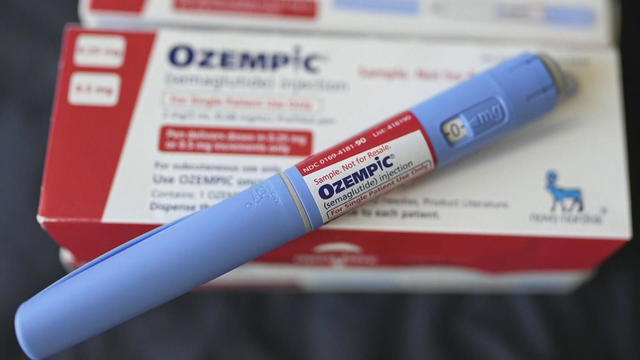
New research says these drugs can cause serious, even deadly side effects.

It's through art that people can flourish or thrive. That's the focus of a new class from the Barnes Foundation and the University of Pennsylvania.

This research is looking at the most effective ways to identify people considering suicide and how best to prevent it.

Research shows there's been a 50% increase in Parkinson's cases over five years, many patients are under age 50.

The morning after pill is usually associated with preventing pregnancy. Now, an antibiotic has been shown to reduce the risk for sexually transmitted infections.

The American Cancer Society is reminding women to grab your girls. That's about holding friends and family accountable for mammograms.

These two hometown heroes are credited with helping to end the pandemic with the vaccine that came from their work.

Two scientists part of the University of Pennsylvania's historic mRNA vaccine research team won the Nobel Prize in medicine on Monday for discoveries that enabled the creation of mRNA vaccines against COVID-19.