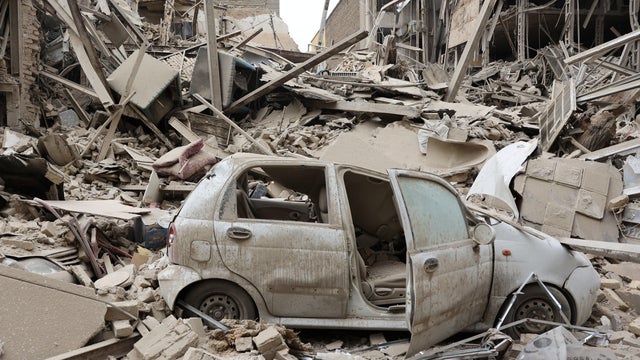
Iran war keeps Strait of Hormuz paralyzed and gas prices on the rise
The Iran war could escalate further as President Trump threatens to hit key oil infrastructure if Tehran doesn't drop its chokehold on the Strait of Hormuz.
Watch CBS News
The Iran war could escalate further as President Trump threatens to hit key oil infrastructure if Tehran doesn't drop its chokehold on the Strait of Hormuz.

Six U.S. service members who were killed in a military refueling aircraft crash over Iraq last week have been identified as members of the Ohio Air National Guard and Florida-based crew members.
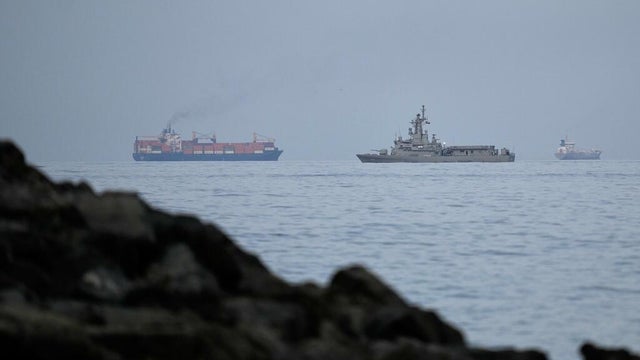
With oil markets paralyzed by the U.S.-Iran war, the Trump administration says it could escort ships through the Strait of Hormuz — a massive undertaking that experts say could already be in the preparatory stages.
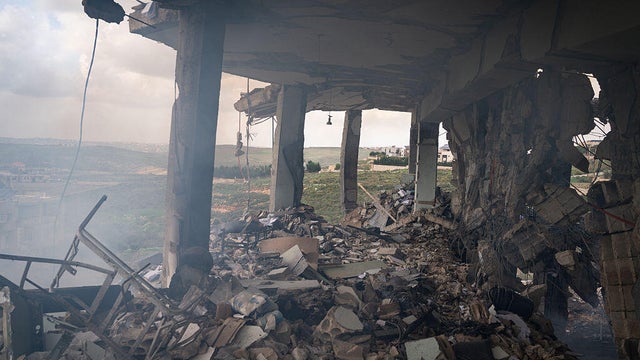
The war, which shows no signs of ending soon, has disrupted oil exports from the region, driven fuel prices far higher worldwide and upended global air travel.
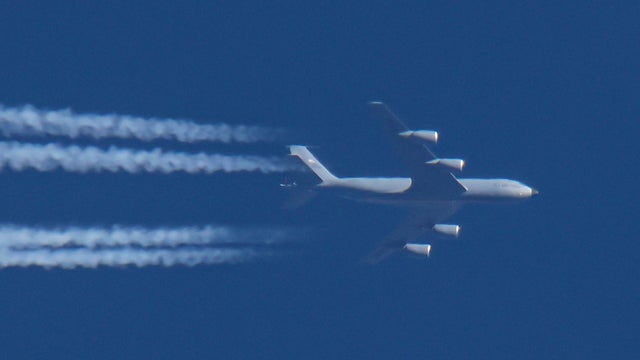
The U.S. military has confirmed that all six crew members were killed when an American KC-135 refueling plane taking part in the Iran war crashed in western Iraq.
An aerial refueling tanker crashed in Western Iraq, U.S. officials said.
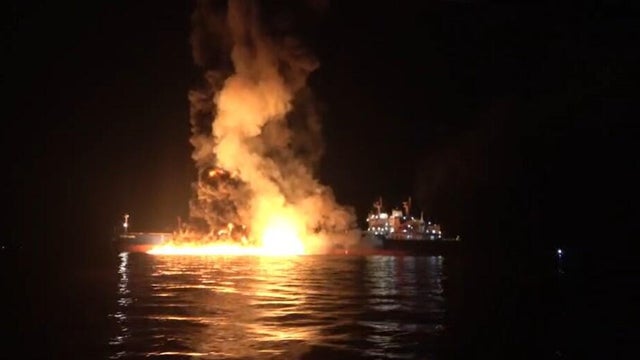
Iran's relentless attacks on Gulf states and infrastructure appear to be overshadowing interventions by the U.S. and its allies aimed at easing energy prices.
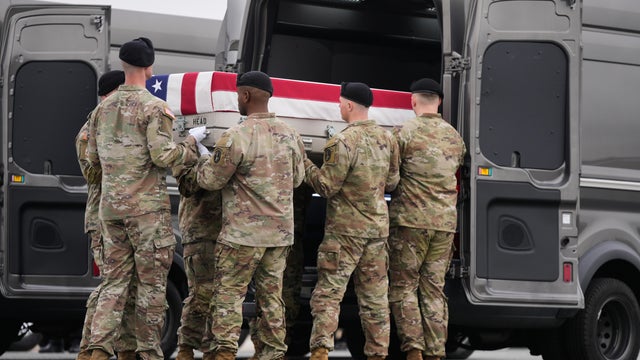
About 30 U.S. service members remained hospitalized Tuesday after an Iranian drone strike in Kuwait.

President Trump says he'll end the war soon, when he wants to, as Iran hits ships in and near the Strait of Hormuz and warns U.S.-linked banks will be next.
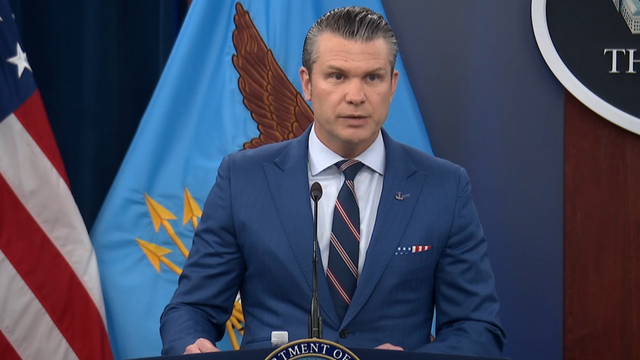
Defense Secretary Pete Hegseth said Tuesday that it would be the "most intense day" of strikes against Iran so far.
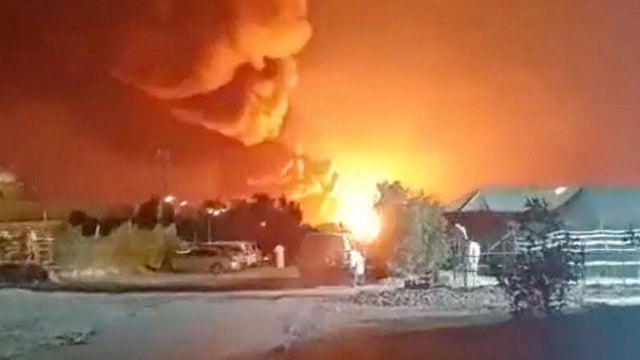
President Trump says the Iran war will end "very soon," but Tehran says it's "prepared to continue attacking" indefinitely, and it won't let oil leave the Gulf.

President Trump's assurances that a rising U.S. death toll and soaring energy prices will be temporary and worth the pain are failing to assuage jittery investors.

The preliminary U.S. intelligence assessment suggests that the U.S. is "likely" responsible for the bombing of the girls' school in Iran on Feb. 28.

Hundreds marched along Fifth Avenue in Manhattan on Sunday, calling for liberation in Iran while standing in solidarity with its people.
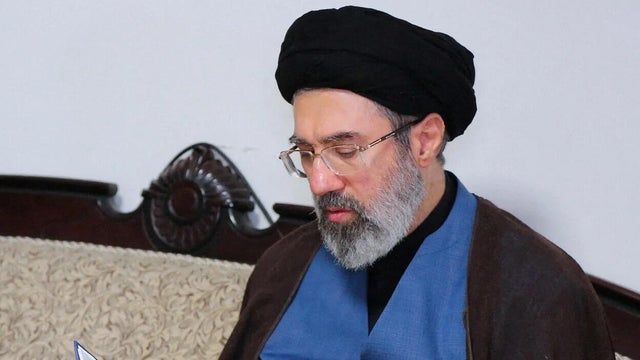
Mojtaba Hosseini Khamenei served in the Iran-Iraq war in the 1980s where he developed close ties with the military services and with the Islamic Revolutionary Guard Corps.