Double-lung transplant gives 9/11 first responder a second chance at life

A 9/11 first responder is getting a second chance at life after receiving a double-lung transplant.
Nearly 24 years after the terrorist attacks, advanced lung disease is not unusual for those who worked at Ground Zero.
"Now, it's totally different"
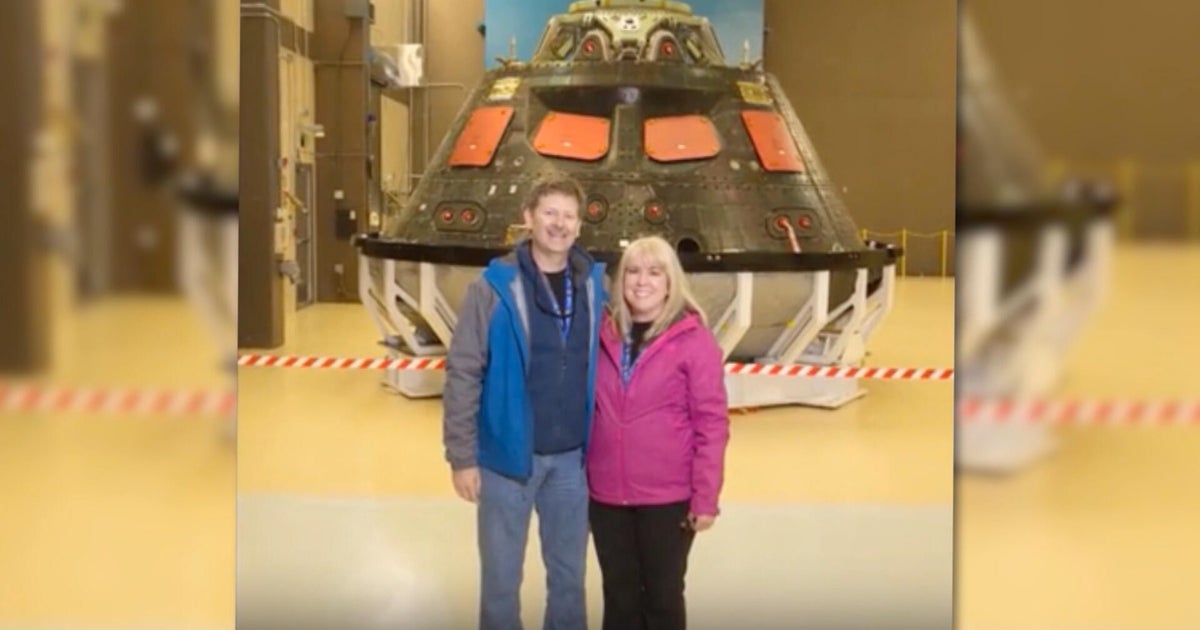
As a New York City Police Department Emergency Services Unit member in 2001, Bill Giammarino spent months searching for survivors, and then remains.
"Fourteen guys I worked with died that day, you know, and that's who you were thinking about. You weren't thinking about yourself," he said.

He would soon develop a cough, and, decades later, debilitating end-stage lung disease.
"It was terrible. Not breathing is hard," Giammarino said. "Now, it's totally different."
It's all thanks to a new set of lungs.
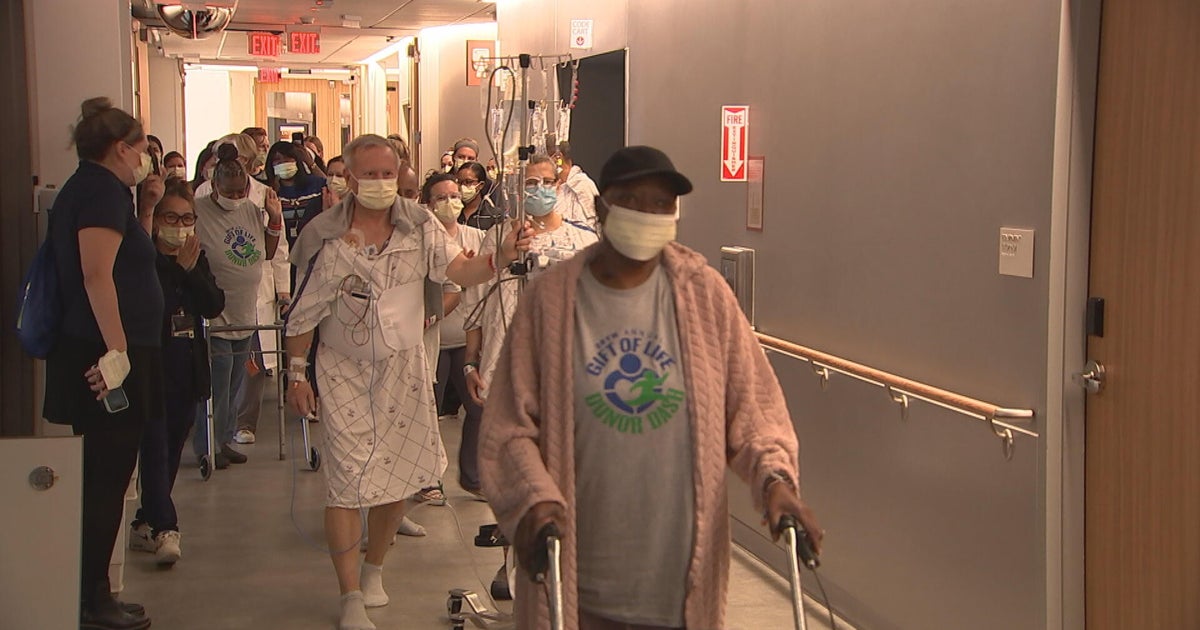
The double-lung transplant was performed at North Shore University Hospital last year. It was on Sept. 11, 2024, that he took his first unassisted breaths.
One year later, Giammarino, now 62, is looking so much healthier, his doctor said he didn't even recognize him.
"It gave him his life back"
Northwell Health doctors say as time goes on, 9/11 diseases are getting more acute.
"We're seeing more severe illness. We're seeing folks, like Bill, who have such severe lung disease that they require a transplant," said Jacqueline Moline, director of Northwell's Queens World Trade Center Health Program.
The WTC Health Program has approved 111 double-lung transplants.

But Giammarino says his story is living proof that for some, there is hope.
"I was terminal. If I didn't get a lung transplant, I probably would have died," he said.
"It really is a miracle. He's 100% better. He can do just about anything," said Debra Cilenti, Giammarino's wife. "It gave him his life back. He wouldn't have been here today. He didn't have much time."
The new lungs can triple the length of survival and can even last decades. If not, a second transplant is an option.
"If I can get the medical attention and live longer, hopefully other people can also," Giammarino said.
The WTC Health Program has 140,000 participants.