Schomburg Center in Harlem continues its centennial in 2026 with renewed purpose

The New York Public Library's Schomburg Center for Research in Black Culture continues to celebrate its centennial anniversary in 2026 with a renewed sense of purpose. This year makes 100 years since the library became owner of its namesake's personal collection, making it a full-fledged research center.
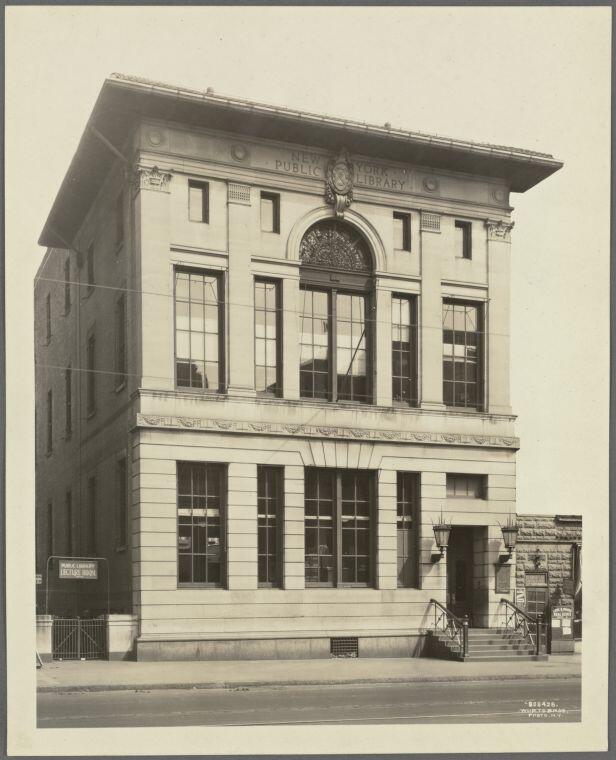
Located at Malcolm X Boulevard between West 135th and 136th Streets, the Schomburg Center was originally called the 135th Street Library when it opened in 1905 as the first public library in NYC with an integrated staff. It would later become a meeting ground for titans of the Harlem Renaissance: in the visitors log, you can still see sign-ins from the likes of Zora Neale Hurston and Langston Hughes.
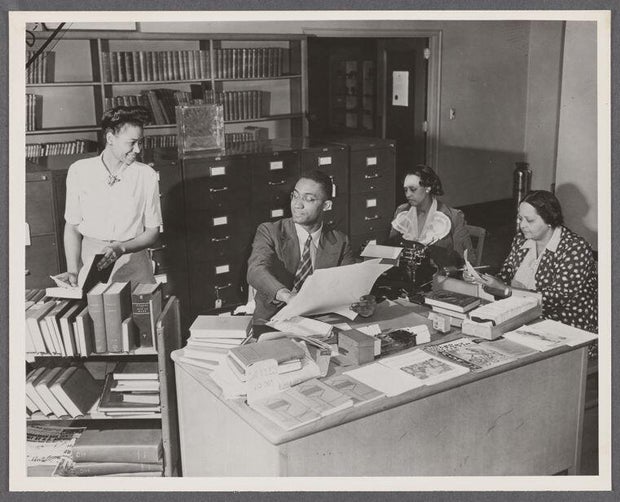
"They're all converging, meeting in the library because they recognize the importance of preserving our history and culture." said Barrye Brown, a curator at the Center in its Manuscripts, Archives, and Rare Books collection.
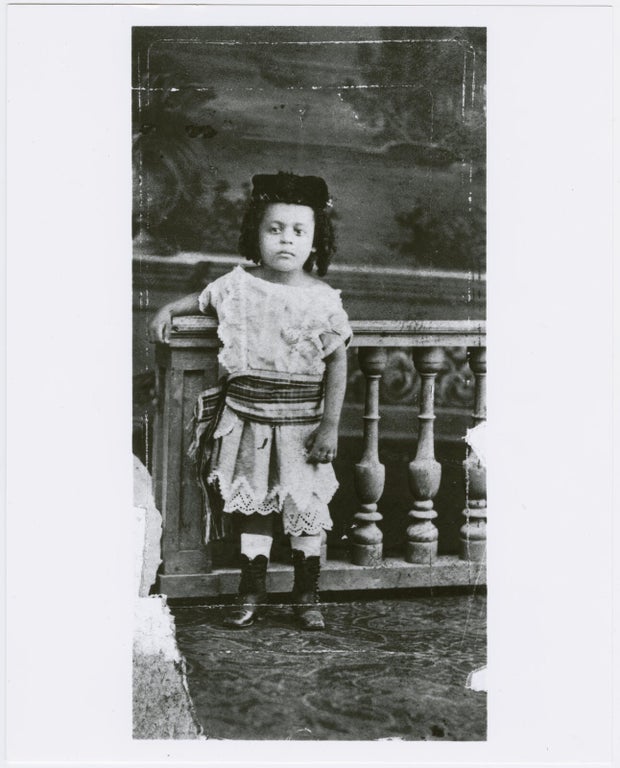
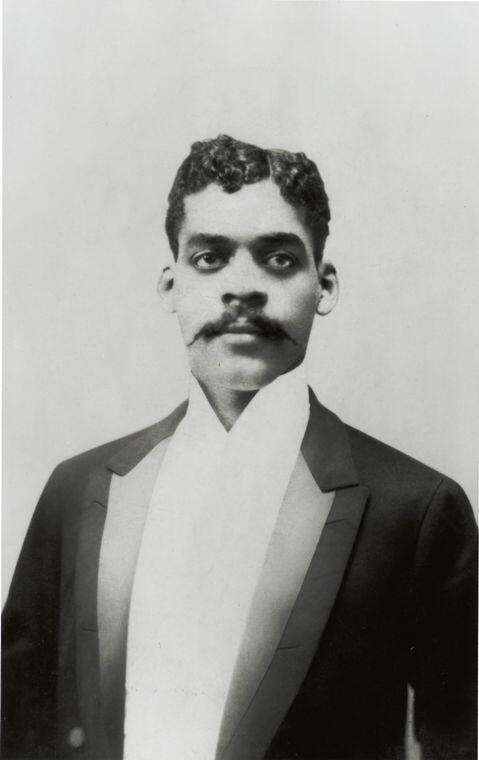
The Harlem Renaissance is remembered as a pivotal point in Black American history. Musicians, actors, writers, and artists gathered in upper Manhattan to exchange ideas, share their work, and advocate for civil rights. In late 1924, Afro-Puerto Rican bibliophile Arturo Schomburg joined a team of fellow activists and scholars who would create the then-called Division of Negro Literature, History and Prints in response to library requests for more books written by or about Black people.
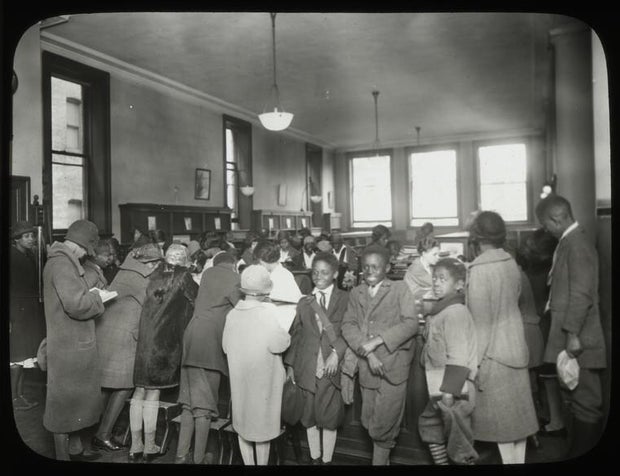
"Community members wanted to see books that reflected their experiences," said Brown.
That division would go on to become the Schomburg Center with Schomburg himself contributing more than 5,000 pieces of history, artwork, artifacts, rare books, and more. Over the next 100 years, the Schomburg Center would continue to preserve Black history in the United States and across the diaspora, as well as document the contributions of people of African descent to society.
In addition to her role as a curator, Brown is also co-editor of the forthcoming book, "Black Studies on 135th Street: The Founding and Future of the Schomburg Collection," which examines the history and impact of the Schomburg collection. Brown recalls hearing stories about the Black experience in America during childhood from her Black grandmother—stories she says were rarely acknowledged or taught in educational settings. The need to preserve those stories—and that history—would inspire her career pursuit, quite similar to how Arturo Schomburg was.
"He asked [his] teacher when would [students] learn about the history of people who looked like him," Brown recounts an origin story the Schomburg Center frequently reminds its visitors of. "The teacher told him that there was no such thing and that people who looked like him had never done anything worthwhile. So, that is what started him on his collecting journey."
A journey that continues long after Schomburg's passing. Today, all visitors need is a library card to book appointments for one-on-one time with research materials. You can also regularly visit open exhibits, like The World War II Letters Project , which was spearheaded by Dr. Lawrence Reddick, Schomburg's successor and the author of "Crusader Without Violence: A Biography of Martin Luther King, Jr."
"[Reddick] felt at the time, and very rightfully so, that the work and achievements of Black men and women serving in the armed forces would not be adequately or accurately, documented and preserved by the National Archives." Brown explains.
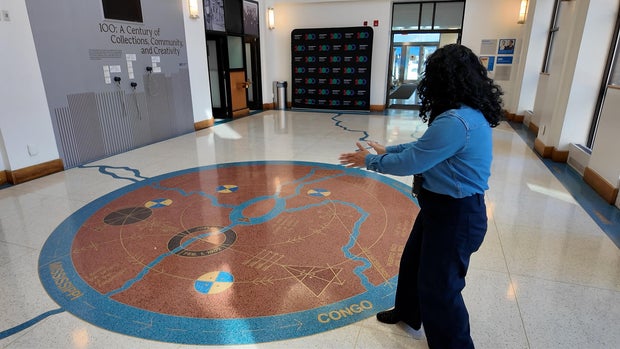
A highlight of the Center is not far from the lobby. When you walk past the front desk, look down and you'll see public art display called a cosmogram, a sort-of map that traces and represents a person or group's culture, history, and greater place within the world. It's the kind of thing you have to see to truly appreciate; the gorgeous brass and terrazzo installation is called "Rivers" by Houston Conwill. Named after Langston Hughes's 1921 poem "The Negro Speaks of Rivers," the artwork includes text and symbols that pay tribute to the African tradition of ground markings while also weaving a connection between the lives of Arturo Schomburg and Langston Hughes whose paths crossed in Harlem. Hughes' ashes are buried underneath.
"This history is for everyone. And that's what we want people to know. You know that this history is yours."
Have a story idea or tip in Harlem? Email Noëlle by CLICKING HERE.