Organizations celebrate 100th anniversary of Black History Month

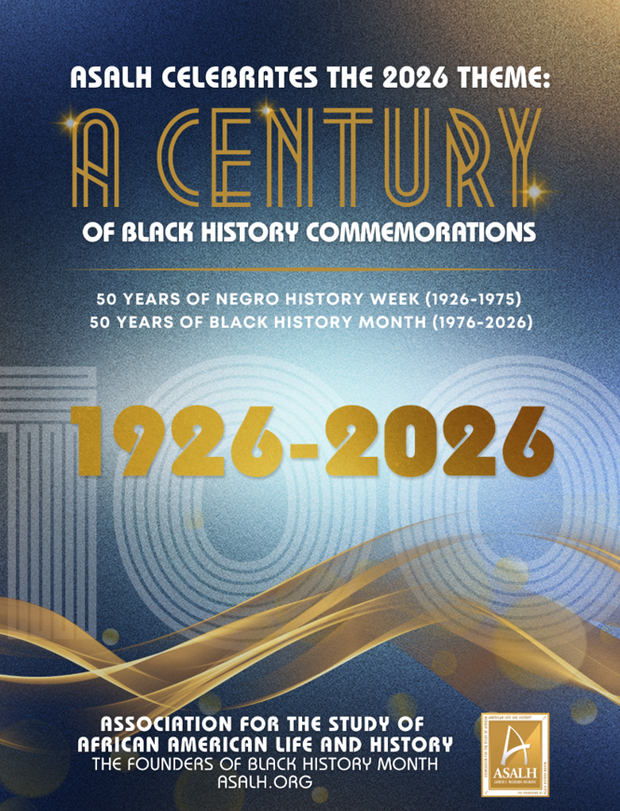
Dr. Kaye Wise Whitehead and the Association for the Study of African American Life and History (ASALH) are celebrating the centennial of what began in 1926 as Negro History Week.
Founded by Dr. Carter G. Woodson, it grew into Black History Month under President Gerald Ford.
Educating about Black history
Dr. Whitehead, the ASALH President, believes this is a pivotal time for Black history.
"We're talking about laying the groundwork, laying the foundational work that needs to be done so that Black history is taught as a part of the American historical curriculum and story," Whitehead said. "It's not just about only one month, and then, you know, when we come out of February, we don't talk about Black History Month again until next year. It's about setting aside this month to lay the foundation of work."
Through national programs, social media and prominent speakers, ASALH lays that groundwork by maintaining its position at the forefront of black history and empowerment.
ASALH highlights all of the contributions to American history that Black people have made.
"That Black history is written in pen and not in pencil," Whitehead said. "You cannot dismantle, you cannot erase, you cannot destroy the stories of Black people in this country."
"We stand up, and we fight back"
This year's theme for Black History Month is "a century of Black history commemorations."
Black history is facing threats of being rewritten or erased. Last month, a memorial honoring people enslaved by George Washington was removed in Philadelphia under an executive order.
Whitehead said Black people are no strangers to fighting for all sides of their stories.
"I've been telling people that when our history is under attack, what do we do? We stand up, and we fight back," Whitehead said. "We make sure that our history remains a part of the story. We make sure that we're not only protecting, promoting, and preserving, but we are learning about our history."
Maryland's chapters of ASALH
ASALH has several chapters across the country, including three in Maryland.
Edwin T. Johnson, the President of the Roland McConnell Branch in Baltimore and the historian at Morgan State University, said his two roles go hand-in-hand.
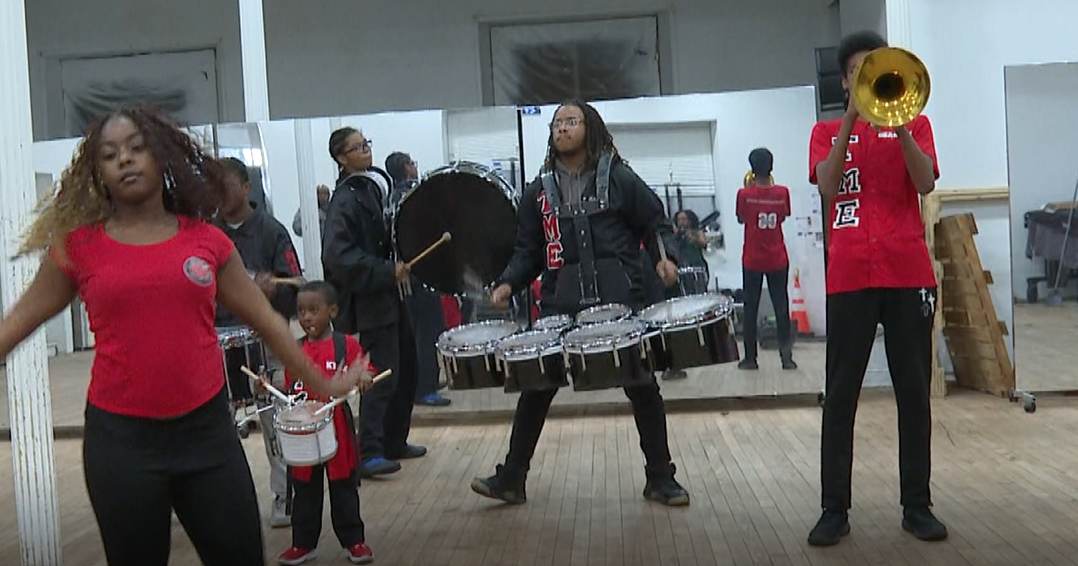
"Well, Morgan State University has always been a training ground, and ASALH has always been a training ground as well," Johnson said. "So most of the programs that we do, we look to partner with undergraduate student organizations here on campus."
Johnson continued, "We have not achieved perfection as a society here in America; there are some battles that we need to continue fighting, and because we need to continue fighting those battles, we have to train soldiers. So the next generation has to be in training."
Johnson said part of the training is asking if there would be a United States of America without the contributions of African Americans.
"And I would immediately respond, 'No, there wouldn't, so why is there a 150-year gap between the two?'" Johnson said.
Preserving Black history
Johnson stressed the importance of encouraging young people to think broadly and continuing to carry the torch.
"So we've got some ways to go, but, but we're making progress and 100 years is definitely evidence of the fact that we're here to stay," Johnson said. "We've got work to do, and that there's another generation coming forth to carry the torch forward."
Dr. Whitehead said that sewing the seeds of the next generation boosts and preserves Black history.
"The more you sow the seeds of truth and knowledge, it's one more person on our side, one more person who's helping us to do the hard work protecting, promoting, and preserving Black history," Whitehead said.