Amtrak has made real progress in East River Tunnel rehabilitation. Here's what's been accomplished.

Six months into one of the largest infrastructure projects beneath New York City, Amtrak has been working around the clock to rehabilitate two of the four century-old tubes of the East River Tunnel, which was badly damaged by Superstorm Sandy back in 2012.
CBS News New York's Elijah Westbrook recently got a look at the work underway and what it will eventually mean for commuters.
Nearly half the work is done, officials say
Neary 100 feet down, crews are reconstructing one of the two tunnels served by Amtrak, the Long Island Rail Road and NJ Transit.
A two-and-a-half-mile stretch connects Manhattan's Penn Station to Queens, but officials say decades of wear and tear, salt water seepage, and the lingering effects of Sandy have left two of the four tubes in desperate need of repair.
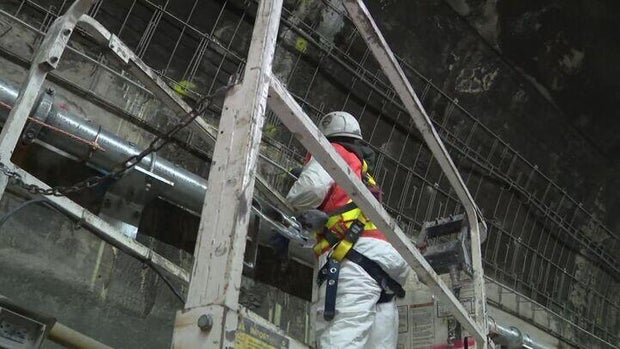
The good news is, nearly half of the work is done.
"We have completely removed those bench walls and all of the electrical conduit utilities that were inside, which we've found to be significantly damaged," said Warren Lebeau, Amtrak's vice president for infrastructure delivery.
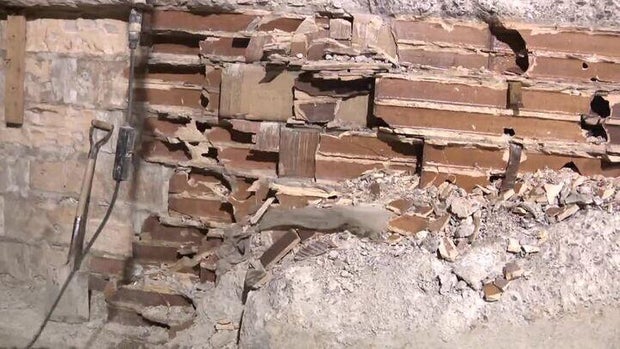
The tunnel has been stripped down to the concrete liner. Westbrook was told the project isn't just about modernizing and replacing what was, but also fixing major safety issues.
"We're going to be able to evacuate customers at the right height, inspect and turn the train to safe operations, and the new systems will always be able to rely on service in this tunnel for the next 100 years," Lebeau said.
The plunge forward hasn't come without controversy
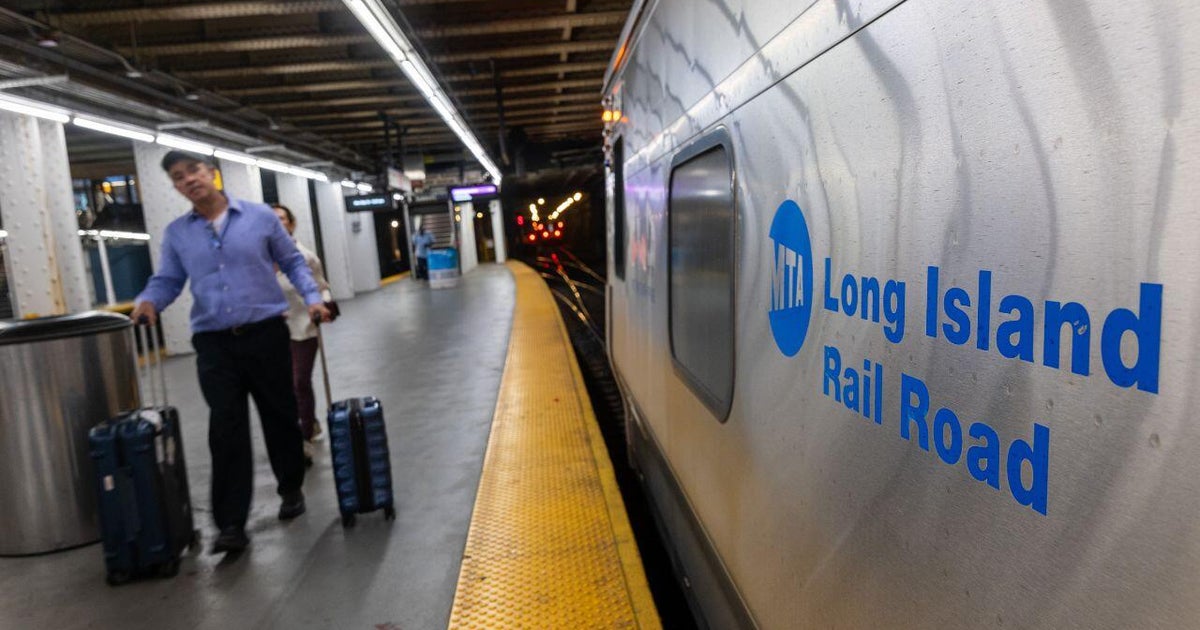
Back in September, construction halted service for LIRR riders due to an unspecified issue in the tunnel, a fear the MTA had when the project was initiated.
But after seeing the progress at this point, there seems to be a bit of optimism.
"We should expect it to be returned on-time so we can prepare for the next time," LIRR President Rob Free said. "We want to get this work over and done with so that we can get back to providing full service for both systems and provide reliable service."
Officials say once the project is finished, hundreds of trains per day will traverse through those tubes.
The overall project is set to be finished in 2027.