As dangerously cold weather arrives in NYC area, experts urge caution when outdoors
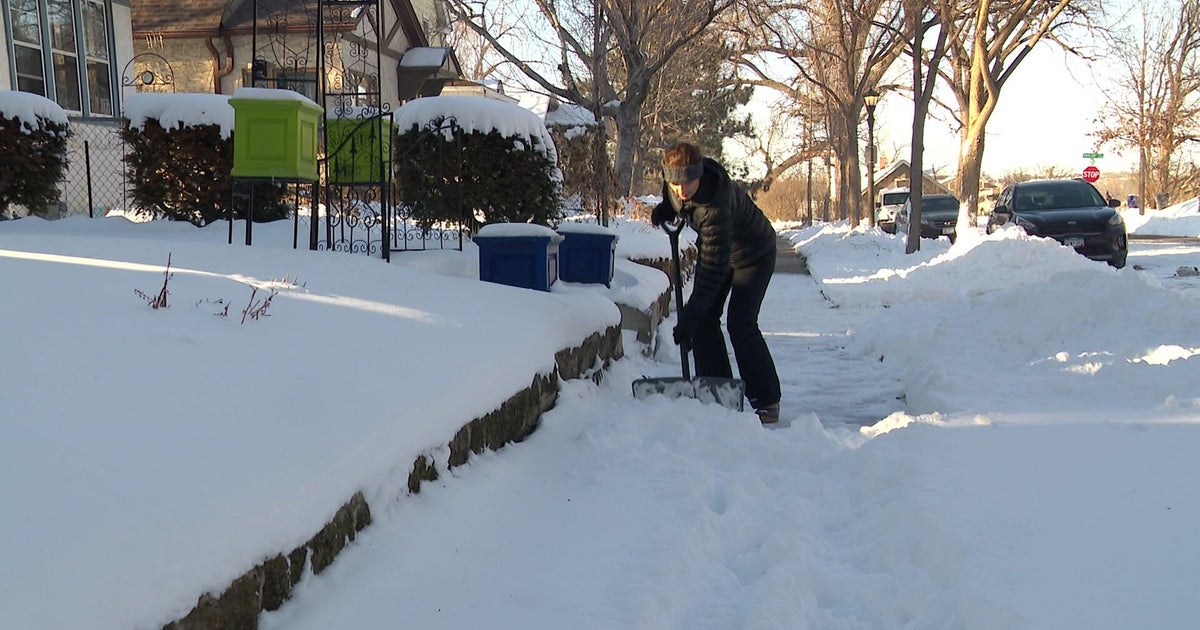
Many residents waking up across the Tri-State Area on Tuesday will be greeted by sub-zero wind chills, and that freezing feel will last all day.
When the temperatures plummet, many dangers lurk, including hypothermia, frostbite and even a heart attack.
Signs of hypothermia, frostbite and more
The deep freeze hitting our area can be deadly, in some cases.
Dr. Alina Metina, an emergency room physician at Hackensack University Medical Center, said children and elderly individuals are among the most vulnerable and should limit their time outdoors.
She said the most common weather-related problem she treats is frostbite.
"Signs of frostbites are a pale, cool extremity, like your finger, your toe, and it can actually lead to permanent nerve damage," she said.
Metina said hypothermia is another big one.
"If you start shivering, if you get confused, if you have a walk that seems unsteady, definitely go to the emergency department," she said.
For those thinking an alcoholic drink could do the trick, experts say it may give you a false sense of warmth.
"If you are having a low body temperature and you are intoxicated or mentally impaired, you might not realize the stress your body is going through," Metina said. "And that could lead to a very, very dangerous outcome."
How to stay safe outdoors in freezing temperatures
For most of us, the wicked chill in the air is enough to stay indoors until further notice, but some dog owners don't really have a choice.
"That's the only reason I'm standing in the cold right now, is because of him. He likes it," said Dylan, who was out with his husky named Loki. "They love the cold, you know."
Experts say the safe amount of time outdoors depends on the dog's size and breed, but when the temperature drops below 20 degrees, all dogs are at risk of hypothermia. Owners are advised to keep walks short and monitor their pet's behavior.
Others, from horse carriage drivers to delivery workers, don't have the luxury of staying indoors, so it's a matter of being prepared.
"Layers, layers, layers. The more layers the better," Metina said.
If you find yourself in a situation that's on the brink of frostbite or hypothermia, experts say one of the most effective remedies is skin-to-skin contact, even if it means putting your hands under your armpits until you get feeling back.