Trump briefed on military, cyber, psychological options for Iran, sources say
President Trump has been briefed on a wide array of military and covert tools that can be used against Iran that go well beyond conventional airstrikes, according to two Defense Department officials who spoke to CBS News under condition of anonymity to discuss national security matters.
The president's national security team will hold a meeting at the White House on Tuesday to discuss updated Iran options, according to several other sources familiar with the matter. It is unclear whether the president himself will be in attendance.
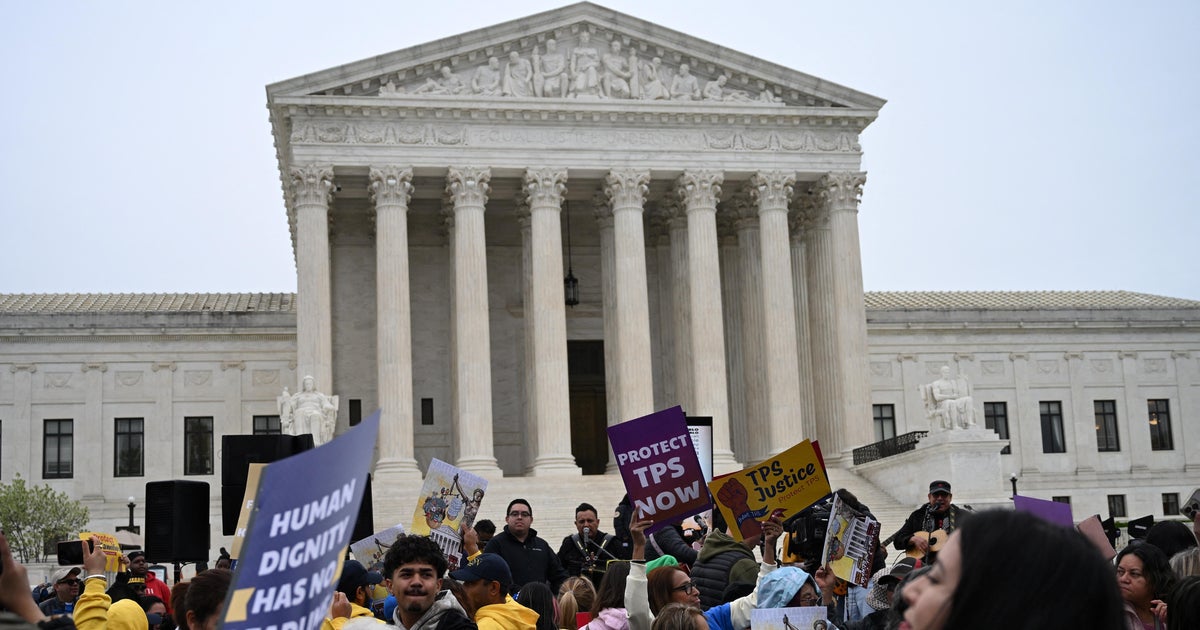
As anti-regime protests sweep Iran, Mr. Trump has warned for weeks that he may intervene if Iranian security forces kill protesters. He told reporters Sunday that Iranian leadership indicated that it wants to negotiate, but the U.S. military is "looking at some very strong options."
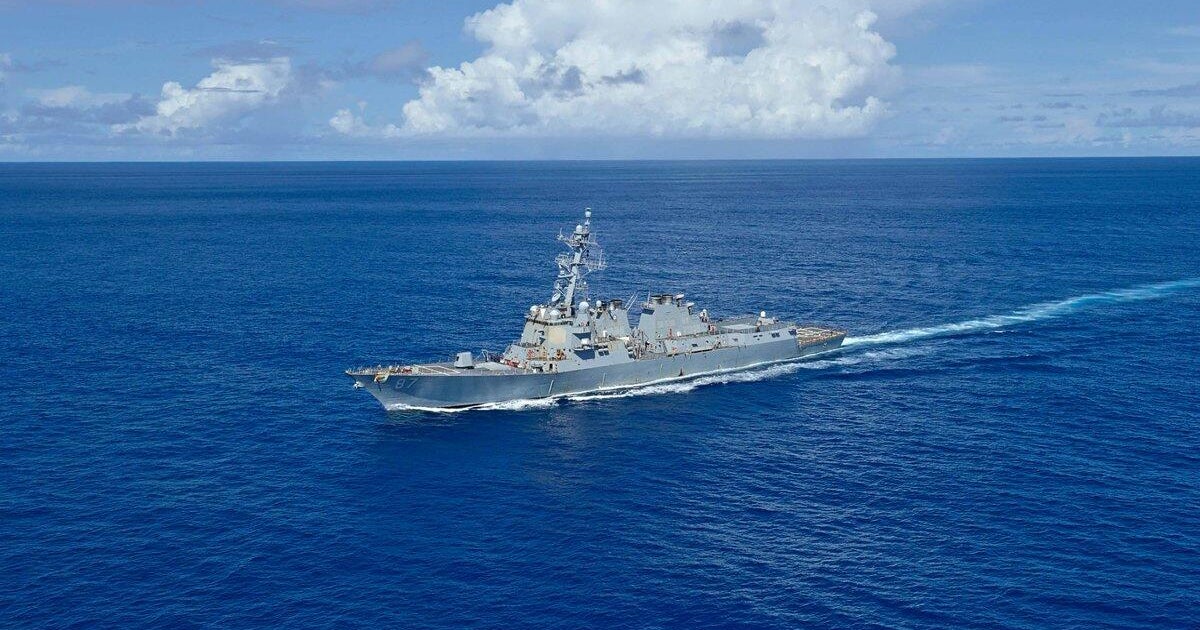
Air power and long-range missiles remain central to any potential military response in Iran. But Pentagon planners have also presented cyber operation options and psychological campaigns intended to disrupt Iranian command structures, communications and state-run media, according to the officials.
The officials said cyber and psychological operations can occur simultaneously with traditional military force, in what military planners call integrated operations. They could also be deployed as stand-alone options.
The defense officials did not detail what digital infrastructure is under consideration for targeting in Iran or what, exactly, the psychological campaign against Iran's state-run media would look like if Mr. Trump were to authorize it.
The two American officials emphasized that no final decision had been made and that diplomatic channels remain open. Still, the expanded menu of options suggests that Washington is preparing for scenarios in which conflict could extend beyond battlefield strikes to include sustained digital and influence campaigns.
CBS News has previously reported that Mr. Trump was briefed on options for military strikes in Iran.
White House press secretary Karoline Leavitt told reporters Monday that the president is "unafraid to use military options if and when he deems necessary." She said airstrikes are "one of many, many options that are on the table for the commander in chief."
Leavitt added that "diplomacy is always the first option," and said that "what you're hearing publicly from the Iranian regime is quite [different] from the messages the administration is receiving privately."
Iranian Foreign Minister Abbas Araghchi reached out to Special Envoy Steve Witkoff to engage in direct diplomatic talks, according to two sources with knowledge of the talks. A possible meeting is under discussion.
Protesters have taken to the streets in all 31 provinces in Iran for two weeks, and at least 544 have been killed, according to the Human Rights Activists News. The agency found that protesters who were killed died by live ammunition or pellet gunfire, predominantly at close range.
Late last week, Iranian authorities cut phone service and internet access in the capital during the protests, according to the internet monitoring organization NetBlocks. On Sunday, Iran's state-controlled media took the unusual step of airing video showing mass casualties in and outside a morgue in a Tehran suburb, a move that may have been an attempt to show sympathy with the protesters and suggest that radical actors, inspired by Mr. Trump's messages of support, are behind the violence, not the Iranian government.
Mr. Trump warned Friday that if Iran begins "killing people like they have in the past, we would get involved," saying: "We'll be hitting them very hard where it hurts."
Asked Sunday if he would consider military and commercial installations as legitimate targets, Mr. Trump said "we consider things targets … that they wouldn't believe."
Iran has lashed out at the U.S. in response and claimed the protests are U.S.-inspired.
"Today like the past, the US is wrong in its calculations about Iran," Iran's Supreme Leader, Ayatollah Ali Khamenei, wrote on X Friday.
Seven months ago, Mr. Trump ordered strikes on three Iranian nuclear sites during a days-long conflict between Iran and Israel.