Should you get pet insurance for an older dog or cat?
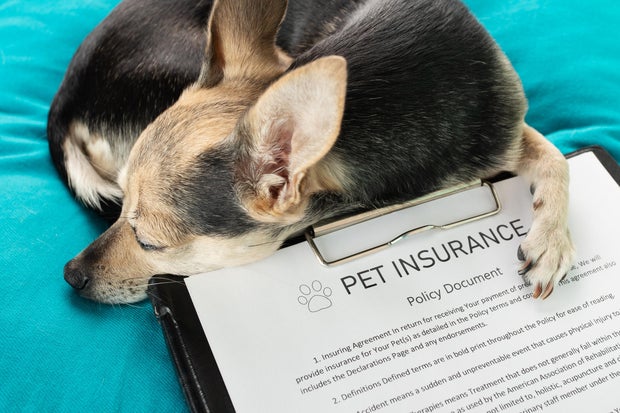
As dogs and cats get older, their veterinary needs tend to change. What was once primarily limited to annual checkups and routine vaccinations can turn into more frequent veterinary appointments, diagnostic testing and treatment for age-related conditions. And while those additional vet visits can help keep an aging pet healthy and comfortable, they can also lead to hefty veterinary bills that add up quickly, especially as veterinary care costs continue to climb.
After all, an unexpected surgery, cancer diagnosis or emergency hospitalization can require thousands of dollars in veterinary care, and even ongoing treatment for relatively common conditions can put a strain on a household's finances over time. For owners of senior pets, that raises an important question about whether it's worth paying for pet insurance later in an animal's life.
Pet insurance premiums typically increase as animals age, and some insurers place restrictions on coverage for older dogs and cats. So, before purchasing a policy for your aging companion, it's important to know whether the potential benefits justify the added monthly expense.
Find out more about your pet insurance coverage options online now.
Should you get pet insurance for an older dog or cat?
A pet insurance policy can provide valuable financial protection for older animals, but whether it's truly worth purchasing for an older pet depends on several factors, including your pet's age, medical history and the coverage options available. Here's what to consider before purchasing a policy:
Older pets are more likely to need expensive veterinary care
One of the strongest arguments for insuring an older pet is the increased likelihood of significant veterinary expenses as pets age. Senior dogs and cats face higher risks of developing conditions such as cancer, kidney disease, diabetes and arthritis, some of which require ongoing treatment or expensive procedures.
For example, diagnosing and treating cancer in your pet can involve imaging, surgery, chemotherapy and follow-up appointments, potentially resulting in thousands of dollars in veterinary bills. An accident or unexpected illness could also require emergency hospitalization, regardless of your pet's age.
Having insurance in place could help offset some of those expenses, particularly if your pet develops a covered condition after the policy takes effect. That protection can make it easier to pursue the recommended treatments without having to shoulder the entire cost yourself.
Find the right pet insurance policy for your furry family member now.
Premiums can be significantly higher for senior animals
While older pets may benefit from insurance, they also tend to be more expensive to insure. That's because insurers generally consider a pet's age when determining premiums and the likelihood of costly claims increases as animals get older.
As a result, a policy for a 10-year-old dog could cost substantially more than comparable coverage for a younger animal. Pet insurance premiums also vary based on breed, location, coverage limits and deductible amounts.
Those higher premiums deserve careful consideration, particularly if you're working with a limited budget. Paying a substantial monthly premium for several years without filing a major claim could ultimately cost more than paying for routine veterinary care yourself.
However, comparing pet insurance premiums alone doesn't tell the whole story. A pet insurance policy that costs more upfront could still provide meaningful financial protection if your pet develops an expensive covered illness.
Pre-existing conditions can limit the value of coverage
One of the biggest drawbacks of purchasing pet insurance later in an animal's life is how insurers handle pre-existing conditions. Most pet insurance policies exclude medical problems that existed or showed symptoms before coverage began or during an applicable waiting period. That means, for example, that if your older cat has already been diagnosed with kidney disease, a new policy generally won't cover treatment related to that condition.
Some pet insurers may eventually cover certain curable pre-existing conditions after a specified symptom-free period, but chronic illnesses are typically excluded. This distinction matters because older animals are more likely to have established medical histories. Before enrolling, review your pet's veterinary records and the policy's exclusions to determine how much useful coverage you'd actually receive.
Some insurers restrict enrollment based on age
Not every pet insurance company accepts animals of all ages. Some insurers impose maximum enrollment ages, while others offer coverage to senior pets without an upper age limit. Coverage options can also differ. An older animal might qualify for accident-only insurance but have fewer choices for comprehensive accident-and-illness protection.
If you're considering coverage, compare multiple insurers rather than assuming your pet is too old to qualify. And, be sure to pay particular attention to reimbursement percentages, annual pet insurance coverage limits, deductibles and waiting periods, as these factors determine how much financial assistance you'll receive when filing a claim.
Your savings and your pet's health should influence the decision
The value of a pet insurance policy depends partly on your ability to absorb unexpected veterinary expenses. If a $5,000 emergency veterinary bill would force you to borrow money or delay necessary treatment, insurance could provide worthwhile protection, even with higher premiums. Conversely, if you have substantial savings earmarked for veterinary expenses, paying out of pocket may be more economical.
Your pet's current health also matters. An otherwise healthy senior dog or cat may have more opportunities to benefit from new illness coverage than an animal with several existing chronic conditions.
The bottom line
Purchasing pet insurance for an older dog or cat can make financial sense, particularly if your pet is relatively healthy and an unexpected veterinary bill would be difficult to afford. However, higher premiums, age restrictions and pre-existing condition exclusions can substantially reduce the value of a new policy.
Before enrolling, compare quotes from several insurers and carefully review what each policy covers. You should also weigh the annual premium and potential out-of-pocket costs against your savings and your pet's medical needs. Ultimately, the right decision is the one that provides meaningful financial protection without creating an unnecessary expense.