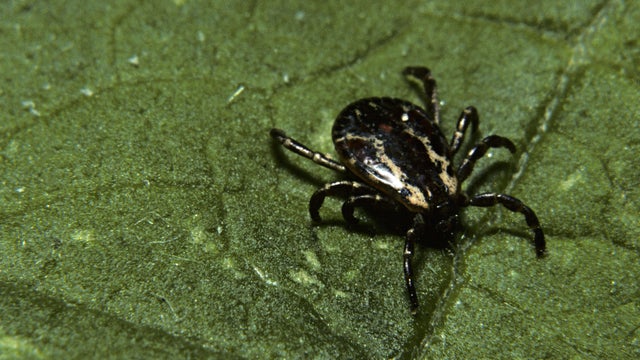
Warmer winters are helping ticks survive and spread in Minnesota, experts say
Milder winters mean more ticks survive to the following spring, and a southern species that can trigger a red meat allergy is now gaining ground in Minnesota as a result.
Watch CBS News
Milder winters mean more ticks survive to the following spring, and a southern species that can trigger a red meat allergy is now gaining ground in Minnesota as a result.
An insect known for carrying debilitating diseases wasn't always on Minnesotans' radar. In this Good Question, Jeff Wagner digs into the history of ticks in our region and why concern has never been greater.
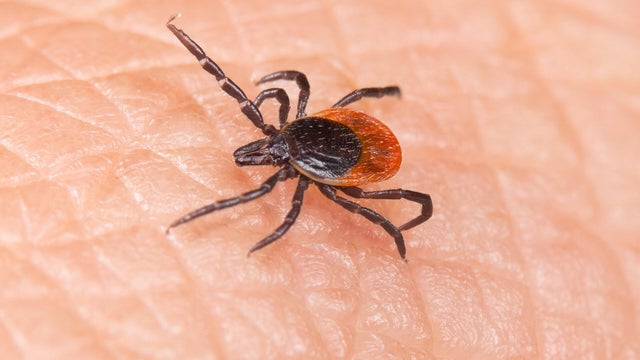
Emergency room visits for tick bites this year are at the highest levels since 2019, especially in the Northeast, according to data from the Centers for Disease Control and Prevention.
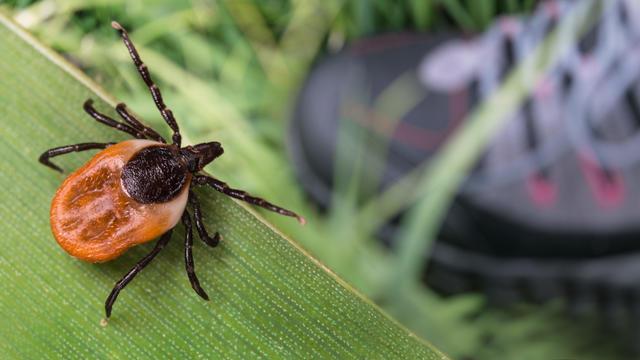
While outside this spring, it's easy to forget about a small biting inconvenience. But May is Lyme Disease Awareness Month, a time to raise awareness about Lyme disease, its symptoms and the importance of tick bite prevention.
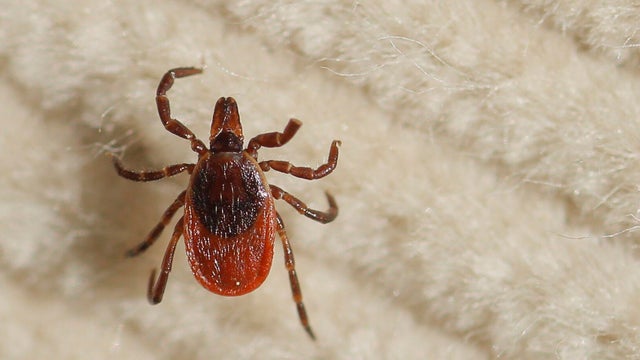
Lyme disease gets a lot of attention, but as there's been an uptick in deer tick numbers over the years, another illness has caught officials' eyes.

With the warm weather comes deer ticks. They can carry Lyme disease and something called the Powassan virus. John Lauritsen explains what that is and why it's a concern for Minnesotans.
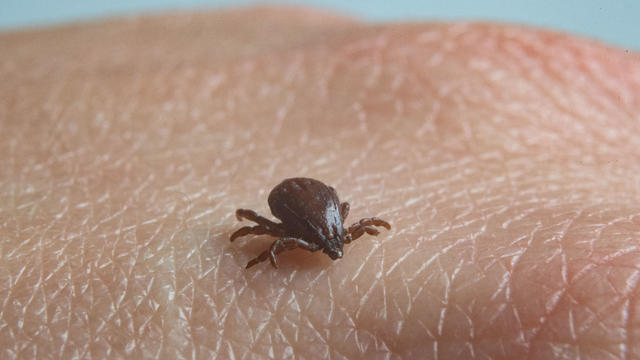
According to the Centers for Disease Control and Prevention, Minnesota is the fifth worst state for tick-borne illnesses. But after the mild winter the state just saw, ticks could get much worse than usual.

Researchers were hoping to deploy collars to seven male bucks and seven female does Friday morning, but the helicopter had to stop flying briefly due to thin ice, as researchers and deer were falling through into shallow water.