Researchers at Minnesota's Raptor Center hope bird flu study can help turkey farmers

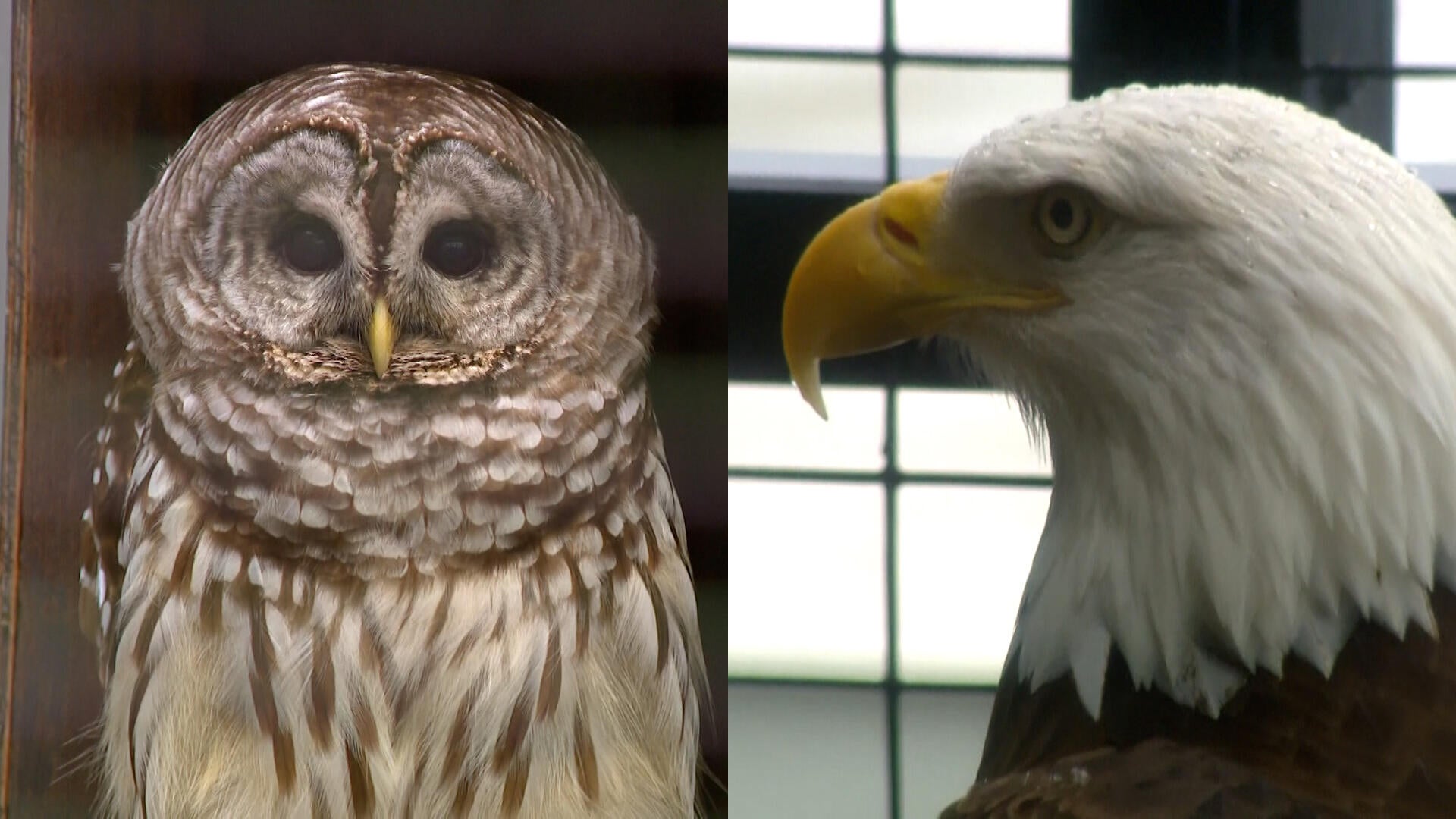
Could baby owls and eagles be the key to stopping the spread of bird flu? The Raptor Center at the University of Minnesota in St. Paul is hoping their research can help turkey farmers.
This time of year, visitors flock to the Raptor Center to learn about falcons, hawks, owls and eagles. But in another part of the building, researchers are learning how these birds are impacted by avian influenza.
"Every bird that comes into our hospital is tested for the virus," said Dr. Jonathan Sleeman.
He says over the past few years, they've tested over 5,000 birds by swabbing them, much like a COVID-19 test. So far, 270 raptors have tested positive for bird flu, including some baby owls and baby eagles. Sleeman says it's research that could help poultry farmers.
Minnesota still ranks as the No. 1 turkey-producing state. But since 2022, more than 10 million commercial birds have been lost to avian influenza.
"This could be a very important early warning system for threats to public health and to our poultry industry here in Minnesota," said Sleeman. "We found a case in a bald eagle in September two weeks before it was found in a turkey farm."
That information allows farmers to increase biosecurity measures. Sleeman says the good news is raptors appear to be developing somewhat of an immunity to the virus. The bad news is that research shows the bird flu is likely endemic — meaning it could be a problem for years to come.
"These viruses all surprise us, right? So, we want to make sure that we continue to be vigilant, continue to do surveillance and continue to be prepared for potential outbreaks in the future," said Sleeman.
Sleeman says they've been doing bird flu testing at the Raptor Center since 2022. It's mostly done on live birds, but can also be done on raptors who have been euthanized due to health issues.


