Three St. Paul mayoral candidates square off in debate about issues facing Minnesota's capital city
The three leading candidates hoping to be St. Paul's next mayor contrasted their visions for the future of Minnesota's capital city on Tuesday.
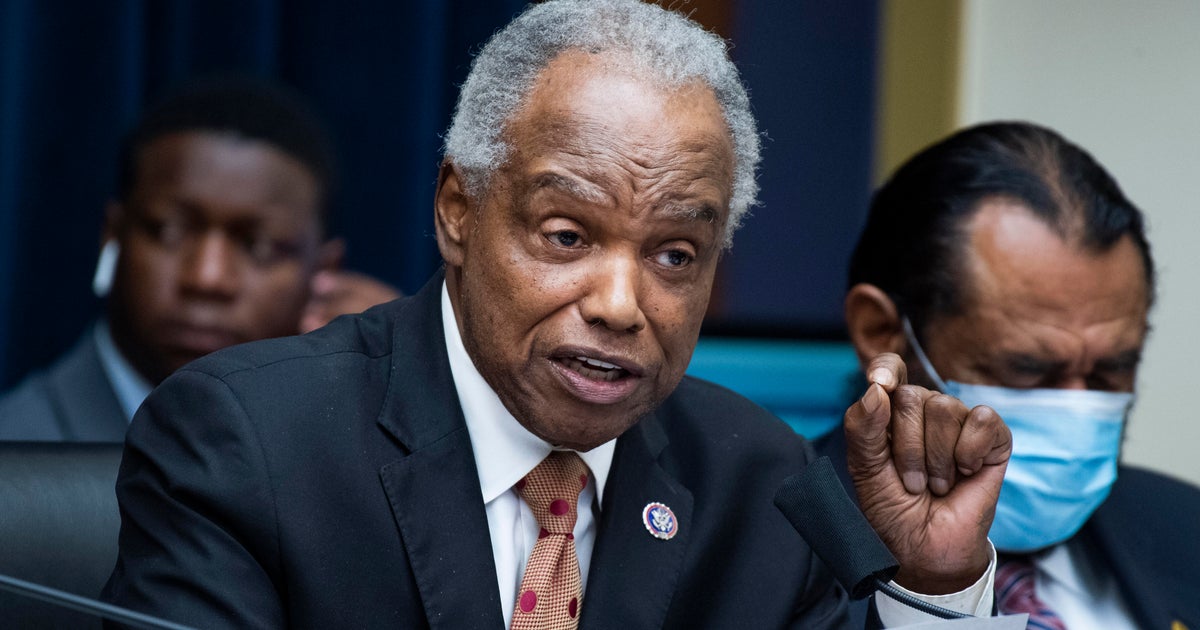
State Rep. Kaohly Vang Her and scientist Yan Chen are challenging incumbent Mayor Melvin Carter, who is seeking a third term after eight years marked by the aftermath of the murder of George Floyd, the COVID-19 pandemic and recently a significant cyber attack.
MPR News hosted the roughly 50-minute debate between the three contenders at its headquarters downtown, a core part of the city that has struggled to rebound and is a focus of improvement.
"In the midst of those things, I do think that we've made significant progress in our city," Carter said. "And here we are today, celebrating the fact that we've seen double digit decreases in violent crime, in every category of violent crime, and that we have over a billion dollars in economic development underway."
Her said she believes economic development in St. Paul has stalled under Carter's leadership and that rent control, a measure approved by voters four years ago, is in part to blame. The City Council has made changes recently to provide for exceptions for newer buildings.
"I've been a huge proponent of tenant protections, but rent control itself decreases our ability for businesses, for developers, to want to develop in the city of St. Paul," said Her, who once worked in Carter's office. "These are issues that we literally created policies which said that we would not make ourselves as competitive as other cities."
The three sparred over some capital projects aimed at revitalization, like upgrades to the Grand Casino Arena complex — formerly Xcel Energy Center — and the Saint Paul River Balcony proposal, a 1.5-mile promenade along the Mississippi River.
Her worried that plans for the proposal don't account for flooding risks to that area, which mean costly repairs. She also noted other city infrastructure that needs investment and deferred maintenance in libraries and parks should be a priority.
"It is our job to ask questions. To sit here and say that we can just bring up these great ideas and not have to ask the hard questions, that's our job to be responsible with taxpayers dollars," she said.
Carter made the case that declining to make these sorts of investments is sticking to the status quo.
"We have to do the Wayne Gretzky-ism, skate to where the puck is going. Cities that have parks, cities that have amenities, cities that have good quality infrastructure, and cities that invest to keep that infrastructure on the front end are going to be the cities that compete and succeed in the future. We ought to be there," he said.
The high cost of living hits families across Minnesota hard and homeowners in the second largest city would be staring down a steep property tax increase between city and county proposals.
Carter said it underscores that downtown investment is crucial, noting the many properties that are exempt from taxes like universities and churches. The city's largest property owner died last year.
"When we collect less dollars downtown, what does that do to our own residential property taxes, it pushes them up," he said.
Chen said she would work to find efficiencies in programs in an effort to reduce the tax burden on residents. She noted that some were added or grew in the pandemic with federal aid money.
"Have we asked our departments, what was the old program doing? Are they effective? We cannot just increase our budget through the COVID time and without looking at the accountability part," she said.
Carter touted crime dropping under his watch as mayor, but Her and Chen said there are still issues, like drug addiction, that make people feel unsafe.
"There are many, many people in our city who do not feel safe when we think about violent crime as if that is all crime encompasses. It's just not true," Her said.
"If we don't know how to learn how to rehabilitating people, we will never solve the crime issue," Chen said.
Carter and Her said they supported the school referendum that would increase the operating levy to rake in $37 million in additional dollars for St. Paul Public Schools every year. For taxpayers with a $289,200 home, they will see a $309 annual increase in property taxes if the measure is approved, according to a city estimate.
Chen will not support the ballot measure.
"It's very simple. Basically, we haven't looked at our school system. Are they working the way they can deliver performance?" she said, explaining her "no" vote.
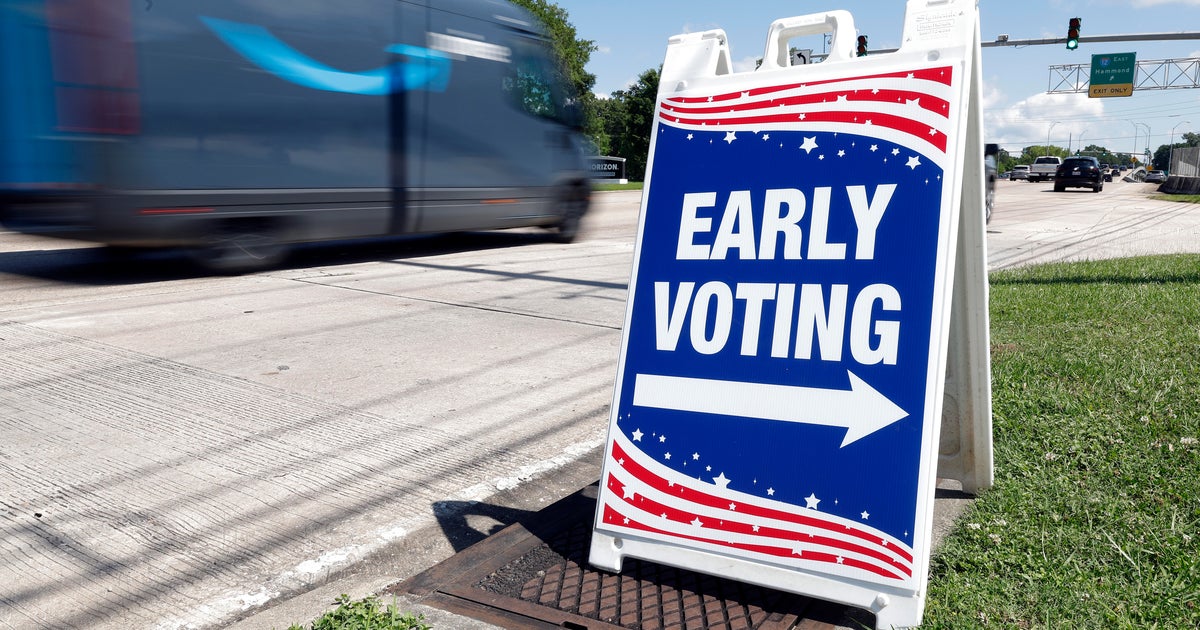
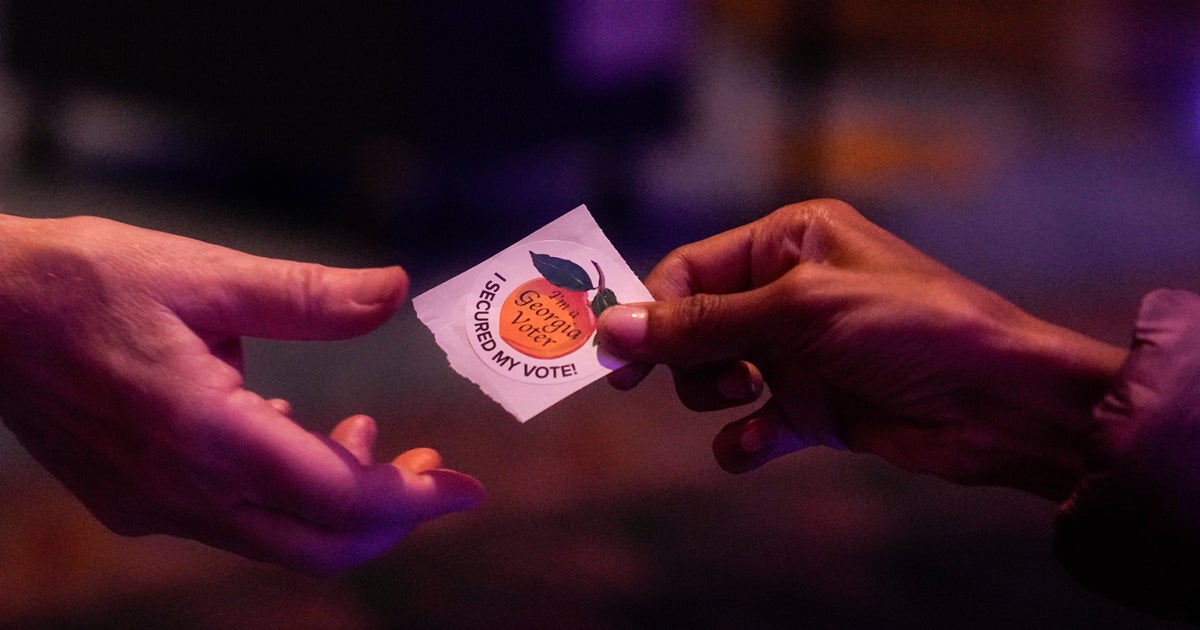
Whoever wins in ranked choice voting will only serve three years as St. Paul shifts its municipal elections to even-numbered presidential election years starting in 2028.