Effort to stop evictions linked to Operation Metro Surge could cost $32 million, philanthropic organization says

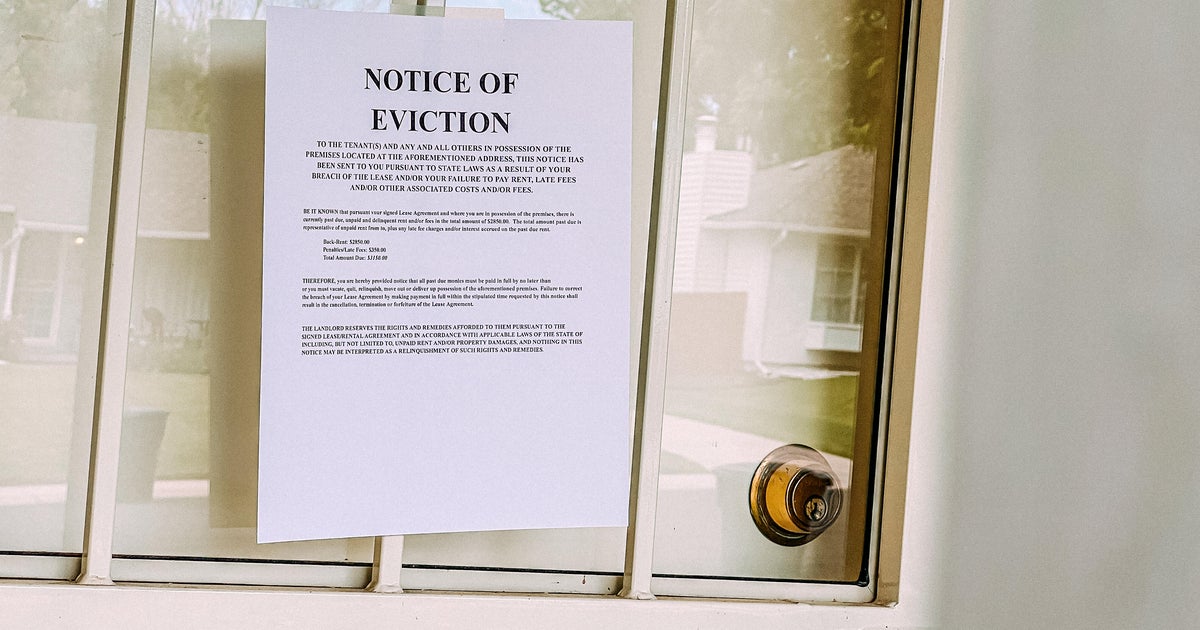
The effort to stop evictions linked to Operation Metro Surge could cost about $32 million, according to the philanthropic organization pledging about half of that amount in an effort to help.
John Wilson, president of the Wilson Foundation, said he tabulated the $32 million figure once he started hearing from local neighborhood groups across the Twin Cities metro. From Minneapolis, to Columbia Heights to Shakopee, Wilson said that it would take about that much money to help people fully pay rent that they still owe from February through the month of June.
The problem, at its core, is that people have been afraid to leave their homes to go to work as a result of the ICE surge. A woman from Ecuador is in that exact situation, worried about keeping her 10-month-old and 15-year-old daughters safe in their south Minneapolis apartment.
Wishing to go by Maria, she described how ICE detained her husband at a routine monthly check-in at the Whipple Federal Building in February. She said that he has a work permit, a state driver's license and has always followed federal instructions since the couple crossed the southern border about three years ago. Based on the name and date of birth Maria gave, WCCO did not find evidence that he had committed a crime in Minnesota.
"They won't let him come back to me," Maria said.
Her husband was their primary provider, the only one with an income, as Maria recovered from a C-section. Since his detainment, Maria said that she's been terrified of leaving the home. If she were detained, it would mean her infant and teenage daughters would be on their own; going back to Ecuador meant the prospect of facing a group of criminals who she said extorted their business.
"When I see those big black cars, my legs start shaking," Maria said.
Maria was able to pay rent in March thanks to fundraising efforts by the South High School community. Similar grassroots efforts are preventing evictions in neighborhoods throughout the cities and their suburbs, but organizers say that the need is exceeding the money on hand by a large margin.
In Minneapolis, Mayor Jacob Frey vetoed a measure approved by the City Council that would have required landlords to give tenants 60 days notice ahead of an eviction instead of the current 30 days. Frey and large nonprofits said that this could make the problem worse by effectively delaying an inevitable eviction; he instead proposed adding an additional $1 million in emergency rental assistance from the city.
City Councilor Jason Chavez said that progressives on the council will propose $2.8 million in assistance. Wilson and his foundation have indicated that they will match whatever figure the city government settles on.