Conservative donors injected record cash into the midterms. It didn't pay off.

The 2026 midterm election will go down as the most expensive midterms ever, with AdImpact putting the cost of federal races alone at $11.87 billion.
But from the top of the country to the bottom, an unusual trend occurred: money didn't necessarily matter.
"We learned you can't buy a governor's seat when the people of Minnesota vote," said governor-elect and U.S. Sen. Amy Klobuchar.
Democrats won the night despite Republicans winning the money game. According to a New York Times analysis, the top five donors in the U.S. for this race were all Republicans.
Right behind trillionaire Elon Musk was a Wisconsin couple, the Uihleins, known for their shipping business Uline. They shared that wealth with a PAC that paid for ads for GOP state House Speaker and gubernatorial candidate Lisa Demuth. The ads were not successful.
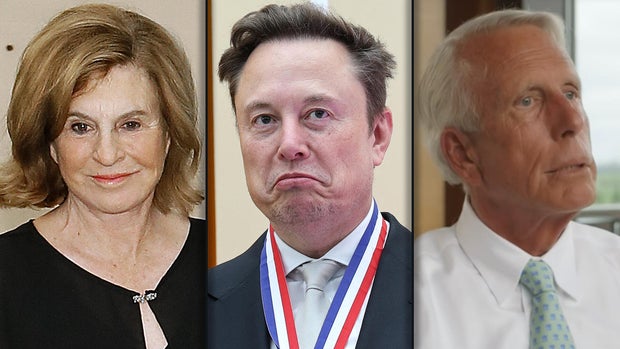
"We learned that a Packers fan cannot buy our governor's seat, even if that guy is a billionaire," Klobuchar said.
And in the Senate race, Republican Michele Tafoya had the most donations, but Democrat Peggy Flanagan got the most votes. It's a trend seen around the country, like in Texas, where Musk spent $168 million.
"We just sent a message to every billionaire mega donor, every trillionaire mega donor, every corrupt defender of this broken political system in this state, in this country: power belongs to the people," said Democratic Texas senator-elect James Talarico.
But that's not usually the case. In a 2024 study, researchers tracked thousands of House races back to the year 2000. They found "a significant relationship between campaign expenditure, campaign contributions and winning probability."
Basically, the almighty dollar usually wins — but not always.