Minnesota Legislature aims to tackle surveillance pricing

Minnesota lawmakers and grocery store workers are joining forces to push for legislation to tackle surveillance pricing.
Surveillance pricing is when companies use data collected on you to set individualized pricing for consumers. Prices can change with the press of a button.
Walmart is one of the companies that have rolled out electronic shelf labeling.
A spokesperson for the company said "these labels are just a modern tool to help our associates do their jobs better, but the price you see is the same for everyone in any given store."
Lawmakers and unions alike say they're worried it will not only make things more expensive, but take away jobs. It could also lead to more personal information being stored, they add.
"Prices aren't going to improve. The shopping experience isn't going to improve, data privacy isn't going to improve. Workers pay isn't going to improve, customer service isn't going to improve. The only thing that's going to improve is the bottom line," said Rena Wong, president of UFCW 663.
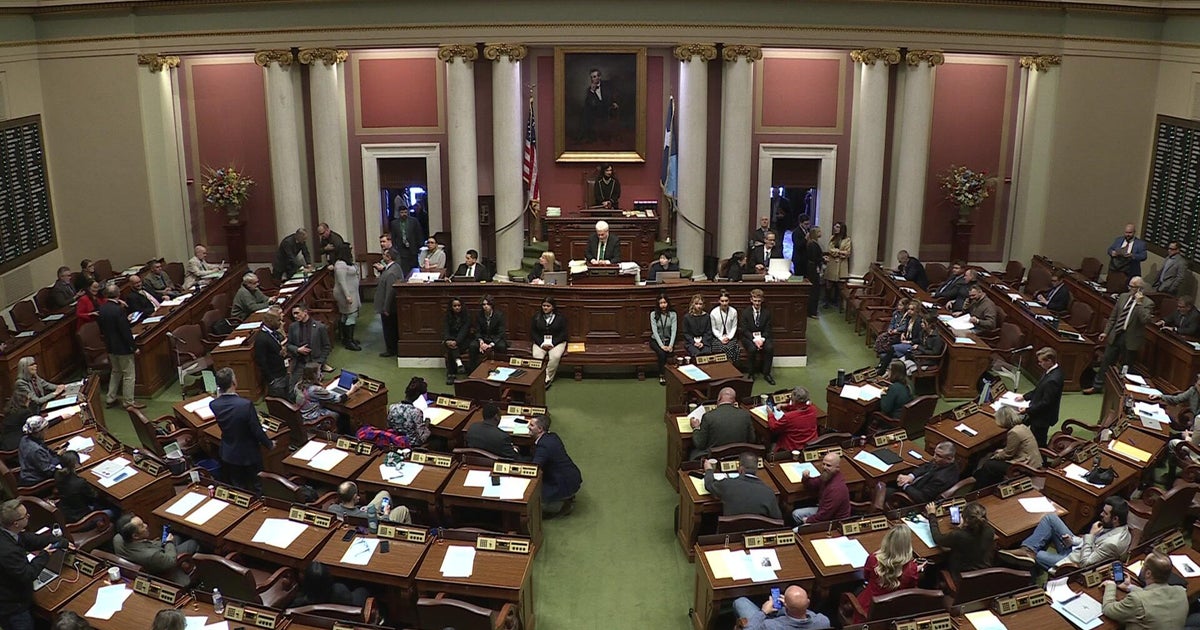
Lawmakers are trying to work language to stop predatory pricing into several bills at the Minnesota Legislature this session. One stalled in a committee Wednesday morning.
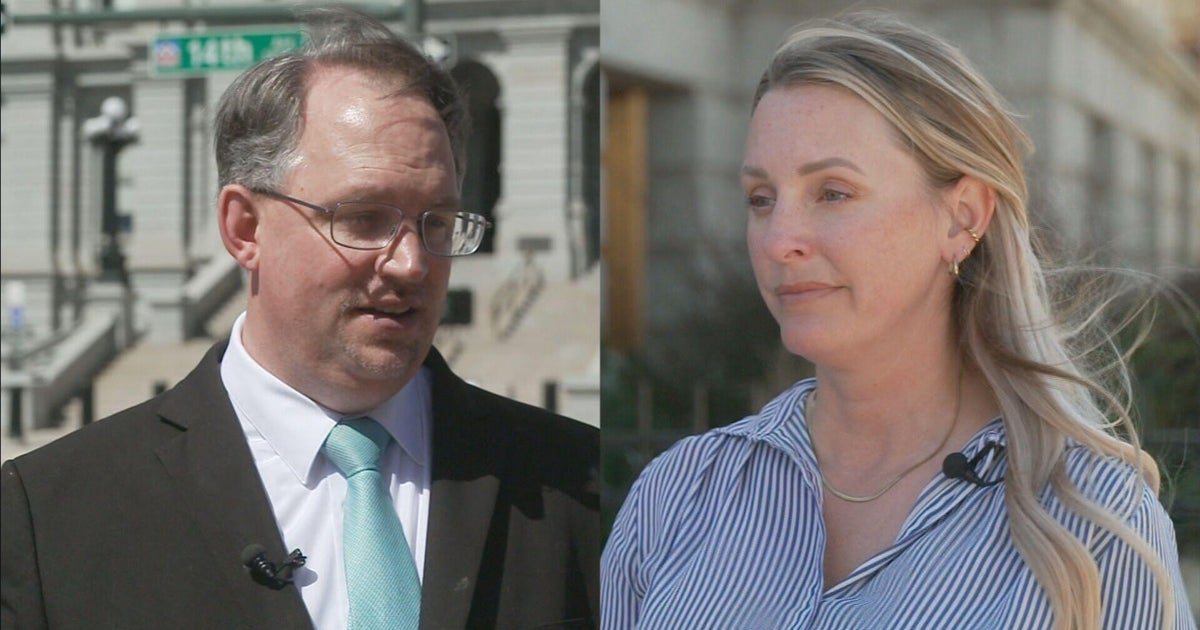
"If my neighbor and I go to the same store on the same day and stand in the same aisle, the bananas should cost the same," said DFL Sen. Erin Murphy. "If your business model tries to make the most out of people who can afford it the least — something is broken. If the algorithm tells you to maximize the profit off a poor mom buying diapers, turn the algorithm off or we will."
With the support of union workers, DFL leaders say they hope the tactics don't come to Minnesota any time soon.
With a divided Minnesota Legislature, any bill is going to need both DFL and GOP support.