Minnesota bill would cap what resellers can charge for concert tickets

Some Minnesota lawmakers want ticket resellers to face the music for charging exorbitant prices on the secondary market.
A proposal that advanced out of the House Commerce Committee Wednesday would cap the cost of resold tickets at no more than 115% of their original value and require resellers to disclose what they initially paid for it. It would also empower Minnesotans impacted by any violations to sue.
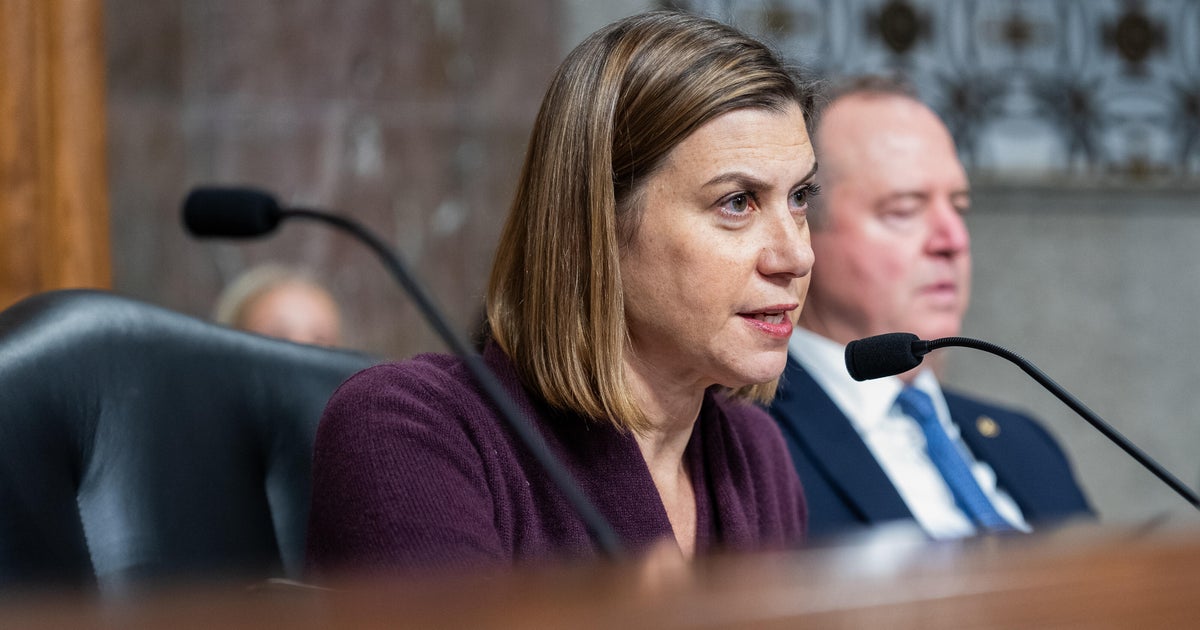
"This is really about transparency in the market and making sure that we know exactly what we're getting," said Rep. Erin Koegel, a Democrat from Spring Lake Park who is authoring the legislation, which has a Republican co-sponsor in Rep. Dave Baker.
Koegel explained the bill builds off another consumer protection law the Legislature approved a few years ago that set some rules for resellers, banned bots from snatching up tickets, and required all-in pricing so there are not any hidden fees that popped up at check out. Those changes stemmed from the fan frenzy in late 2022 to purchase tickets to Taylor Swift's Eras Tour.
There are exceptions to the price cap for sports games and Broadway shows. But concerts would fall under the proposed change, which has the support of First Avenue, one of the state's most iconic music venues.
Adrianna Korich-Bruce, senior director of ticketing at First Avenue, said she witnesses the fans buying "unnecessarily marke-up" tickets every day—even when there are some available through the venue's official channels. But she explained First Avenue is powerless to change that without the Legislature's help.
"I've spent my life attending concerts and supporting indie venues and artists, and frankly, I'm very concerned with the sustainability of this industry and this art form if we do not get a handle on the price gouging and the deception that is happening to consumers on the secondary ticket market," she said.
Stub Hub, an online resale platform, pushed back on the proposal Wednesday, saying it would have unintended consequences. Price caps, while well-intentioned, misunderstand how ticket pricing works in the modern era with "dynamic pricing," in which value of the ticket fluctuates based on demand well before the secondary market, said Shaun Chapman, a representative for the company.
"Instead of protecting consumers, price controls will push ticket sales off of transparent, regulated marketplaces and into unregulated, illicit spaces where fraud is far more likely," Chapman told the committee.
Koegel shared a story of trying to get tickets to see a band with her friend at Seventh Street Entry, a First Avenue-affiliated venue next door, but tickets were $231 so they decided not to go. Only later did they learn the original price of the ticket was $18.
"That's kind of what we're dealing with here," she said.
Other states have approved ticket transparency policies in recent years, but only Maine has approved a price cap for re-sale, though other states have introduced similar measures.