How does facial recognition technology work and where is it being used?
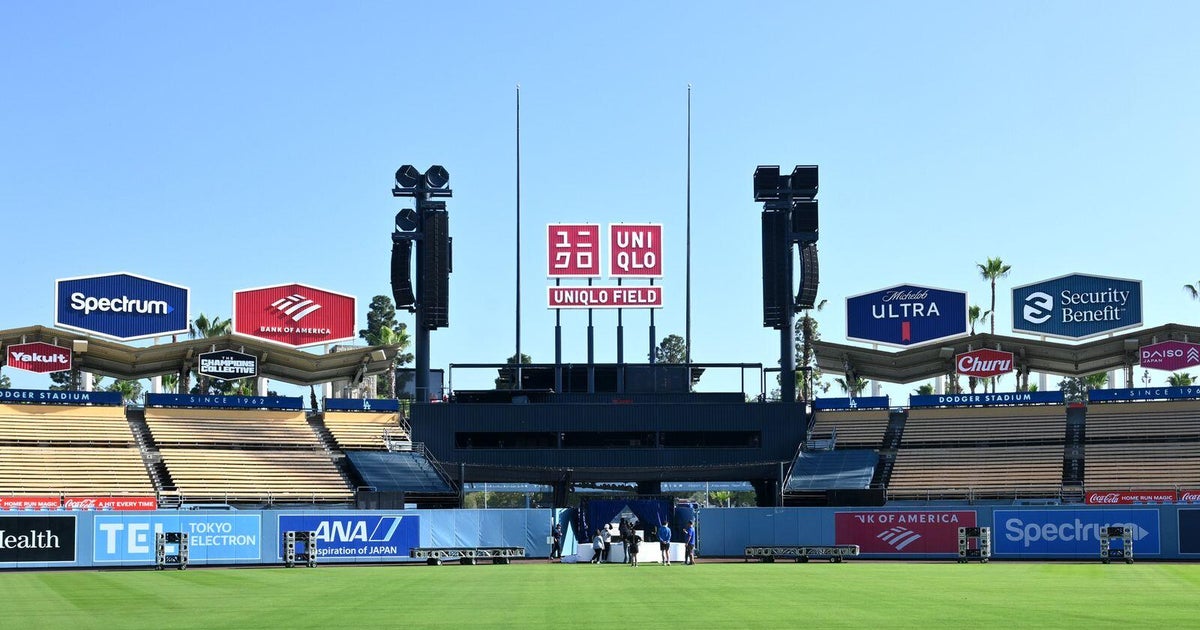
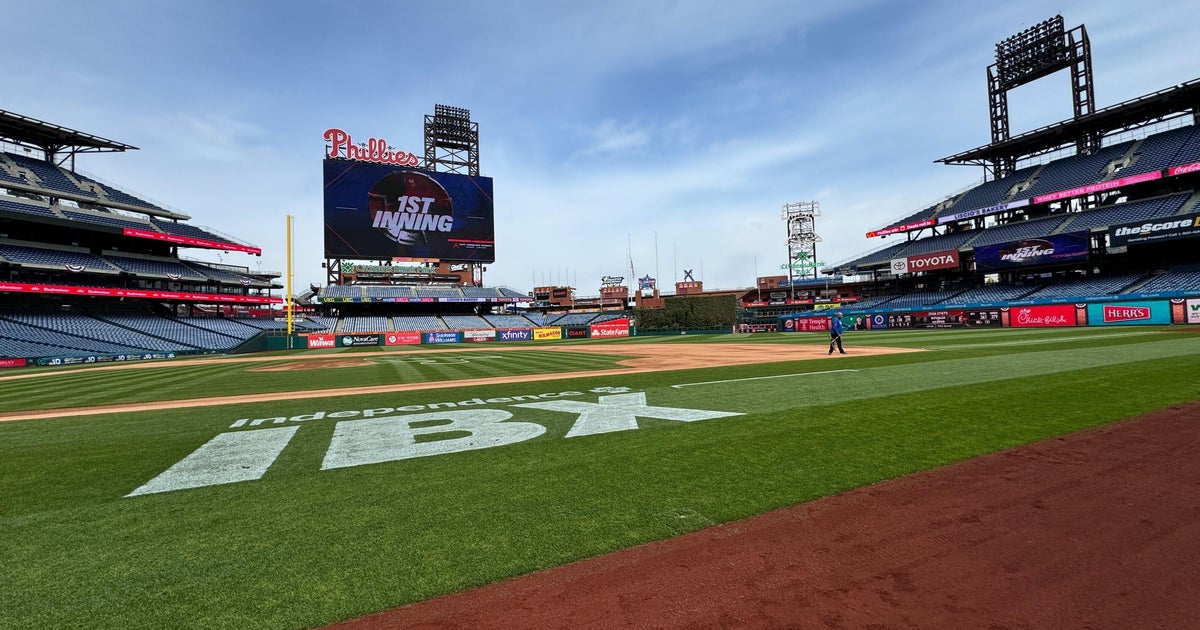
Artificial intelligence is catching on with America's pastime, something thousands of Twins fans learned at Target Field over the weekend.
Facial recognition helped make their entry quick and more secure. So, how does the technology work? And where else is it being used?
Ballpark greetings fans are used to hearing while lining up to enter Target Field now come with a technological twist.
"If you have signed up for Go Ahead Entry, this is your line," one usher announced.
There are now cameras scanning faces instead of tickets through MLB's new Go Ahead Entry system, powered by AI.
"The accuracy of these recognition models have gone up significantly," said Dr. Manjeet Rege, director of the Center for Applied Artificial Intelligence at the University of St. Thomas. "The one that is being used in Go Ahead lanes is using NEC's NeoFace technology that has an accuracy of 99.85%."
To use Go Ahead Entry, fans upload a selfie to MLB's Ballpark app. Their picture becomes a numerical token that is then compared to the face cameras just analyzed. The selfie is never saved, just the numerical information it created.
Each person's face is unique, so the software maps dozens of positions on a person's face. It includes characteristics like where the ear lobe falls, the width of a nose or the mouth, the distance between the eyes and the position of the corner of the eyes.
How is the facial recognition technology working to determine who it is?
"The first thing is recognizing where the object, in this case the person, is, and then narrowing it down to the face," Rege said.
It then looks for unique biometrics, sort of like a facial fingerprint. That could include the distance between your eyes, skin color, or nose and lip shape.
"All of that combined together … we end up having a numerical (token)," he said.
This method is more secure than a standard ticket verification process and it has to do with the selfie image and registration through the Ballpark app.
"You are doing a kind of pre-screening beforehand," Rege said.
Since the tickets are attached only to the ticketholder — the customer using the Ballpark app — it can eliminate fraud from a stolen ticket.
Why is trust important as the use of facial recognition expands?
"Trust is extremely important because at the end of the day, people's faces are getting scanned," he said.
Concerns that pictures could be stored or be incorrectly identified stand out. Studies have shown that facial recognition is less accurate for people of color.
But Rege feels recent improvements to AI algorithms have reduced issues of bias, including for Go Ahead entry.
Where else is this technology being used?
"Every time you look at your phone, the phone unlocks itself," Rege said as he commented about Face ID locks for iPhones.
It's also being implemented at airports, with some Delta Airlines customers using it to quickly navigate security checkpoints. The Mall of America has cameras constantly scanning faces looking for potential threats, like people who are banned or wanted by police.
As for the next steps for this technology, Rege said facial recognition can be used when shopping. Instead of swiping a credit card, the technology could scan your face and pay with a card on file connected to your numerical token.
It could find its way into cars. A driver could have all their preferences activated — seat position, music, air temperature — upon their face getting scanned once they're behind the wheel.
"With the higher accuracy, there's going to be huge other application areas, as well," Rege said.
The Twins are the ninth MLB team to use Go Ahead Entry.