Falcon Heights considers charging for parking during Minnesota State Fair
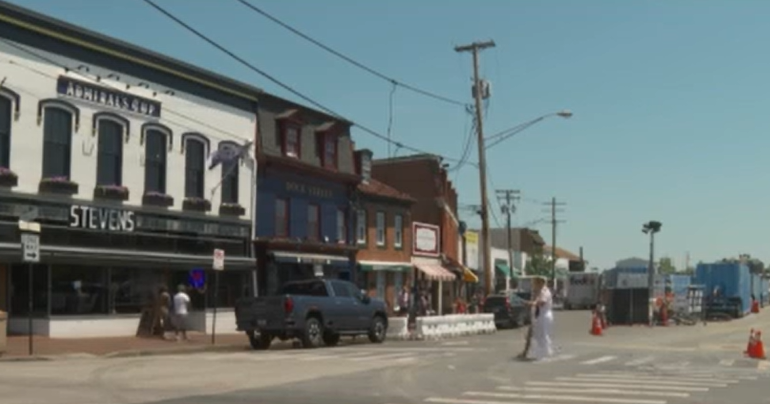
A big change could impact your visit to the Minnesota State Fair this summer. The city of Falcon Heights is considering charging for street parking in certain areas near the fairgrounds.
With the fair's growing attendance, the demand for parking has also increased, turning surrounding neighborhoods into crowded parking lots. While some residents support the idea, others are concerned about the potential costs and impacts.
"Cars start parking up this way, starting probably around 6:30 a.m., all the way up to Hamline," said Fawks Char, who lives in Falcon Heights. "It's very busy."
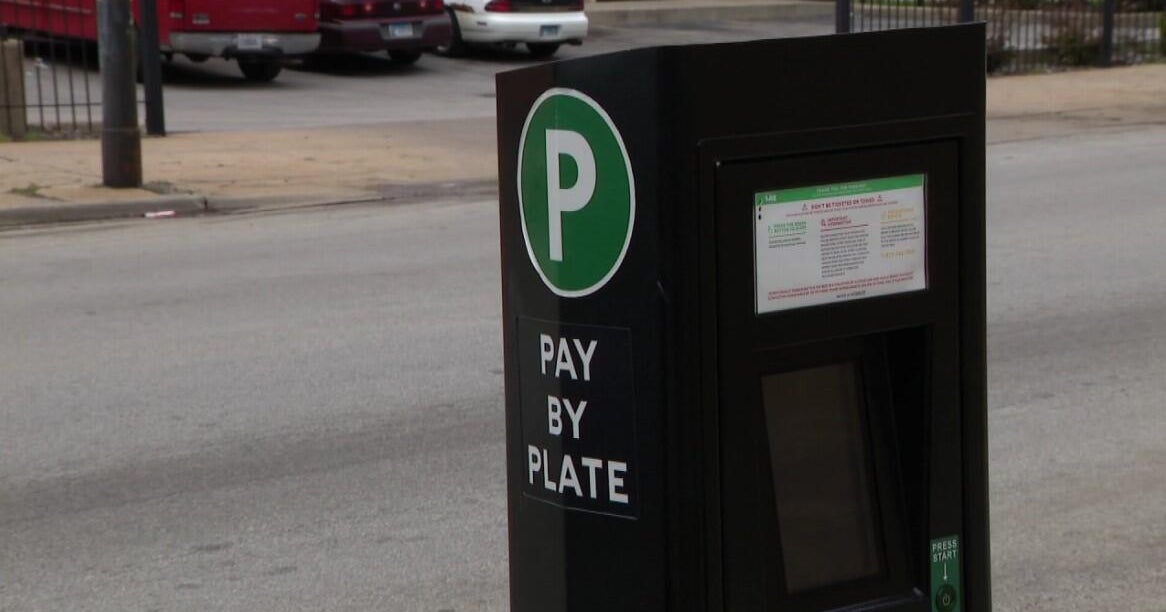
To address this growing issue, the Falcon Heights City Council is considering charging for parking on certain streets using electronic meters through ParkMobile.
The city's State Fair Task Force said that in 2024, they came to the realization that the State Fair's support is very limited, and the city needs a new source of revenue to manage the influx of visitors.
The State Fair Task Force has proposed a $25 per day parking fee.
If implemented, it is expected to generate between $100,000 and $200,000 each year.
The revenue would be used to fund infrastructure improvements and additional resources needed during the fair, according to the city.
"$100,000 to $200,000 a year doesn't seem like much," one resident said during a public comment portion of a meeting last week.
While the plan has the potential to generate money, some residents worry it could add to the costs associated with attending the fair.
"Being a welcoming city means helping people afford to go to the fair," said another resident. "It's ridiculously expensive."
Under the current proposal, each household within the fee zone would receive one parking pass.
However, for some residents, one pass may not be enough.
"Family comes during the fair and one parking spot just doesn't do it for me," said a resident.
Details about the distribution of resident passes and the cost of parking meters are still being worked out by the city, with ongoing input from residents.
Sue Schoenecker, who lives just a few blocks away in Saint Paul, a city where parking is free, is concerned that the new fees could push more cars into her neighborhood.
"I definitely think more cars will be trying to park in our area," said Schoenecker. "It's already busy, so it's going to be problematic."
The city is still in the process of finalizing the parking program's details and will continue to gather feedback from residents.