Federal prosecutors dropped charges against a woman in connection with a protest at a St. Paul church. Here's why.

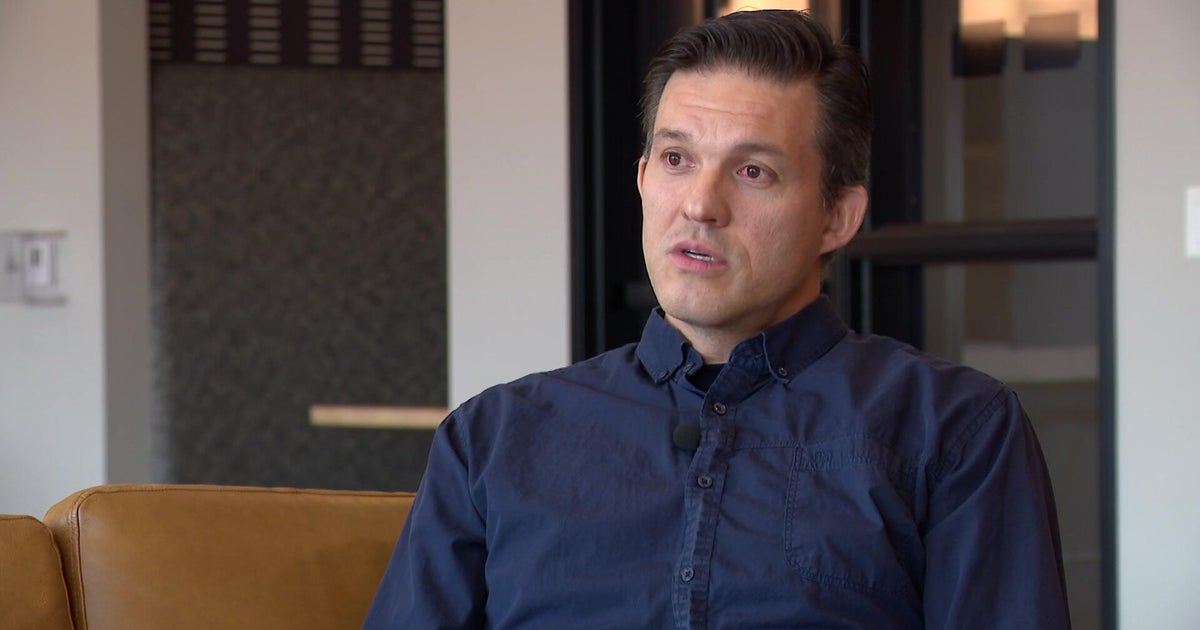
A Minnesota woman is speaking out through her attorney after being charged in connection with a protest at Cities Church in St. Paul despite never being at the house of worship.
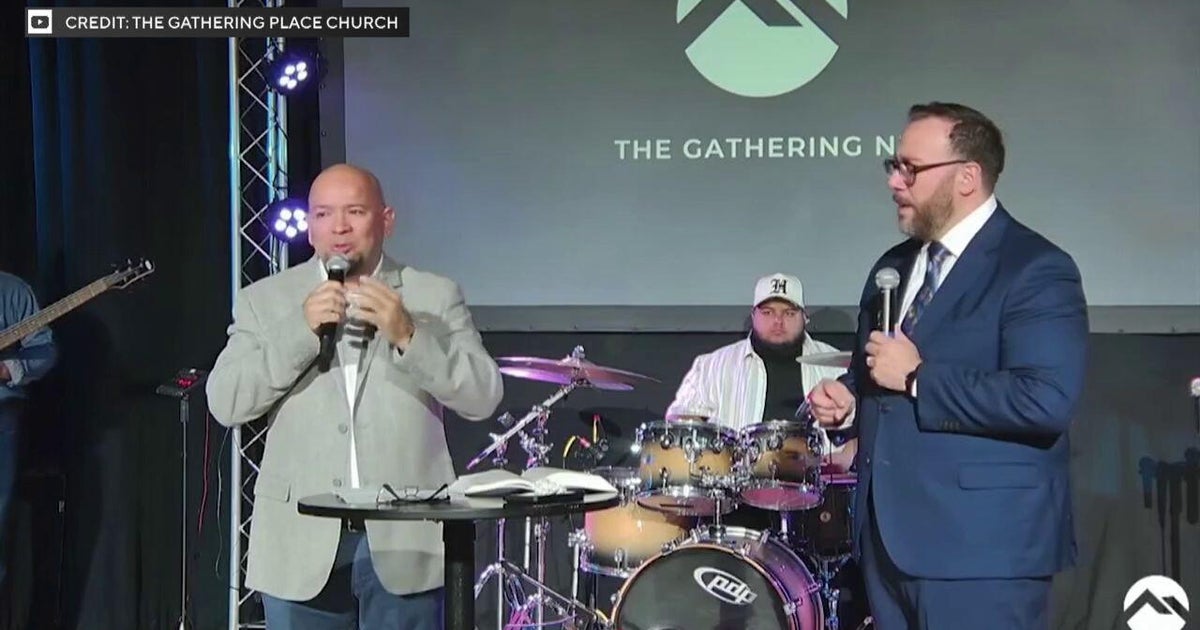
Protesters stormed into the church in January to confront the pastor, who also leads U.S. Immigration and Customs Enforcement operations in St. Paul.
More than 30 people are now facing federal charges. But federal prosecutors on Friday dropped the charges for Heather Lewis . Attorney Brock Hunter said Lewis, his client, was wrongly swept up in this situation and that this was a case of mistaken identity.
"Just an innocent bystander who got pulled into this," Hunter said.
According to Hunter, federal prosecutors relied heavily on a geofence warrant. With a judge's order, they allow law enforcement to gather data revealing cellphones and other devices that were present in a certain place at a certain time. Law enforcement can request data related to crime scenes — or more expansive areas — and work backwards to look for suspects.
That data placed her in the parking lot of a Cub Foods that investigators say protesters staged at before heading to the church.
"Obviously, having [a] geofence warrant identifies someone's cellphone as being in the vicinity of where crime was committed does not mean they were participating in committing that crime," Hunter said. "Ms. Lewis' case is a perfect example."
Hunter says Lewis was in the parking lot at the same time, picking up items she bought in an auction. He said he sent receipts confirming just that to prosecutors.
He also said Lewis was questioned for hours and investigators even showed her still images from cellphone video of a woman they believed to be her. Hunter added his client acknowledged there was a striking resemblance to her.
"I am glad this simple case of mistaken identity is finally coming to an end for me, and I am happy that my family no longer has to worry that I could be arrested again at any moment," Lewis said in a written statement. "This has been a stressful time for my family, and I am grateful to be able to move on and leave this experience behind me."
Amy Sweasy, a University of Minnesota professor and former Hennepin County prosecutor, says geofence warrants can be helpful, but they also come with real risks and, on their own, can never tell the full story.
"It's a good example of what could go wrong and why traditional law enforcement has to be very strong and go hand in hand with use of these warrants to try and prevent a mistake like this," she said.
Cases similar to Lewis's are adding to the growing debate about the constitutionality of a geofence warrant. The U.S. Supreme Court will hear a case in April.
In Minnesota, a group of bipartisan lawmakers proposed a bill to ban it except in emergency scenarios.