Karen refugees attending Bethel University reconnect with culture on transformative trip to Thailand

Bethel University Sophomore Htee Wah Moo doesn't remember much of her life in Thailand.
"I remember, like the school, and stuff like that," she said.
While her memories are few, she's not alone in her experience.
"A 6-year-old can't really remember that much," fellow Bethel sophomore Nay Seya said.
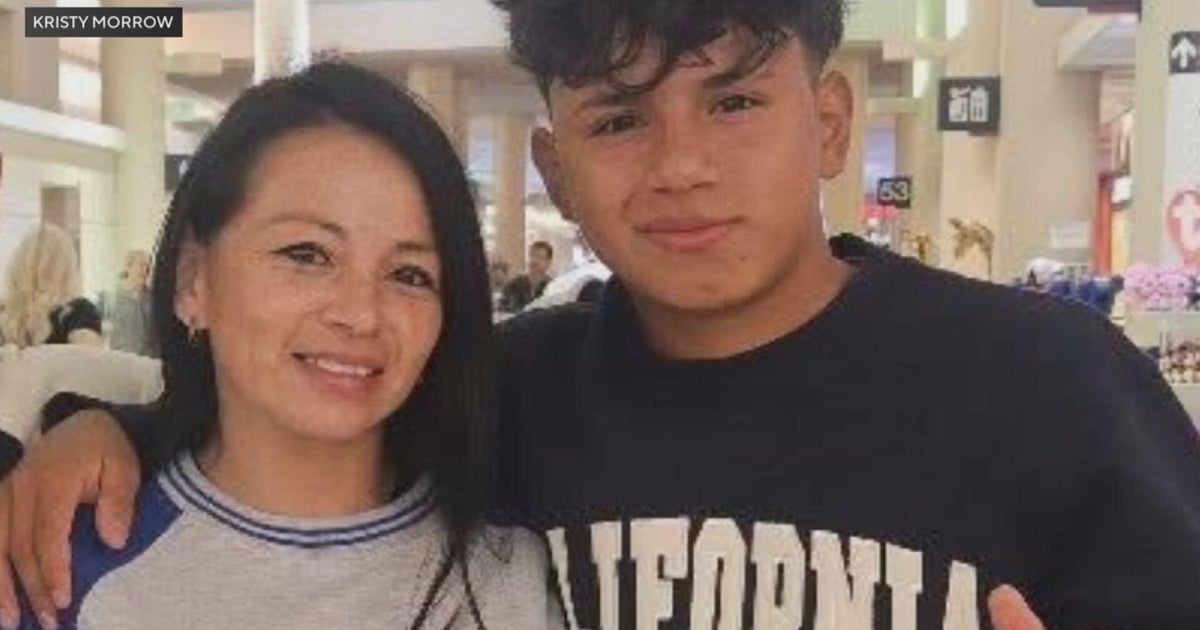
Wah Moo, Seya, Bethel senior Lulu Schwe and sophomore Shem Paw all spent their youngest years living in Thailand refugee camps before immigrating to the U.S. in the early 2000s. Their lives now intertwining as students at Bethel University.
St. Paul is home to one of the largest Karen communities in the U.S. Decades of militant rule and ongoing conflict in Burma have sent nearly 20,000 Karen people to resettle in the city since the early 2000s and likely even more after a violent coup in 2021.
"I guess it's still hard, kind of hard to, like, wrap my mind around it," Schwe said. "Because it's a really big conflict that's happening."
It's conflict the four students were able to experience up close once again with a month-long trip to Southeast Asia.
"It's interesting that we have to go around those to the other side of the world to learn about our neighbors here at St Paul, but that's exactly one of the goals," Bethel University communications professor Ripley Smith said.
Smith has taken students on this trip twice but says he's been a part of study abroad courses since he started teaching.
"We have so much that we can learn from other peoples and other cultures," Smith said.
From cooking traditional K'Nyaw dishes to working alongside students from the Thoo Mweh Khee Migrant Center, meeting people in refugee camps and conversing with a Karen general, the students were fully immersed into the culture and challenges Karen people face firsthand.
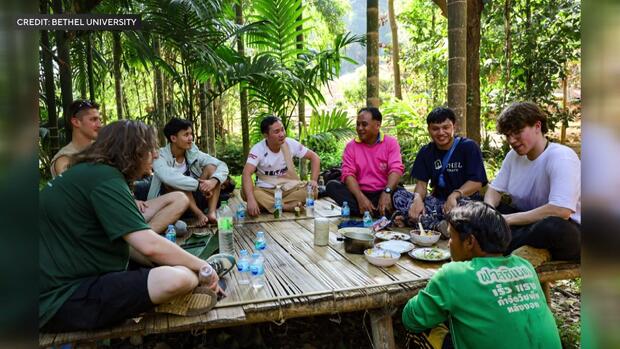
"When we learn from other people in other cultures, especially those that are persecuted and have very different life circumstances, it just it forces a reset in our own persons," Smith said.
It was a reset but also a reconnect.
"Coming to the U.S., like, at a young age, I just grew up, like, the American culture, so I didn't feel very connected to my culture," Paw said. "It was very impactful going back and connecting to my culture and seeing what I missed when I was younger."
To culture, heritage and even family. Paw and Wah Moo both met extended family members for the first time.
"It was weird at first because I never met them in person," Paw said. "It was only like, over the phone."
Perhaps what was most impactful was what they walked away from.
"Going back to Thailand, seeing the actual things, it makes me want to do more," Wah Moo said.
"If we don't pass down traditions like traditions die, cultures die that's how it dies," Seya said.
All four students are studying different majors but most say they want to do work that will positively impact the Karen people amid the conflict. One way they're doing that is through the Urban Village, which is a local organization that works to support continuing generations of Karen youth in the Twin Cities.