Family of teen killed in Robbinsdale seeks justice nearly 1 year after her death
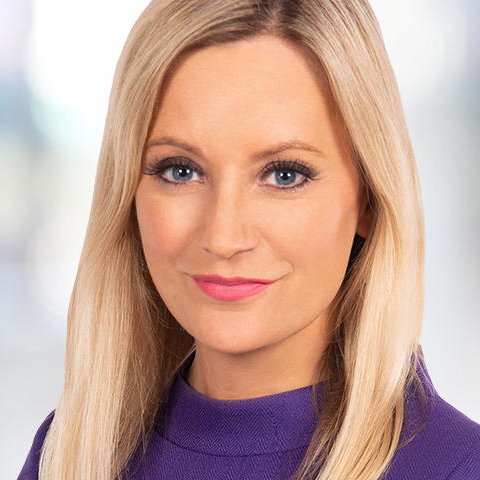
Monday at the Minnesota State Capitol in St. Paul: a moment to shine a light on missing and murdered Black women and girls.
Right now, there are more than 100 unsolved missing persons cases involving Black women in the state.
Families and leaders spoke in the rotunda, sharing resources and calling for action to address inequities that leave Black women and girls more vulnerable to harm. They're looking for solutions to uplift and protect them.
Minnesota made history three years ago when it established the nation's first Missing and Murdered Black Women and Girls Office. Now, it's helping real families — 11 and counting.
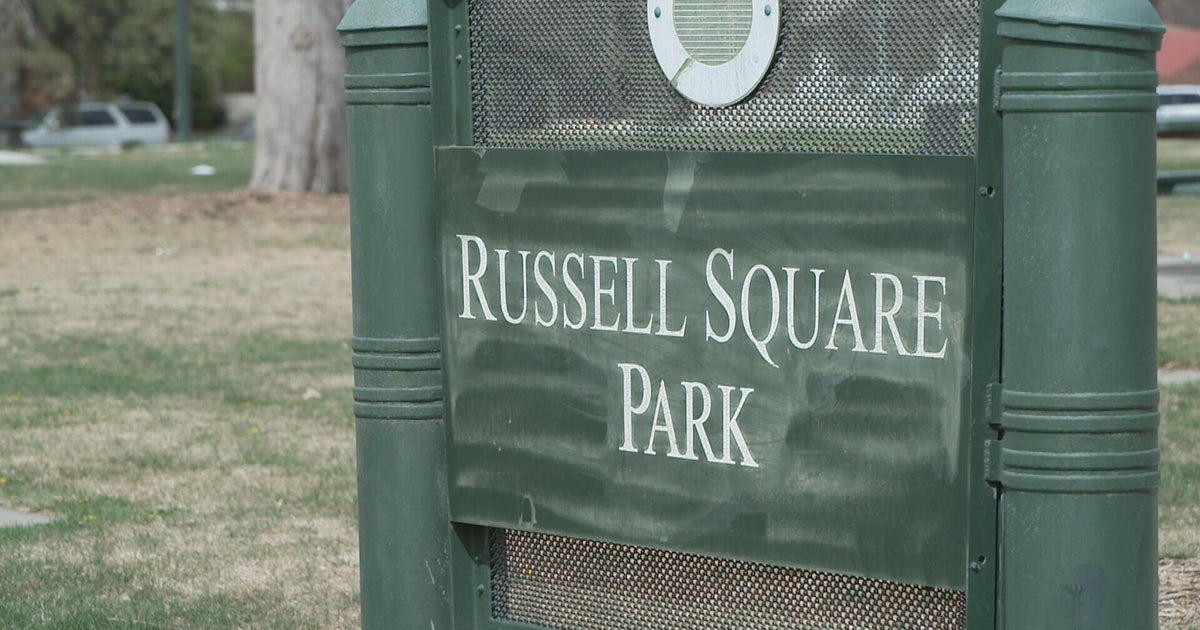
One of them is the family of Amarie Alowanle. Someone shot and killed the 19-year-old during a gathering at a Robbinsdale park last May. Her mom, Tatiana Kilgore, is pushing for answers.
"I believe she would have had a beautiful life. You know, because as parents, we create lives for our children in their future. They took away someone who was very valuable, who have never caused them harm. No matter what the situation or whatever was going on, it doesn't give people the right to take other people's lives," Kilgore said.
Alowanle's aunt, Maia Yang, says it pains them knowing her killer is still out there.
"Amarie was loved by all her friends and family. And that is why we are here today, and we will continue to fight for her justice," Yang said.
Part of that is working with the Missing and Murdered Black Women and Girls Office.
"It was just nice to have the support in the community, because there wasn't really a lot of community support. And I grew up here my whole life. I'm not afraid to say I'm disappointed and that part does make me angry," Kilgore said.
They say the office supported them in a gathering to keep Amarie's name alive and that the office helped secure a $10,000 reward for information.
"They are stepping in and they are trying to cover us in ways that we may not know. Again, we've never experienced this. They might have more resources or more experience in what we need to do moving forward," Yang said.
As of October, the office run by Director Kaleena Burkes has worked with 11 families. All with different circumstances.
"By the time a case makes it to our office, it is probably the most complex, severe type of case," Burkes said.
Burkes says data from her office shows police or government system misconduct or failures in a third of the cases.
"It tells me that families were right all along. Our office was not created necessarily to point fingers at any one part of the system. What I do think about our office is that we were here to address those gaps," Burkes said.
It's just part of why Burkes says she's honored to do this work.
"It's also showing this group of individuals, Black women and girls, that they matter, that we see them, that we're here for them," Burkes said.
Kilgore's goal in speaking about Alowanle is to create awareness.
"I just feel like I'm not going to be the last parent and I'm not the first parent," Kilgore said.
She also wants to bring her daughter's killer to justice.
"We know that people know something and we want people to speak up," Yang said.
"I want to try to figure out ways to make things better. That's what I'm concerned about. Like, how do we make this better? How do I get justice for my daughter? How can I use her story to help other kids?" Kilgore said.
If you know anything, reach out to Robbinsdale police or Crime Stoppers of Minnesota. You can also send video evidence here.