Should adults consider getting the measles vaccine?

Already this year, the U.S. has reported 5,412 measles cases. In 2025, there were 2,289. Those two years combined are more than the total from the previous 25 years (4,485 cases).
Now that measles is endemic again in the U.S., should adults consider getting the measles vaccine? WCCO spoke with Patsy Stinchfield, a nurse practitioner and the executive director of the Measles Collaborative.
"The number of adults with measles right now is unusual. It's 41% of all the cases across the country and more than half in Pennsylvania," Stinchfield said. "We are really paying attention to that and taking some action towards helping adults."
While the disease is often associated with children, adults can still get severely sick.
"The risk of severe complications, including pneumonia and brain inflammation, is highest in children under 5 and adults over 20," according to CIDRAP.
Stinchfield said the main reason adults are getting measles is that they are unvaccinated. Normally given to children in two doses, unvaccinated adults would typically need just one dose to get caught up.
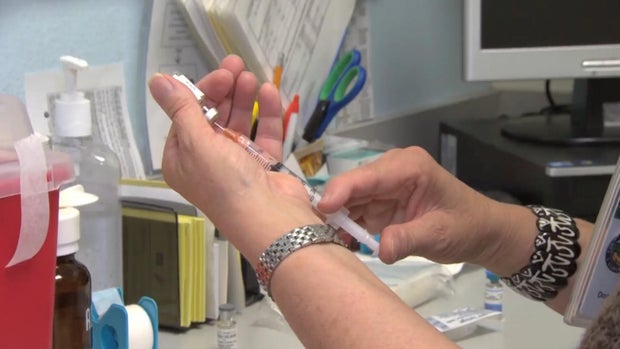
For all other adults, it comes down to your age, vaccine history and what you do for a living as to whether you'll need to get the shot.
Most adults might not need to do anything, specifically if they know they've received one or two doses of the MMR — measles, mumps, rubella — vaccine in their lifetime or took an antibody test that showed immune memory to measles.
Adults born before 1957 generally don't need to get vaccinated since most born before that year had measles and are immune. An extra dose of the vaccine is recommended if they're currently working in healthcare settings.
Adults born between 1963 and 1967 should get one dose of the vaccine because the measles vaccine administered during that specific era didn't guarantee life-long protection.
Stinchfield said if an adult is unsure of their vaccine records and wants protection from measles, getting one dose of the MMR vaccine won't harm them. There are a few exceptions. Women who are pregnant and people with severe immune deficiencies should not get the MMR vaccine.
One dose of the vaccine is 93% effective at preventing measles, while two doses are 97% effective.
"Those who need two doses are children, adolescents, people who work in healthcare, people who are around vulnerable individuals and people who would do a lot of international travel," Stinchfield said.
Doctors said increasing the country's vaccination rate can help curb the measles outbreaks and potentially put the U.S. back on track to once again consider the disease eliminated.
If you want to check your vaccine history, your state's health department should have options to do so on their website. Click here to check your record on the Minnesota Department of Health's website.