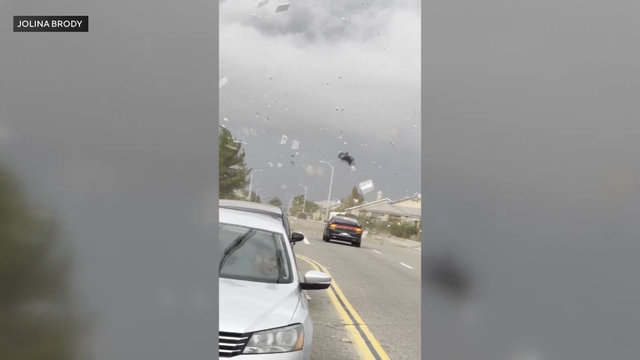
Video shows SpaceX Starship explosion at Texas launch site
A SpaceX Starship exploded at a launch site in Texas Wednesday night, bursting into a massive fireball.
Watch CBS News
A SpaceX Starship exploded at a launch site in Texas Wednesday night, bursting into a massive fireball.
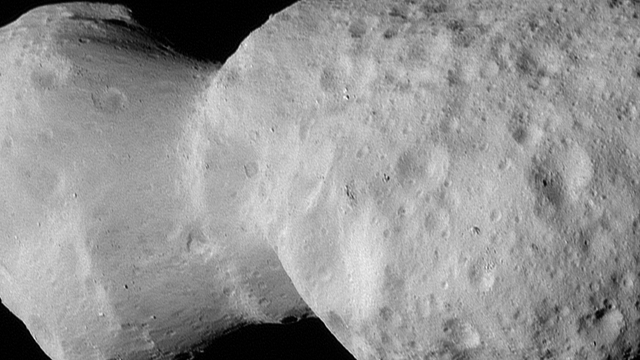
This asteroid is bigger than scientists anticipated, about 5 miles long and 2 miles wide at its widest point — resembling a deformed peanut.

"CBS Mornings" co-host Gayle King describes the peace and perspective of her roughly 10-minute spaceflight.

"CBS Mornings" Gayle King and the rest of Blue Origin's historic all-women spaceflight crew blasted off on Monday.

SpaceX's third all-civilian privately chartered flight was the first to carry a crew into polar orbit.

Starliner astronauts Butch Wilmore and Suni Williams joined Crew 9 commander Nick Hague and cosmonaut Alexander Gorbunov for their long-awaited return to Earth.

A total lunar eclipse will make the moon appear red across the Western Hemisphere during the "Blood Worm Moon" this week.
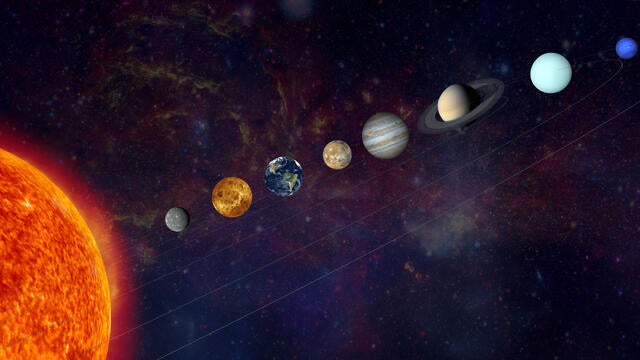
Mercury, Venus, Mars, Jupiter, Saturn, Neptune and Uranus could be visible, but not all can be seen by the naked eye.

By switching the next space station crew to a different ferry ship, the Starliner astronauts will get home a bit earlier than planned.

A NASA spacecraft has returned asteroid samples that hold not only the pristine building blocks for life but also the salty remains of an ancient water world.
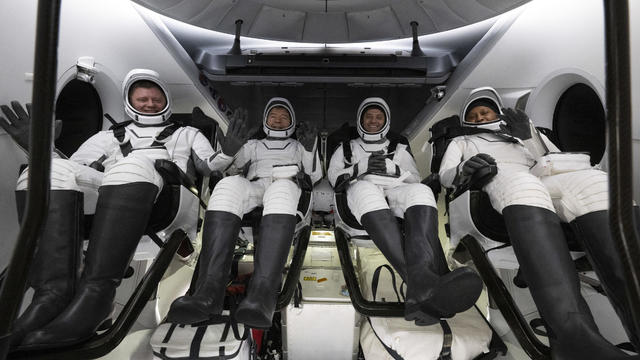
The Crew Dragon splashed down in the Gulf of Mexico a month later than planned, setting a SpaceX endurance record in the process.
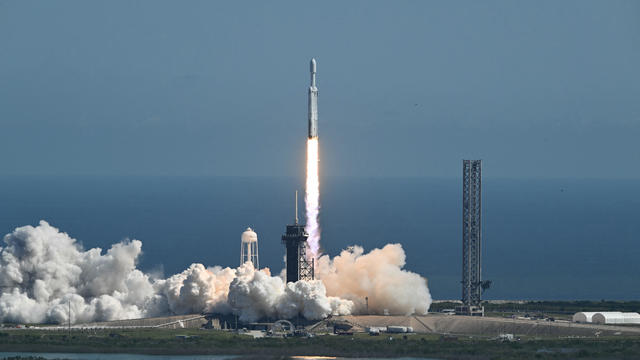
The ambitious mission won't actually look for life on Jupiter's moon Europa, but it should find out if the presumed ocean provides a habitable environment.
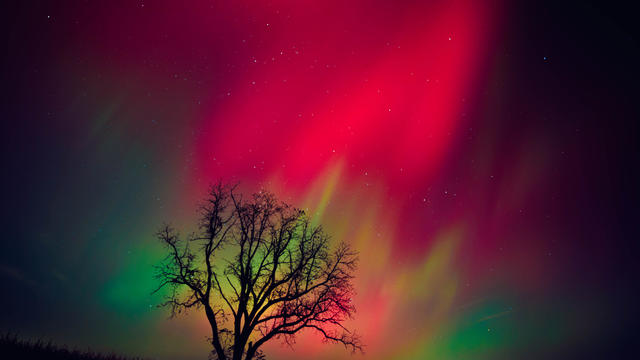
Maps show where the northern lights may be visible over the United States.
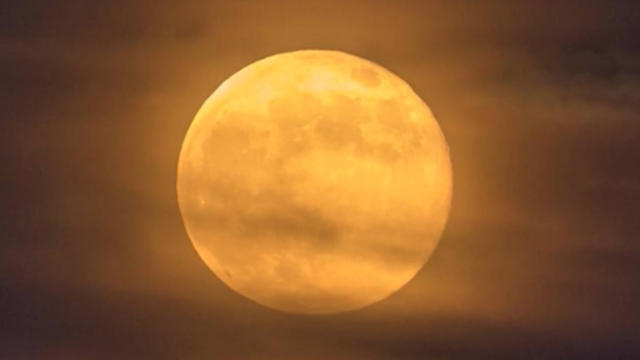
The September Harvest Moon will see a partial lunar eclipse, peaking the night of Tuesday, Sept. 17.

The landing mishap ended a string of 267 successful booster recoveries.
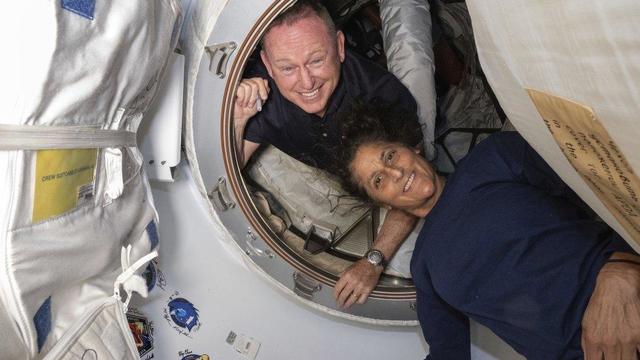
The Starliner's two-person crew now will stay in space until next February and return to Earth aboard a SpaceX Crew Dragon.
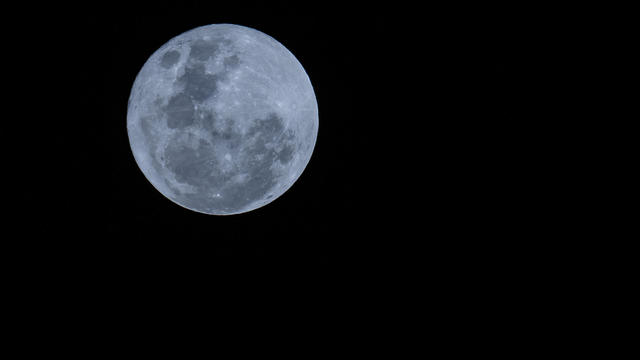
August's full moon, a rare blue moon and supermoon, is lighting up the night sky this week. Here's what time it peaks and where you should look.
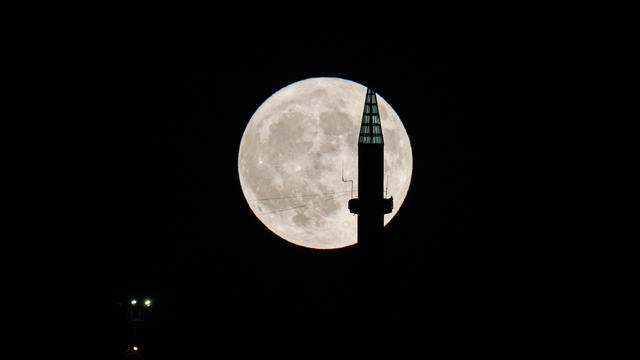
The first of 2024's four consecutive supermoons, the blue moon will reach peak illumination on Monday and will shine brightly through Wednesday.
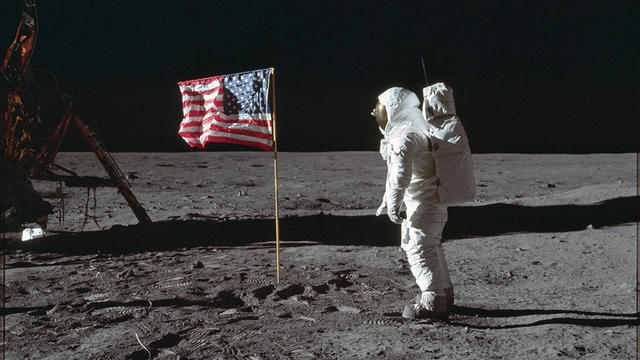
The cosmos is providing a full moon for the 55th anniversary of the first lunar landing this weekend, and plenty of other events honor Neil Armstrong and Buzz Aldrin's giant leap.
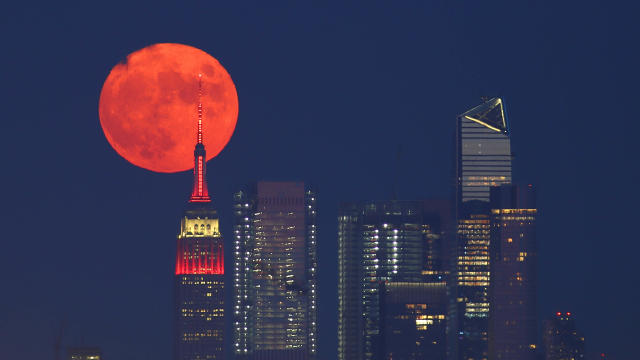
The full moon, also known as the Thunder Moon, will last three days, peaking on Sunday morning.
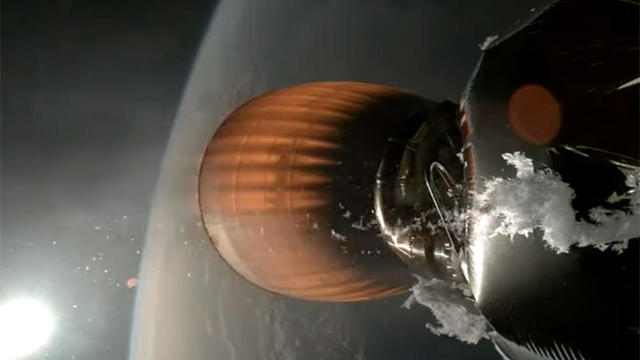
The engine failure blamed for stranding 20 Starlink satellites in a low, non-survivable orbit was caused by a liquid oxygen leak.

The Starliner's launch was picture-perfect, but additional helium leaks were detected, triggering another round of troubleshooting.
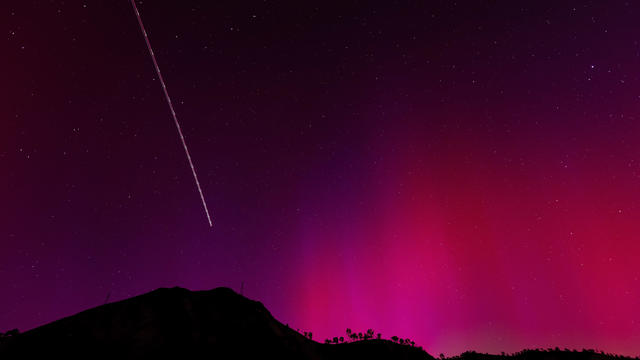
The forecasted conditions come after a weekend of jaw-dropping northern lights seen as far south as Florida and as "magnetically complex" sunspots bigger than Earth continue to emit solar flares.
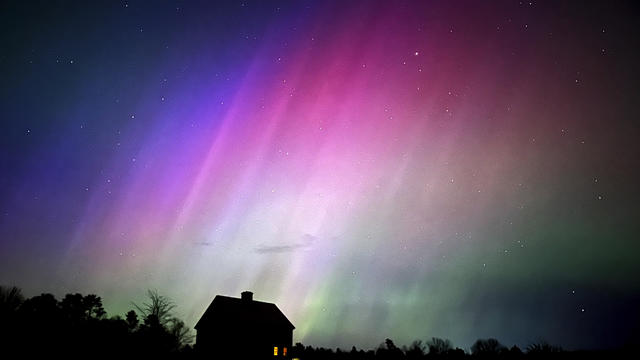
People from the United States and Canada to the United Kingdom, Poland, parts of China and Russia saw the northern lights this weekend.

The sunspot responsible for the odd series of strong solar flares is so big you can see it with your own eyes from Earth.